
Universidad Santiago de Compostela Facultade de Medicina e Odontoloxía

General Information
The Faculty of Medicine and Odontology at the University of Santiago de Compostela (USC) is one of the most historic and prestigious medical institutions in Spain. Founded in 1495, the university has been a beacon of knowledge for over 500 years, and its medical faculty is a cornerstone of the Campus Vida, a recognized International Campus of Excellence.
Located in the UNESCO World Heritage city of Santiago de Compostela, the faculty is the exclusive training ground for doctors and dentists in the region of Galicia.
Institutional Profile
Type: Public University.
Established: Medical studies began in 1648; Odontology was integrated in 1983.
Location: Rúa de San Francisco, s/n, 15782 Santiago de Compostela, Spain.
Language: Primarily Spanish and Galician. Full proficiency in Spanish is mandatory for clinical internships.
Recognition: Ranked among the top public universities in Spain, specifically noted for its high output of medical research and MIR (residency exam) success.
Campus Facilities
Campus & Infrastructure
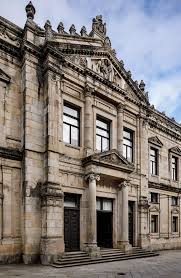
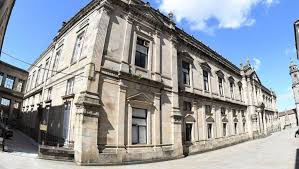
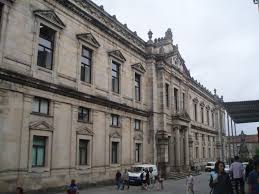
The faculty is housed in a grand, historic building near the famous Santiago Cathedral, yet it is equipped with cutting-edge medical technology.
Simulation Infrastructure: Includes advanced clinical skill labs where students practice everything from basic suturing to complex life-support scenarios before moving to hospital wards.
Research Institutes: The faculty is home to the IDIS (Health Research Institute of Santiago de Compostela), a world-class center focusing on genetics, oncology, and neurosciences.
Anatomical Museum: A historic collection of models and specimens that remains a vital teaching tool for first- and second-year students.
Dental Clinic: The faculty operates its own University Dental Clinic, where Odontology students provide care to the local community under expert supervision.
Hospital & Medical Facilities
Leading tertiary care hospital attached to the institution
Healthcare Pillar: Clinical Training
Clinical training at USC is managed through the University Hospital Complex of Santiago (CHUS), one of the most important healthcare systems in Spain.
Primary Teaching Hospital: Hospital Clínico Universitario de Santiago.
Associated Centers: Rotations also take place in the Hospital de Conxo and various specialized primary care centers across Galicia.
Clinical Integration: Students begin their hospital rotations in the 3rd year. The program emphasizes a "human-centered" approach, ensuring students interact with a wide diversity of clinical cases in a high-complexity setting.
Fee Structure
State University Affordability
Fee Structure and Costs (Estimated 2025)
As a public university in Galicia, tuition fees are among the most affordable in the country.
City Details
Hostel & Mess
Student Life: Housing & Dining
University Residences (Hostel):
Residencia Universitaria Monte da Condesa: Located on the South Campus, offering shared and single rooms.
Colexio Maior San Clemente: A historic residence in the city center, steps away from the medical faculty.
Private Flats: Santiago is known for being a "city of flats." Most students live in shared apartments in the Ensanche or Old Town. Rooms typically cost €200 – €350 per month.
Dining (Mess):
The university canteens offer high-quality, subsidized meals for approximately €6.00 – €7.50 for a full menu.
Many residences offer full board (3 meals/day) as part of their monthly fee.
Miscellaneous
Admissions & Entry Requirements
Cut-off Score: Admission is based on the Nota de Corte. For 2025, the score for Medicine at USC is expected to be above 13.0 out of 14.0.
UNEDasiss: International students with non-Spanish high school diplomas must process their credentials through the UNEDasiss portal.
PCE Exams: To be competitive, it is almost mandatory to take the Specific Competency Tests (PCE) in Biology and Chemistry.
Deadlines: Pre-registration for the 2025 academic year typically opens in late June.
Collage Images Gallery
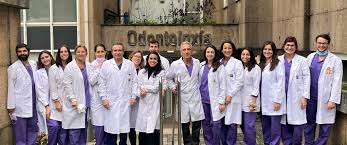


Facilities & Campus Life

Well-equipped Library

Experienced Faculty

Computer Lab

Sports Activities

Heritage Campus


Frequently Asked Questions
Why Consult With Us?
- 15+ years of experience in medical education counseling
- 5000+ students successfully guided
- 50+ partner universities worldwide
- Free initial consultation with no obligation