
Università degli Studi di Roma 'La Sapienza' Facoltà di Farmacia e Medicina

General Information
Founded in 1303, Sapienza is Europe's largest university and a global titan in medical research. The Faculty of Pharmacy and Medicine is distinguished by its deep integration with the Policlinico Umberto I, where Italy's first successful organ transplant took place. it remains a premier destination for students seeking a balance of historical prestige and high-tech clinical training.
General Info
- Established: 1303.
- Sedi Formative (Locations):
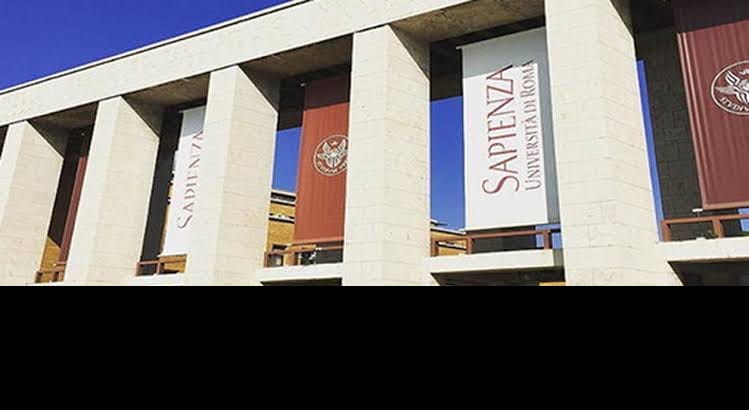
- Rome: Città Universitaria (Piazzale Aldo Moro 5) – The main monumental campus and home to the International Medical School (IMS).
- Latina: Polo Pontino – A dedicated medical hub offering a tighter-knit student community.
- Academic Tracks:
- Medicine and Surgery (6 years): Taught in Italian (various channels) and English (International Medical School - Rome).
- Pharmacy (5 years): Single-cycle qualifying degree for the pharmaceutical profession.
- Chemistry and Pharmaceutical Technology (CTF - 5 years): Focuses on drug design and industrial production.
- Health Professions: Includes high-ranking programs in Nursing, Physiotherapy, and Bioinformatics.
- Admission:
- Italian Medicine: Entry via the national TOLC-MED.
- English Medicine (IMS): Entry via the IMAT (International Medical Admissions Test).
- Pharmacy/CTF: Access via the TOLC-F exam.
- Quota: Over 1,000+ seats for Medicine alone, split across Rome and Latina branches.
- Research Focus: World leader in Neuroscience (Ranked #26 globally), Oncology, Pharmacology, and Genomic Medicine.
Campus Facilities
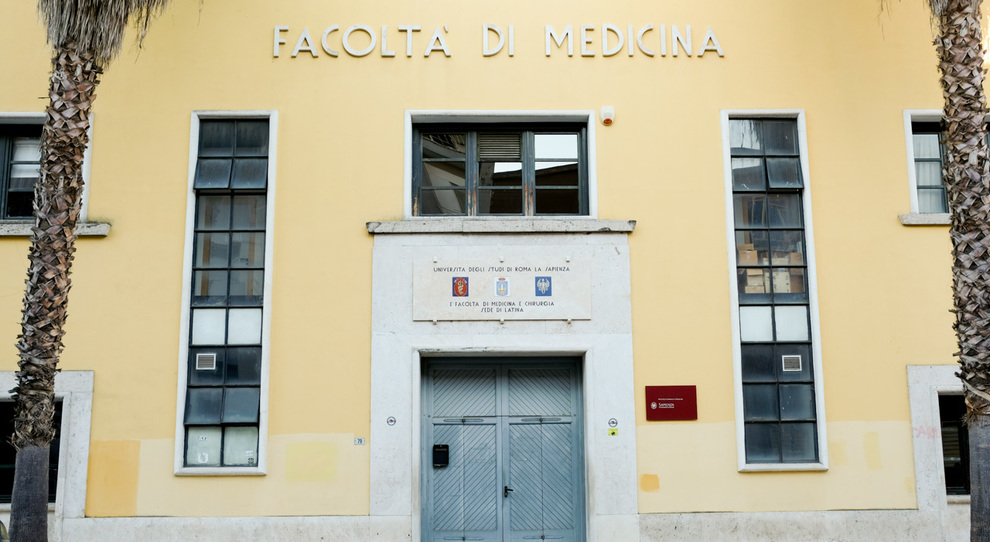
Sapienza’s medical infrastructure is a blend of historic halls and futuristic laboratories.
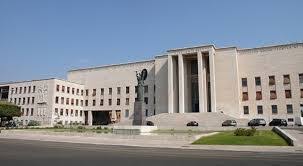
- Città Universitaria: A 110-acre "city" featuring smart classrooms, green spaces, and the Central Library of the Faculty, the largest university library system in Italy.
- Policlinico Umberto I: Directly integrated with the classrooms, this is Italy’s largest hospital and the primary clinical training ground for Sapienza students.
- High-Fidelity Simulation Center: Located within the medical departments, it uses robotic manikins for "hands-on" training in emergency and surgical procedures.
- Museum of the History of Medicine: A unique cultural resource documenting the evolution of medical science in Rome.
- Research Labs: Specialized facilities for Spatial Transcriptomics and Artificial Intelligence in Healthcare.
- Sport Sapienza: Comprehensive facilities at Tor di Quinto for students, including a pool and athletic tracks.
Hospital & Medical Facilities
Leading tertiary care hospital attached to the institution
Students rotate through a network of Italy's most prestigious healthcare institutions:
- Policlinico Umberto I: The main hub for all medical branches, from transplants to rare diseases.
- Sant’Andrea Hospital: A center of excellence for Emergency Medicine and Neurology.
- Santa Maria Goretti (Latina): The primary teaching hospital for students enrolled at the Latina campus.
- Ospedale Fatebenefratelli: Collaborates for clinical clerkships in the heart of Rome.
Fee Structure
State University Affordability
Sapienza follows a progressive model based on the ISEEU-U (Equivalent Economic Status Indicator).
Scholarship
- DiSCo Lazio Grants: Regional scholarships providing full tuition waivers, free meals at canteens, and a cash stipend (up to €7,000 for non-residents).
- Wanted the Best: Special merit awards for graduates/freshmen with top-tier academic scores.
- 150-Hour Collaboration: Opportunities for paid part-time work in university libraries, labs, and info points (earning ~€1,295).
- International Mobility: One of Europe's largest Erasmus+ networks, sending students to top universities in Germany, France, and Spain.
City Details
- The Vibe: Rome is an open-air museum; the medical faculty is just minutes away from the Colosseum and Termini Station.
- Connectivity:
- Metro: Line B (Policlinico stop) is directly on campus.
- Train: Minutes from Roma Termini, connecting you to all of Europe.
- Air: Direct shuttles to Fiumicino (FCO) and Ciampino (CIA) airports.
- Safety: Very safe in university-monitored zones; standard city awareness applies in crowded transit areas.
Hostel & Mess
- Accommodation: Provided via DiSCo Residences (merit-based) and a robust private market in the San Lorenzo, Policlinico, and Tiburtina areas.
- Dining: Multiple canteens (e.g., Mensa De Lollis) offer high-quality meals for as little as €2–€7 based on ISEE.
- Vibe: Grand, historical, and intellectual. Life in Rome's university district is a mix of intense study and vibrant Mediterranean social life.
Miscellaneous
Intakes: September/October.
Pre-enrollment: For international students, pre-selection via the MoveIN platform typically closes in May.
Universitaly: Mandatory registration for visa-seeking non-EU students.
Collage Images Gallery
Facilities & Campus Life

Well-equipped Library

Experienced Faculty

Computer Lab

Sports Activities

Heritage Campus


Frequently Asked Questions
Why Consult With Us?
- 15+ years of experience in medical education counseling
- 5000+ students successfully guided
- 50+ partner universities worldwide
- Free initial consultation with no obligation