

Universitat Autònoma de Barcelona Facultat de Medicina

General Information
The Faculty of Medicine at the Universitat Autònoma de Barcelona (UAB) is a premier institution in Spain, consistently ranked at the top of national medical school rankings for its academic rigor, research output, and high performance in the national medical residency (MIR) exams.
The faculty is unique for its decentralized clinical model, where students are split among five of the most prestigious university hospitals in Catalonia for their final years of training.
Institutional Overview
Campus Facilities
Campus & Infrastructure
The UAB Medical experience is divided into two phases: Pre-clinical and Clinical.
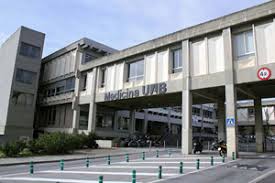
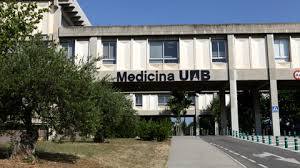
Pre-clinical Years (1st & 2nd): Primarily based at the Bellaterra Campus (Cerdanyola del Vallès). The medical building here features extensive anatomy dissection halls, microscopy labs, and the Medical Sciences Library.
Clinical Years (3rd – 6th): Students are distributed among five Clinical Teaching Units (UDH), which are essentially faculty buildings located inside major hospitals:
Vall d'Hebron: Spain’s largest hospital complex, focusing on high-complexity surgery and oncology.
Sant Pau: A world-renowned historic and modern hospital.
Germans Trias i Pujol (Can Ruti): A hub for infectious disease and neuroscience research.
Parc Taulí (Sabadell): Focused on community medicine and emergency care.
Bellaterra Unit: Where students who remain on the main campus perform their hospital rotations.
Hospital & Medical Facilities
Leading tertiary care hospital attached to the institution
Hospital Network (Clinical Teaching Units)
Unlike other universities, the UAB "hospital section" is integrated into five distinct Clinical Teaching Units (UDH). From Year 3 onwards, students are assigned to one of these major hospitals:
Vall d'Hebron: Spain's largest hospital, specializing in high-complexity care and oncology.
Hospital de la Santa Creu i Sant Pau: A world-renowned facility in the heart of Barcelona.
Germans Trias i Pujol (Can Ruti): A leader in neuroscience and infectious diseases (Badalona).
Parc Taulí: A key regional center in Sabadell for community and emergency medicine.
Bellaterra Unit: Focused on primary care and campus-integrated clinical education.
Fee Structure
State University Affordability
Estimated Tuition and Fees (2025)
As a public university in Catalonia, fees are set by the regional government based on the degree's level of experimentality.
Note: Living in Bellaterra or Cerdanyola is significantly more affordable than in central Barcelona, while remaining connected by a 30-minute train ride (FGC).
City Details
Hostel & Mess
Campus Living: University Village & Dining
The UAB is one of the few Spanish universities with a true American-style campus village.
Vila Universitària: * A massive residential complex on the Bellaterra campus with over 2,000 beds.
Includes apartments for 2 to 5 people, a community pool, laundry, and sports fields.
Cost: Shared apartments range from €350 to €550 per month (excluding utilities).
Dining & Mess:
The campus features numerous cafeterias and restaurants. A three-course student menu (Menú del Dia) typically costs between €7.50 and €9.50.
The Vila Universitària also has a grocery store and its own bars for student life.
Miscellaneous
Admissions & International Access
Admission is strictly competitive based on the Nota de Corte (Cut-off Score).
Cut-off Score: For Medicine at UAB, the score is extremely high, often reaching 12.9 to 13.1 out of 14.0.
UNEDasiss: International students must validate their high school transcripts through the UNEDasiss portal.
PCE Exams: It is standard for international students to take Specific Competency Tests (PCE) in Biology and Chemistry to boost their total score.
Language: While the university offers some modules in English, Catalan and Spanish are essential for daily life and hospital patient interaction.
Collage Images Gallery
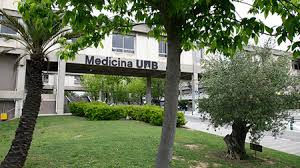
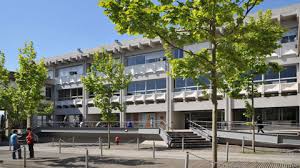
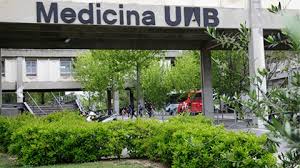
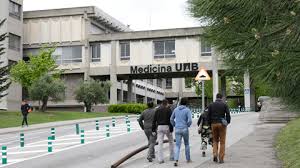
Facilities & Campus Life

Well-equipped Library

Experienced Faculty

Computer Lab

Sports Activities

Heritage Campus


Frequently Asked Questions
Why Consult With Us?
- 15+ years of experience in medical education counseling
- 5000+ students successfully guided
- 50+ partner universities worldwide
- Free initial consultation with no obligation