
Universitat de Girona Facultat de Medicina

General Information
The Faculty of Medicine at the Universitat de Girona (UdG) is a modern and highly regarded institution in Catalonia, known primarily for its innovative pedagogical model. Unlike traditional lecture-heavy programs, UdG was a pioneer in Spain for fully implementing Problem-Based Learning (PBL), focusing on clinical reasoning and student autonomy from the first year.
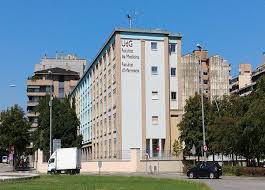
The faculty is located at the Girona Centre Campus (Emili Grahit), placing it in the urban heart of the city, close to major healthcare centers.
Pedagogical Innovation: The PBL Model
The UdG medical program is built around the Problem-Based Learning methodology.
Small Groups: Students work in groups of 10–12 with a tutor.
Clinical Cases: Learning is triggered by real-world clinical scenarios rather than isolated subject lectures.
Early Clinical Exposure: Students begin interacting with the healthcare environment and practicing clinical skills much earlier than in traditional programs.
Campus Facilities
Campus & Scientific Infrastructure
The Girona Centre Campus provides a specialized environment for health sciences.
Clinical Skills Center (CHC): A high-tech simulation hub on the first floor of the faculty. It includes:
Simulated Consultation Rooms: For practicing doctor-patient communication.
High-Fidelity Mannequins: Life-like robotic adults, children, and babies that react physiologically to treatments.
Specialized Phantoms: For practicing specific maneuvers like resuscitation, infiltrations, or gynecological exams.
Research Integration: Closely linked to the Girona Biomedical Research Institute (IDIBGI), allowing students to participate in high-level research in fields like neuroscience, cardiovascular health, and metabolism.
Early clinical training at UdG often begins with mastering cardiovascular systems using both simulators and clinical cases.
Hospital & Medical Facilities
Leading tertiary care hospital attached to the institution
Clinical Pillar: Healthcare Network
Clinical training is integrated with the Catalan Health Service (CatSalut), primarily through the leading hospital in the province:
Hospital Universitari de Girona Doctor Josep Trueta: The main teaching hospital, a high-complexity center and the reference point for the Girona health region.
Hospital de Santa Caterina (Salt): A key secondary teaching hospital located in the nearby medical park.
Primary Care Centers (CAP): Students rotate through a vast network of urban and rural health centers to understand community medicine and long-term patient care.
Fee Structure
State University Affordability
Tuition Fees and Costs (Estimated 2025)
As a public university in Catalonia, fees are set by the regional government (Generalitat).
City Details
Hostel & Mess
Student Life: Housing & Dining
Accommodation:
University Residences: The university partners with providers like RESA and Unihabit for dedicated student housing.
Shared Flats: A very popular option. Rooms in the Montilivi or Eixample areas (close to the campus) typically range from €350 to €450 per month.
Dining:
The Centre Campus features a university canteen with subsidized prices. A full three-course lunch menu generally costs around €7.00 – €8.50.
Miscellaneous
Admissions & Entry Requirements
Cut-off Score: Entry is highly competitive. For 2025, the required grade is expected to be above 12.8 out of 14.0.
UNEDasiss: International students must validate their high school records via the UNEDasiss portal.
PCE Exams: To be competitive, international students usually take Specific Competency Tests (PCE) in Biology and Chemistry.
Language Proficiency: Most classes are in Catalan and Spanish. A B2 level in both is highly recommended for academic success and essential for patient interaction.
Collage Images Gallery
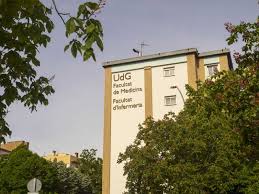
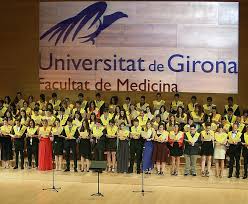
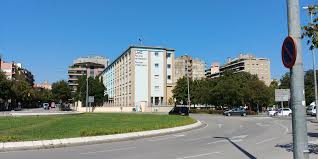
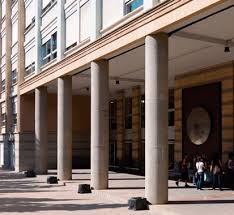
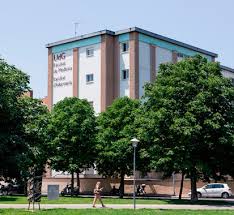
Facilities & Campus Life

Well-equipped Library

Experienced Faculty

Computer Lab

Sports Activities

Heritage Campus


Frequently Asked Questions
Why Consult With Us?
- 15+ years of experience in medical education counseling
- 5000+ students successfully guided
- 50+ partner universities worldwide
- Free initial consultation with no obligation