
Universitat de Lleida Facultat de Medicina

General Information
The Faculty of Medicine at the Universitat de Lleida (UdL) is a place where history meets modern science. Founded in 1300, it is the oldest medical school in the former Crown of Aragon and remains a top choice for students seeking a high-quality, clinical-heavy education in a tight-knit community.
Unlike the massive urban campuses in Barcelona, UdL offers a personalized atmosphere where you can easily connect with professors and researchers.
Campus Facilities
Campus & Infrastructure
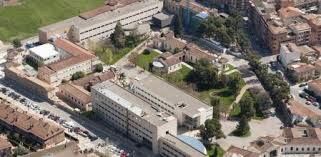
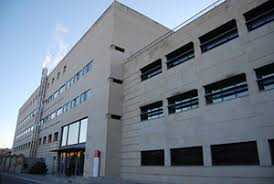
The faculty is centered on the Health Sciences Campus (Campus de Ciències de la Salut), which acts as a specialized medical village integrated into the city’s healthcare district.
Teaching Unit Santa Maria (HUSM): This serves as the faculty's headquarters. It houses the administrative offices, the Dean’s Office, and the foundational pre-clinical spaces. First- and second-year students spend most of their time here in the dissection rooms, practice laboratories, and the Health Sciences Library.
Teaching Unit Arnau de Vilanova (HUAV): A modern facility inaugurated in 2008 specifically designed for the Bologna Plan. It features numerous seminar rooms for small-group work, high-tech computer labs, and the Clinical Simulation Room.
Scientific Support: The campus is also home to the Biomedical Research Institute of Lleida (IRBLleida), where students can get involved in cutting-edge research in oncology, neuroscience, and rare diseases.
Hospital & Medical Facilities
Leading tertiary care hospital attached to the institution
Healthcare Pillar: Teaching Hospitals
Clinical training at UdL is unique because it leverages the entire provincial health network, ensuring students see everything from specialized surgeries to rural primary care.
Hospital Universitari Arnau de Vilanova (HUAV): The largest hospital in the province and the primary teaching base for upper-year rotations. It is a high-complexity center specializing in emergency medicine and advanced surgery.
Hospital Universitari de Santa Maria (HUSM): A key clinical partner focused on internal medicine, mental health, and specialized regional services.
The Regional Network: To provide a well-rounded education, students rotate through hospitals in Tremp, La Seu d’Urgell, and Cerdanya (Puigcerdà), gaining insight into the challenges of healthcare in mountain and rural environments.
Fee Structure
State University Affordability
Fee Structure and Costs (Estimated 2025)
UdL is a public university, and its fees are among the most stable in Catalonia.
Note: Lleida is consistently ranked as one of the most affordable university cities in Spain, with significantly lower rent and service costs compared to Madrid or Barcelona.
City Details
Hostel & Mess
Student Life: Housing & Dining
Because the city is smaller, the student community is very cohesive and most facilities are within walking distance.
Accommodation:
University Residences: The Vila de Lleida and Cordimariana (female only) residences are popular choices, often including meal plans. Prices start around €400–€500/month.
Shared Flats: Most medical students rent in the Cappont or Rambla d'Aragó areas. A room in a shared apartment typically costs between €250 and €350 per month.
Dining:
The university canteens provide a "Menú del Día" for approximately €7.00–€8.00, offering balanced meals designed for long study days.
Miscellaneous
Admissions & Entry Requirements
Entry to Medicine at UdL is highly competitive and depends strictly on academic merit.
Cut-off Score: For 2024/2025, the required grade was 12.431 out of 14.0.
UNEDasiss: International students must validate their high school records through the UNEDasiss portal to enter the Spanish university system.
PCE Exams: To achieve a competitive score, it is essential for international applicants to take Specific Competency Tests (PCE) in Biology and Chemistry.
Language: Classes are taught in Catalan and Spanish. A B2/C1 level in Spanish is mandatory for clinical rounds and patient interaction.
Collage Images Gallery
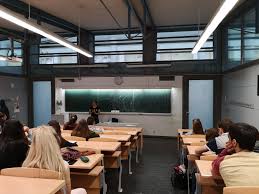
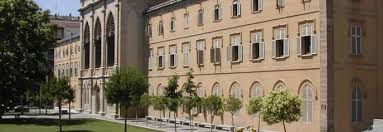
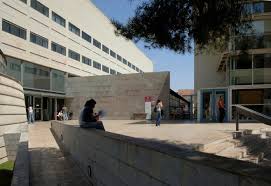
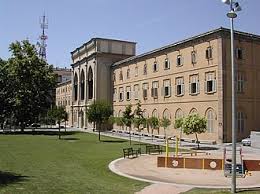
Facilities & Campus Life

Well-equipped Library

Experienced Faculty

Computer Lab

Sports Activities

Heritage Campus


Frequently Asked Questions
Why Consult With Us?
- 15+ years of experience in medical education counseling
- 5000+ students successfully guided
- 50+ partner universities worldwide
- Free initial consultation with no obligation