

Universitat de Vic - Universitat Central de Catalunya (UVic-UCC) Facultat de Medicina

General Information
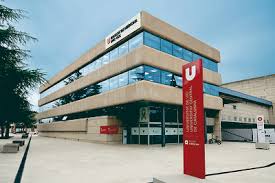
The Faculty of Medicine at the Universitat de Vic - Universitat Central de Catalunya (UVic-UCC) is a relatively young but highly innovative institution. Known for its modern pedagogical approach, it was founded with a clear international outlook and a focus on community-oriented, patient-centered medicine.
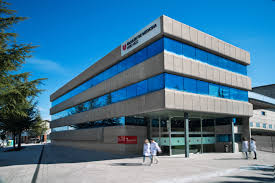
The faculty operates on a decentralized model, primarily utilizing its UMedicina campus, which spans the cities of Vic and Manresa in the heart of Catalonia.
Campus Facilities
Campus & Infrastructure
The faculty is designed around the concept of active learning, moving away from traditional lecture halls and into high-tech, collaborative spaces.
Integrated Locations: Students typically spend the first two years (pre-clinical) at the Vic Campus. Starting in the third year, they choose between the Vic Teaching Unit (UDT Vic) or the Manresa Teaching Unit (UDT Manresa) for their clinical training.
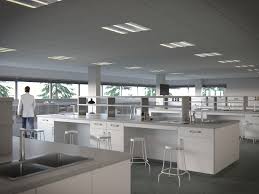
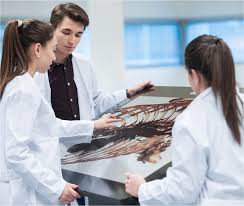
Virtual Dissection Lab: UVic-UCC is a pioneer in using the Sectra© virtual anatomy table, which allows students to perform virtual dissections and interact with high-resolution 3D medical imaging (CT and MRI) alongside traditional anatomical studies.
International Simulation Center (Manresa): One of the most advanced in Europe, this center uses high-fidelity simulation to recreate complex clinical scenarios, allowing students to practice everything from surgical maneuvers to ethical communication in a safe, controlled environment.
Hospital & Medical Facilities
Leading tertiary care hospital attached to the institution
Healthcare Pillar: Teaching Hospitals
Clinical training at UVic-UCC is deeply rooted in the healthcare network of Central Catalonia, providing students with a diverse experience that includes both major tertiary hospitals and regional centers.
Hospital Universitari de Vic (CHV): The primary reference center in Osona, specializing in acute care and surgery.
Hospital Universitari de Sant Joan de Déu (Manresa): A major teaching hub focused on comprehensive care.
Regional Partners: The faculty has strong ties with hospitals in Olot, Campdevànol, Berga, Martorell, and Puigcerdà, ensuring students understand the challenges of healthcare in both urban and rural environments.
Primary Care Network: Students rotate through the Catalan Institute of Health (ICS) primary care centers, emphasizing the importance of community medicine.
Fee Structure
State University Affordability
Fee Structure and Costs (Estimated 2025)
Unlike the fully public universities in Catalonia, UVic-UCC is a "private-public" hybrid (federated university), so its tuition fees are higher than the standard public rates but lower than fully private institutions.
Note: Living in Vic or Manresa is significantly cheaper than in Barcelona city. You can find high-quality shared housing for much lower prices, and both cities are well-connected to Barcelona by train.
City Details
Hostel & Mess
Student Life: Housing & Dining
The student community in Vic and Manresa is very active, and because the campuses are smaller, the atmosphere is quite familial.
Accommodation:
Canigó Student Residence (Vic): Located near the faculty, offering modern rooms and social spaces.
Shared Flats: Most medical students rent in the city centers of Vic or Manresa. A room typically costs between €300 and €450 per month.
Dining:
The UMedicina cafeterias offer healthy, balanced "Menús del Día" for students at subsidized prices (approx. €7.50 – €9.00).
Both cities are famous for their local gastronomy (especially cured meats like Fuet de Vic), and there are many affordable student-friendly eateries nearby.
Miscellaneous
Admissions & Entry Requirements
Because it is a federated university, the admission process follows the public pre-registration system of Catalonia.
Cut-off Score: The entry grade is usually slightly lower than the major public universities in Barcelona, but still high. For 2025, expect a requirement above 12.3 out of 14.0.
UNEDasiss: International students must validate their high school diplomas through the UNEDasiss portal.
PCE Exams: To boost your score to the competitive 12+ range, taking Biology and Chemistry in the Specific Competency Tests (PCE) is essential.
Language Proficiency: A B2 level in Spanish is required for international students to ensure success during clinical rotations with patients.
Collage Images Gallery
Facilities & Campus Life

Well-equipped Library

Experienced Faculty

Computer Lab

Sports Activities

Heritage Campus


Frequently Asked Questions
Why Consult With Us?
- 15+ years of experience in medical education counseling
- 5000+ students successfully guided
- 50+ partner universities worldwide
- Free initial consultation with no obligation