
Universität Leipzig Medizinische Fakultät Leipzig

General Information
Founded in 1415, the Medical Faculty of Leipzig University is the second oldest in Germany and holds a prestigious place in the history of European medicine. Today, it is a high-performance center for modern medicine, located on a specialized campus near the city center. Leipzig is particularly famous for its focus on "Modern Diseases" (lifestyle-related illnesses like obesity and diabetes) and is home to the world-renowned Leipzig Heart Center.
General Info
- Established: 1415.
- Primary Location: > Liebigstraße 27, 04103 Leipzig, Germany.
- Academic Model: Staatsexamen (German State Examination).
- Structure: A 6.3-year program (12 semesters + Practical Year).
- Phase 1 (Pre-clinical): Semesters 1–4; ends with the Physikum exam.
- Phase 2 (Clinical): Semesters 5–10; focuses on diagnostics, pathology, and therapy.
- Phase 3 (Practical Year): The final 48 weeks of clinical training (PJ).
- Instruction: 100% German. C1 level proficiency (DSH-2, TestDaF 4x4, or Goethe C2) is strictly required.
- Research Focus: Endocrinology, Cardiovascular Medicine, Neuroscience, and Oncology.
- Admission: Restricted (Numerus Clausus). Applications for non-EU students are processed via uni-assist.
Campus Facilities
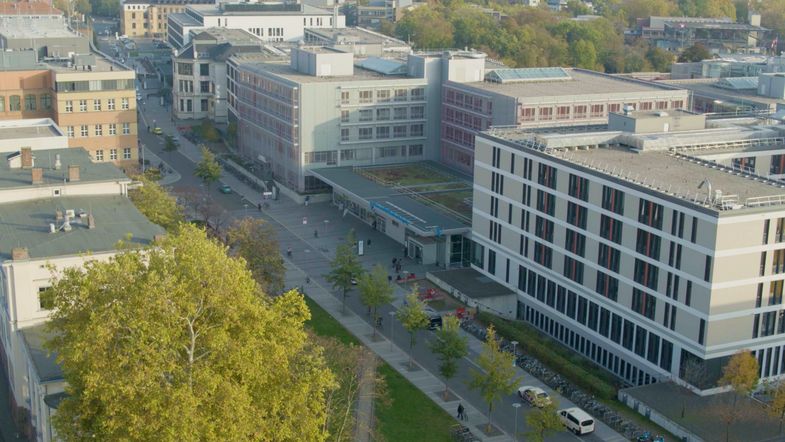
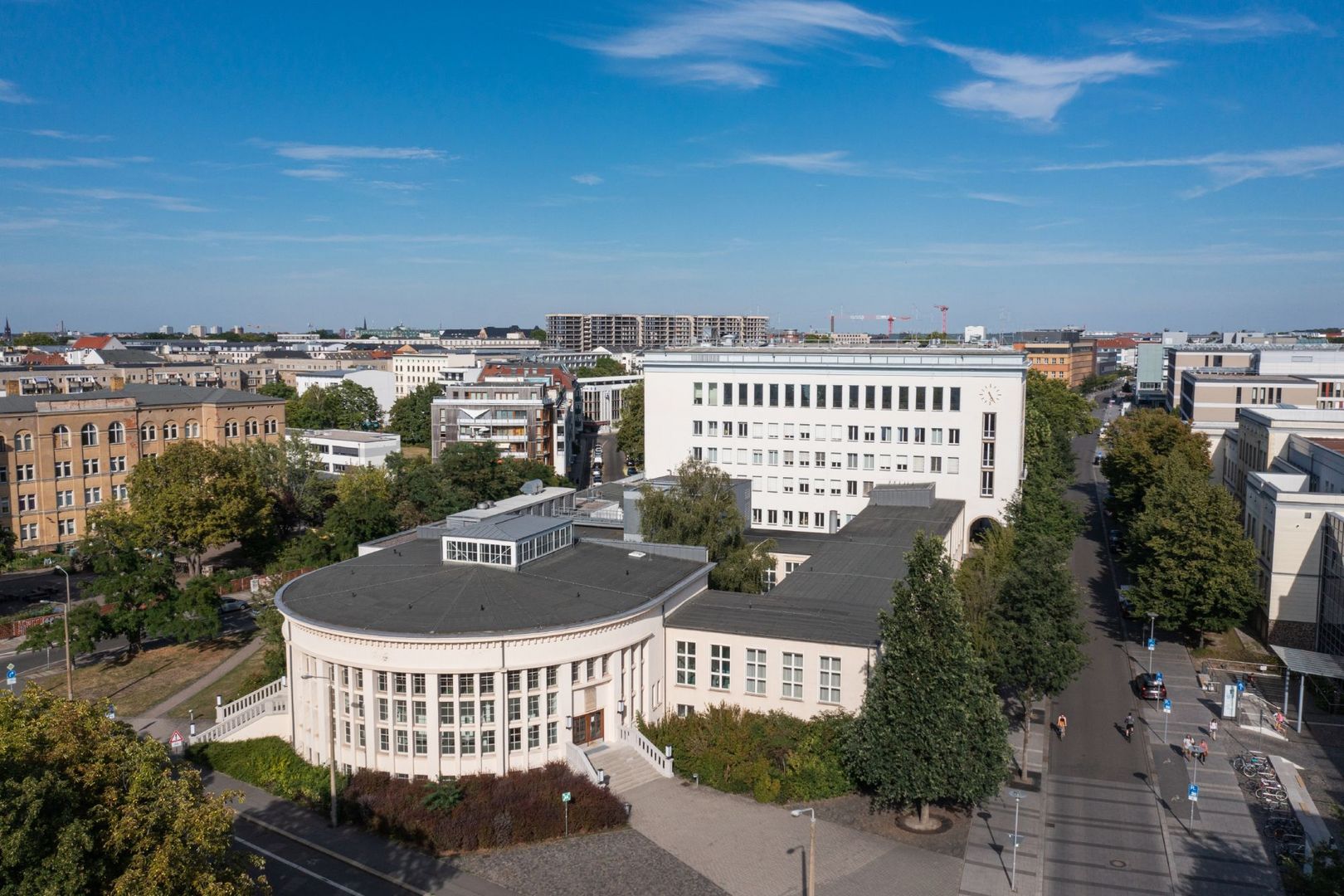
The medical campus is a "knowledge quarter" located in the heart of Leipzig, featuring state-of-the-art research buildings and historic institutes.
- IFB AdiposityDiseases: A world-class Integrated Research and Treatment Center dedicated to obesity and its associated metabolic disorders.
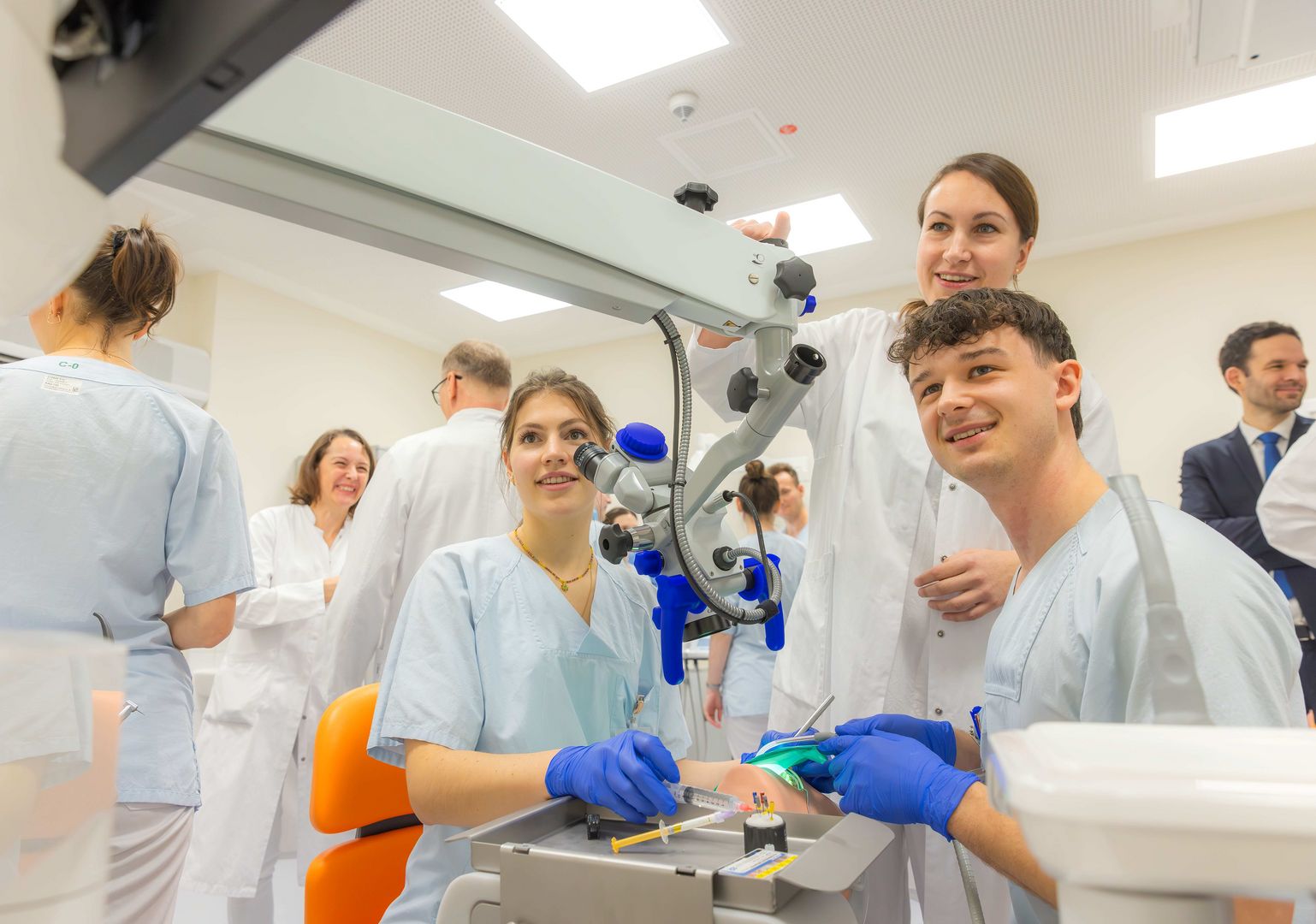
- LernKlinik Leipzig: A high-end SkillsLab where students practice clinical procedures on simulators and interact with standardized patients.
- LIFE Research Center: A large-scale longitudinal study center investigating civilization diseases across the human lifespan.
- Paul Flechsig Institute: A historic and cutting-edge center for brain research and neuropathology.
- Biocity Leipzig: A nearby biotechnology hub that fosters cooperation between the university and start-up companies.
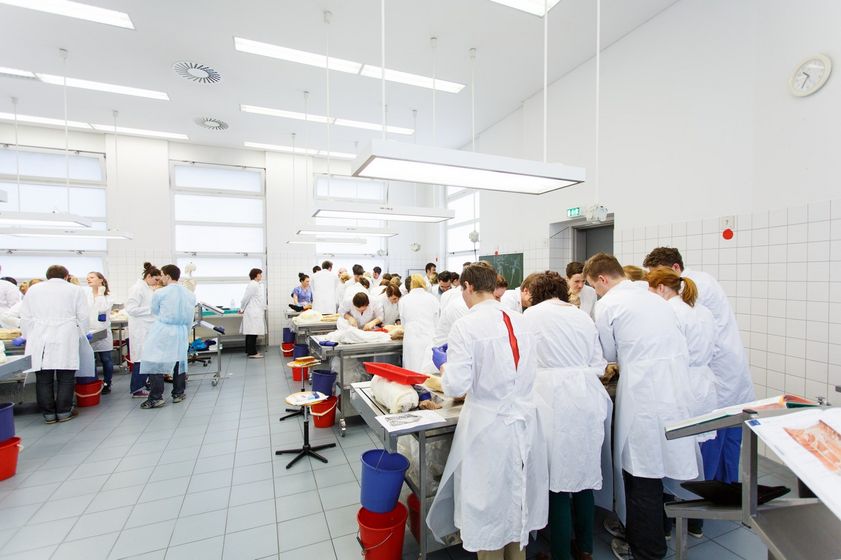
- Anatomy & Prosektur: Renowned for its anatomical teaching and collection, merging traditional dissection with 3D visualization.
- Leipzig Clinician Scientist Program (MD-LEICS): A structured track for medical students and young doctors to pursue research with "protected time."
- Medical Library (Carl-Ludwig-Stiftung): A specialized branch offering extensive digital resources and a historic reading atmosphere.
- Innovation Center Computer Assisted Surgery (ICCAS): A pioneer in digital health and surgical robotics research.
- Students' Club "Destille": A legendary social spot located right on the medical campus for student networking.
Hospital & Medical Facilities
Leading tertiary care hospital attached to the institution
The Leipzig University Medical Center (UKL) is a maximum-care provider with deep historic roots:
- Capacity: Over 1,450 beds and 26 specialized clinics.
- Clinical Volume: Treats approximately 56,000 inpatients and over 300,000 outpatients annually.
- Specialization: Home to the Leipzig Heart Center (one of the largest in Europe) and a major center for transplantation and pediatric medicine.
Fee Structure
State University Affordability
Leipzig is a public university; there are currently no tuition fees for the primary medical degree.
Scholarship
- Deutschlandstipendium: 300 €/month for high achievers with social commitment.
- STIBET Grants: Short-term financial aid for international students in their final phase of study.
- DAAD Scholarships: Various merit-based awards for international students (Country-specific).
- MD/PhD Scholarships: Funding specifically for medical students pursuing a doctoral thesis in the faculty's research focus areas.
City Details
- The Vibe: Leipzig is known as "Hypezig" it is young, creative, and one of the fastest-growing cities in Germany. It boasts massive parks and the nearby Neuseenland (lake district).
- Connectivity:
- Tram Lines 2, 9, 16: All stop within walking distance of the Liebigstraße campus.
- Bike-Friendly: Most students use bicycles to navigate the flat, compact city center.
- Safety: Very high; Leipzig is a safe, multicultural city with a vibrant student population.
Hostel & Mess
- Accommodation: Managed by Studentenwerk Leipzig.
- Student Dorms: Rent is exceptionally competitive, ranging from 250 € to 450 €/month.
- Private Housing: A shared flat (WG) room in Leipzig typically costs 350 € – 550 €/month.
- Dining: The Mensa am Medizincampus is dedicated to medical students and staff, offering subsidized meals (approx. 3.50 € – 7.00 €).
Miscellaneous
- APS Certificate: Mandatory for applicants from India, China, and Vietnam.
- Uni-assist VPD: Required for international applicants before applying to the university.
- Deadline: July 15 for the Winter Semester (the only intake for medicine).
Collage Images Gallery
Facilities & Campus Life

Well-equipped Library

Experienced Faculty

Computer Lab

Sports Activities

Heritage Campus


Frequently Asked Questions
Why Consult With Us?
- 15+ years of experience in medical education counseling
- 5000+ students successfully guided
- 50+ partner universities worldwide
- Free initial consultation with no obligation