


Universitat Pompeu Fabra Facultat de Ciències de la Salut i de la Vida

General Information
The Faculty of Medicine and Life Sciences at Universitat Pompeu Fabra (UPF) is a standout institution in Spain, known for its deep integration of medical education with high-level biomedical research. Located in the heart of Barcelona's "biomedical district," it offers a modern, science-heavy approach to medicine that is unique among Spanish public universities.
Institutional Profile
Type: Public University.
Location: Mar Campus (Carrer del Dr. Aiguader, 80, 08003 Barcelona).
Ranking: Consistently ranked in the Top 100 globally for Life Sciences and Medicine and #1 or #2 in Spain for research impact.
Language: Trilingual (Spanish, Catalan, and English). While clinical work with patients is in Spanish/Catalan, many scientific modules and resources are in English.
Campus Facilities
Campus & Infrastructure
The Mar Campus is located right on the Mediterranean seafront and is a specialized health sciences hub.
PRBB (Barcelona Biomedical Research Park): The faculty is physically part of the PRBB, one of Europe's largest research clusters. This allows students to study in the same building as Nobel-caliber scientists.
Core Facilities: Access to high-tech laboratories for genomics, proteomics, and advanced imaging.
Advanced Simulation Center: Includes simulated clinical environments (emergency rooms, consultation offices) where students practice before hospital entry.
Hospital & Medical Facilities
Leading tertiary care hospital attached to the institution
Healthcare Pillar: Teaching Hospitals
UPF is directly connected to the PSMAR (Parc de Salut Mar), providing a seamless transition from the classroom to the clinic.
Hospital del Mar: Located right next to the campus, this is the primary teaching hospital. It is famous for its research-driven clinical practice.
Hospital de l'Esperança: Focuses on rehabilitation and surgical specialties.
IMIM (Hospital del Mar Medical Research Institute): An affiliated institute where clinical research projects are integrated into the medical curriculum.
Fee Structure
State University Affordability
Fee Structure and Costs (Estimated 2025)
As a public university in Catalonia, tuition is regulated by the regional government.
Note: The Mar Campus area (Barceloneta/Vila Olímpica) is one of the most expensive in the city. Many students choose to live further inland and commute via the Yellow Metro line (L4).
City Details
Hostel & Mess
Student Life: Housing & Dining
Accommodation:
RESA Residences: Several residences are near the campus, such as La Ciutadella or Investigadors. These are high-quality but high-cost (~€800–€1,200/month).
Shared Flats: Most students find rooms in the El Born or Poblenou districts. A room typically costs between €450 and €650 per month.
Dining:
The PRBB and Mar Campus canteens offer a "Menú del Día" for approximately €7.50 – €9.50.
Being by the sea, there are many outdoor spaces and beaches where students gather for breaks.
Miscellaneous
Admissions & Entry Requirements
Admission to UPF is among the most difficult in Spain due to the very small number of intake spots.
Cut-off Score: The "Nota de Corte" is consistently one of the highest in the country, usually above 13.1 out of 14.0.
UNEDasiss: International students must validate their high school records through the UNEDasiss portal.
PCE Exams: To be competitive, international applicants must take the Specific Competency Tests (PCE) in Biology and Chemistry and aim for near-perfect scores.
Language Proficiency: A B2/C1 level of Spanish is required, as clinical practice involves direct interaction with the local population.
Collage Images Gallery
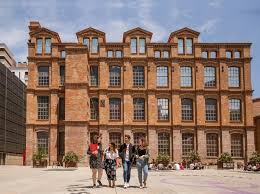
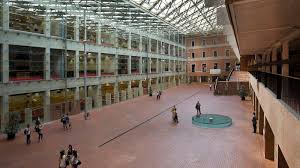
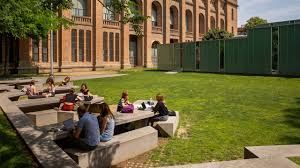

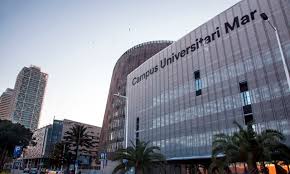
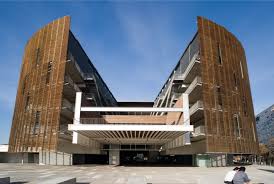
Facilities & Campus Life

Well-equipped Library

Experienced Faculty

Computer Lab

Sports Activities

Heritage Campus


Frequently Asked Questions
Why Consult With Us?
- 15+ years of experience in medical education counseling
- 5000+ students successfully guided
- 50+ partner universities worldwide
- Free initial consultation with no obligation