

Universität Rostock Medizinische Fakultät

General Information
Founded in 1419, the University of Rostock is the third-oldest university in Germany and the oldest in the Baltic Sea region. Its Medical Faculty is a powerhouse of tradition and innovation, seamlessly blending historic academic rigor with a modern "Hansegard" campus feel. The faculty is unique for its "One-Roof" strategy in many departments and its pioneering work at the intersection of Life Sciences and Engineering, particularly in the development of medical implants and biotechnological therapies.
General Info
- Established: 1419.
- Primary Location: > Schillingallee 35, 18057 Rostock, Germany.
- Academic Model: Staatsexamen (German State Examination).
- Structure: A 6.3-year program (12 semesters + Practical Year).
- Pre-clinical (Years 1–2): Strong emphasis on small-group learning and early integration of clinical-technical issues.
- Clinical (Years 3–5): Training occurs at the University Medicine Rostock, focusing on interdisciplinary centers.
- Practical Year (PJ): The final year of rotations, often available at high-profile partner clinics in Northern Germany.
- Instruction: 100% German. C1 level proficiency (DSH-2 or TestDaF 4x4) is required for the State Exam.
- Research Pillars: Biomedical Technology/Biomaterials, Neurosciences, and Oncology.
- Admission: Highly restricted (Numerus Clausus). Applications for international (non-EU) students are processed via uni-assist.
Campus Facilities
The medical campus is strategically located near the city center and the Baltic Sea coast, offering a high-tech environment for medical education.
- Institute for Implant Technology and Biomaterials (IIB): A world-renowned facility in Warnemünde that develops novel implant systems and biomaterials in collaboration with engineers.
- Rostock Skills Lab: A modern simulation center where students practice clinical skills, ultrasound diagnostics, and surgical techniques on advanced simulators.
- CCC-MV (Comprehensive Cancer Center): A top-tier center for high-quality patient care and research in experimental oncology.
- Biomedical Research Center (BMFZ): A central hub for molecular research, featuring high-end labs for gene therapy and protein analysis.
- Molecular Imaging North: A specialized facility for PET/CT and MRI imaging that supports both clinical diagnostics and translational research.
- Anatomy Teaching Collection: A historic yet modernized department offering hands-on dissection courses with digital supplements.
- ZBA (Zentrum für Biologische Arzneistoffe): Focuses on the research and development of biological drugs and advanced pharmacology.
- Department of Life, Light and Matter: An interdisciplinary department where medical researchers collaborate with physicists and chemists.
- MedTec Lab: A specialized lab focusing on the digitalization of medical devices and telehealth solutions.
- Medical Library: A dedicated branch of the university library with extensive 24/7 digital access and specific zones for group work.
Hospital & Medical Facilities
Leading tertiary care hospital attached to the institution
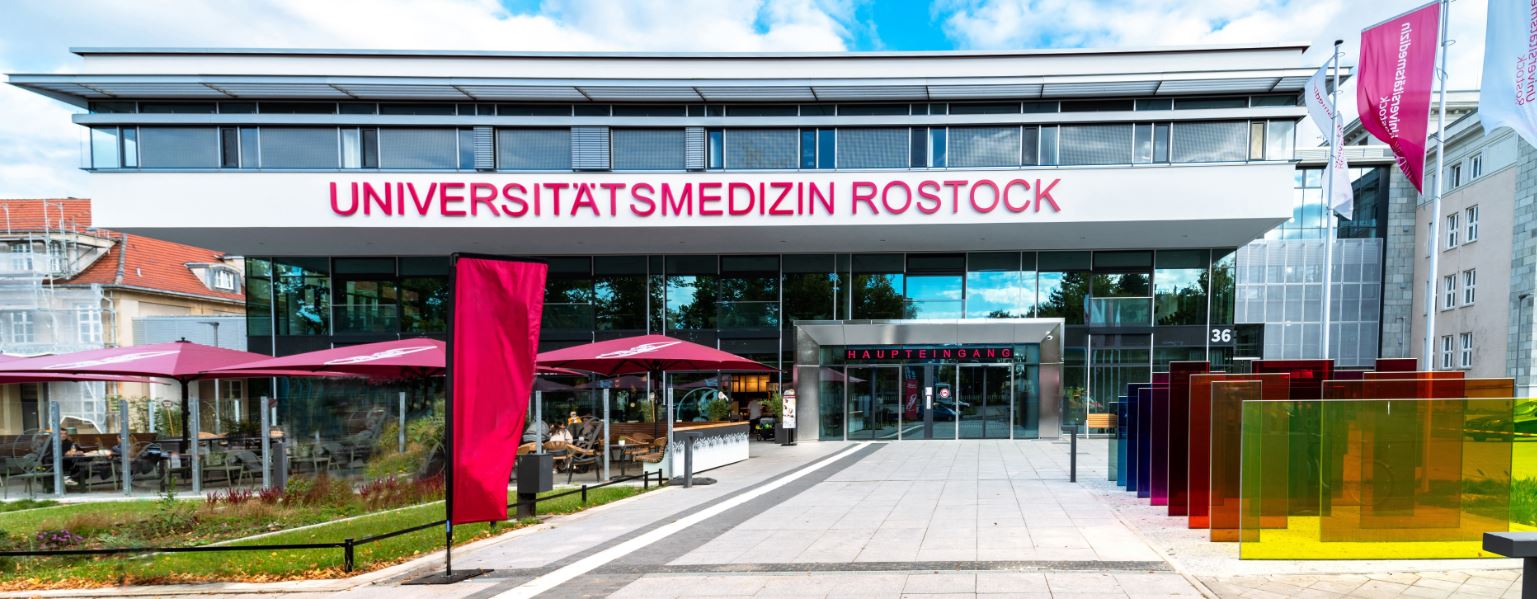
The University Medicine Rostock is the largest healthcare provider in the region:
- Capacity: Roughly 1,100 beds across more than 35 specialized clinics and institutes.
- Clinical Volume: Treats approximately 50,000 inpatients and 200,000 outpatients annually.
- Specialization: A leader in Cardiology (Chest Pain Unit), Neurosurgery, and Pediatric Emergency Medicine.
Fee Structure
State University Affordability
As a public university in Mecklenburg-Vorpommern, Rostock does not charge tuition fees for the primary medical degree.
Scholarship
- Deutschlandstipendium: 300 €/month awarded based on academic merit and social commitment.
- DAAD-STIBET: Specifically for international students in financial hardship or in the final phase of their studies.
- Caspar-David-Friedrich Scholarships: For doctoral candidates with exceptional research projects in the life sciences.
- Scholarships for Junior Scientists: Managed by the Department of Gender and Diversity to support emerging researchers.
City Details
- The Vibe: Rostock is a vibrant Hanseatic city with a maritime soul. Its proximity to the Warnemünde beach makes it a unique place for students to balance intense study with coastal leisure.
- Connectivity:
- Trams & Buses: Excellent local network connecting the medical campus to the main station and the seaside.
- Ferries: Students use the Warnow ferries to cross between city districts.
- Safety: Very high; Rostock is a safe, family-friendly, and welcoming university city.
Hostel & Mess
- Accommodation: Managed by Studierendenwerk Rostock-Wismar.
- Student Dorms: Rent ranges from 280 € to 480 €/month. The dorms in the Kröpeliner-Tor-Vorstadt are highly popular.
- Private Housing: A room in a shared flat (WG) typically costs 400 € – 600 €/month.
- Dining: The Mensa Schillingallee is located directly on the medical campus, offering subsidized, high-quality meals (approx. 3.50 € – 7.50 €).
Miscellaneous
- APS Certificate: Mandatory for applicants from India, China, and Vietnam.
- Uni-assist VPD: Required for non-EU applicants before the July 15 deadline.
- Intake: Winter Semester only.
Collage Images Gallery
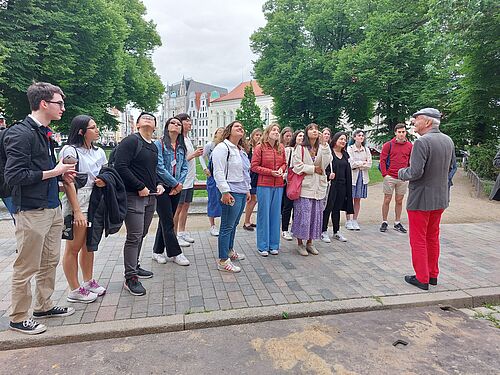
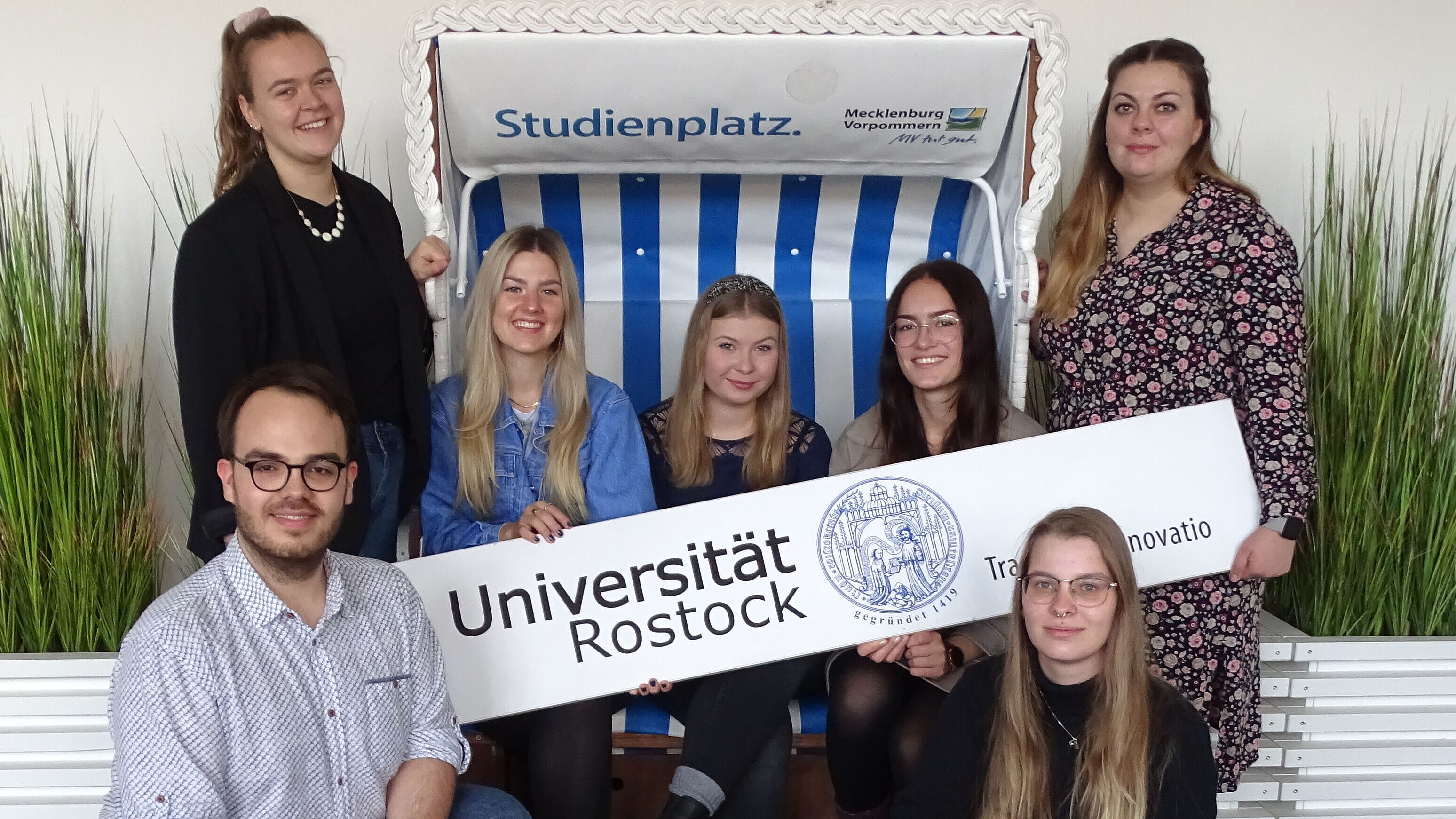
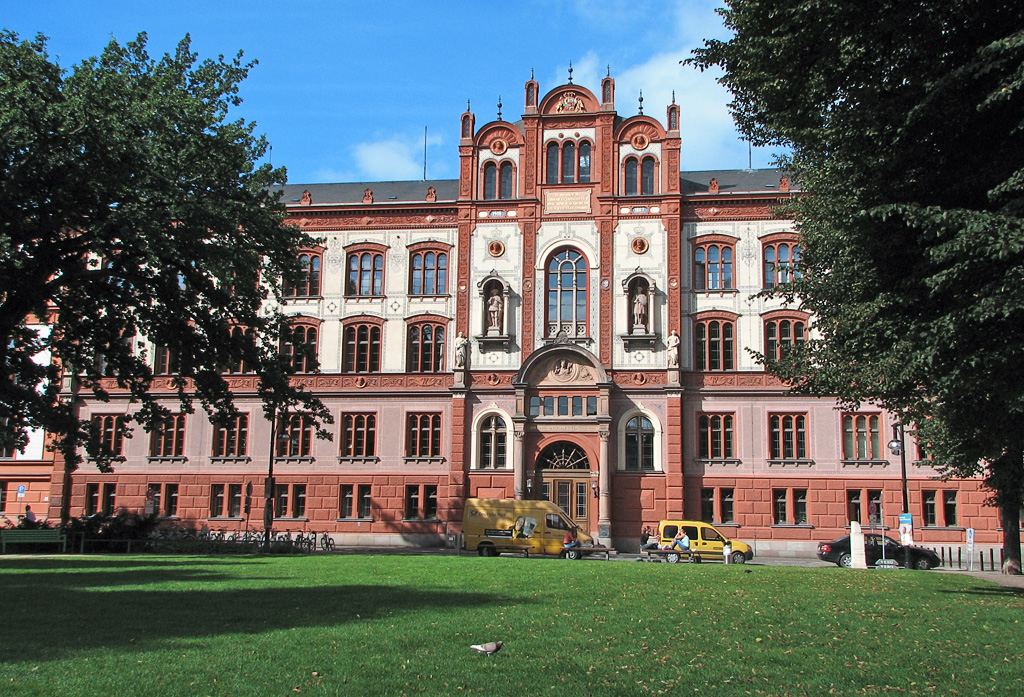
Facilities & Campus Life

Well-equipped Library

Experienced Faculty

Computer Lab

Sports Activities

Heritage Campus


Frequently Asked Questions
Why Consult With Us?
- 15+ years of experience in medical education counseling
- 5000+ students successfully guided
- 50+ partner universities worldwide
- Free initial consultation with no obligation