
Universität zu Köln Medizinische Fakultät

General Information
The Medical Faculty of the University of Cologne is one of the most prominent medical schools in Germany, located in the heart of the vibrant Rhine metropolis. It is distinguished by its Cologne Model Study Course, which emphasizes the integration of clinical practice and scientific research from the very first semester. The faculty is a core part of the University Hospital Cologne (UKK), an elite center recognized globally for its work in Aging Research (CECAD) and Oncology.
General Info
- Established: 1388 (re-founded 1919).
- Primary Location: > Joseph-Stelzmann-Straße 20, 50931 Cologne, Germany.
- Academic Model: Cologne Model Study Course (Modellstudiengang).
- Structure: A 6.3-year program (12 semesters + Practical Year).
- Integrated Phase 1 (Semesters 1–4): Combines basic sciences with early clinical skills and patient contact. Includes a "Basic Medical Examination" (H-Model element).
- Integrated Phase 2 (Semesters 5–10): Clinical subjects are taught in organ-centered modules.
- Practical Year (PJ): The final 48 weeks of bedside training in internal medicine, surgery, and an elective.
- Instruction: 100% German. C1 level proficiency (DSH-2 or TestDaF 4x4) is mandatory.
- Research Focus: Excellence in Aging Research (CECAD Cluster), Metabolic Research, and Translational Oncology (CIO).
- Admission: Highly selective (Numerus Clausus). The TMS (Test for Medical Studies) is a critical component of the selection process.
Campus Facilities
The medical campus is a high-density clinical and research district within the city, known for its interdisciplinary "Lindenburg" site.
- CECAD (Cluster of Excellence): A world-leading research center investigating the aging process and age-associated diseases like Alzheimer’s and cancer.
- CIO (Center for Integrated Oncology): One of Germany's four "Top Oncology Centers," where students learn at the forefront of personalized cancer therapy.
- SkillsLab (Kölner Modell): A central training facility where students practice clinical skills, ultrasound, and patient communication in a safe, simulated environment.
- CMMC (Center for Molecular Medicine Cologne): Bridges the gap between basic molecular research and clinical applications.
- Biocenter Cologne: A nearby facility fostering interdisciplinary cooperation between the medical faculty and the natural sciences.
- Gene Therapy Core: Specialized labs focused on viral vector development and molecular medicine.
- Digital Pathology Hub: Utilizes high-resolution scanning to provide students with a digital archive of histological and pathological slides.
- Vielberth Building (Seminar Center): A modern hub for small-group learning and interdisciplinary seminars.
- Anatomy Building: Features state-of-the-art dissection theaters and a renowned historical-anatomical collection.
- Medical Library (ZB MED): Germany's central library for medicine, providing 24/7 access to the world's largest collection of life science literature.
Hospital & Medical Facilities
Leading tertiary care hospital attached to the institution
The University Hospital Cologne (UKK) is a maximum-care provider and a leader in medical innovation:
- Capacity: Roughly 1,570 beds and 59 clinics and institutes.
- Clinical Volume: Treats over 63,000 inpatients and 375,000 outpatients annually.
- Specialization: World-class expertise in Cardiology, Neurology, and Organ Transplantation.
- Staff: Over 10,000 employees, including some of the most cited medical researchers in Europe.
Fee Structure
State University Affordability
Cologne is a public university. There are no tuition fees for the primary medical degree for either EU or non-EU students.
Scholarship
- Deutschlandstipendium: 300 €/month for top-performing students with social commitment.
- Social Scholarship (Sozialstipendium): Financial support based on economic need rather than just grades.
- Cologne Global Study Grant: For exceptional students from developing and emerging countries (approx. 2,000 €/year).
- Inclusion Scholarship: Targeted aid for students completing their studies while managing a chronic illness or disability.
City Details
- The Vibe: Cologne is one of Germany’s oldest and most open-minded cities. Famous for the Cologne Cathedral, Carnival, and a legendary student nightlife.
- Connectivity:
- Tram Line 9: Stops at "Lindenburg (Universitätskliniken)," providing a direct link to the city center and main station.
- Bike Culture: Cologne is highly bikeable, with rental systems (KVB-Rad) often integrated into the student ticket.
- Safety: Very high; Cologne is a safe, multicultural city with a massive international community.
Hostel & Mess
- Accommodation: Managed by the Kölner Studierendenwerk (KSTW).
- Student Dorms: Rent is typically 350 € – 550 €/month, but waiting lists are long.
- Private Shared Flats (WG): Very common in districts like Sülz or Lindenthal (near campus). Rooms cost 450 € – 750 €/month.
- Dining: The Mensa am Zülpicher Platz and the hospital cafeterias offer subsidized, high-quality meals (approx. 3.50 € – 7.00 €).
Miscellaneous
- APS Certificate: Mandatory for applicants from India, China, and Vietnam.
- Uni-assist VPD: International non-EU applicants must get their documents pre-checked by uni-assist before the July 15 deadline.
- Intake: Winter Semester only.
Collage Images Gallery
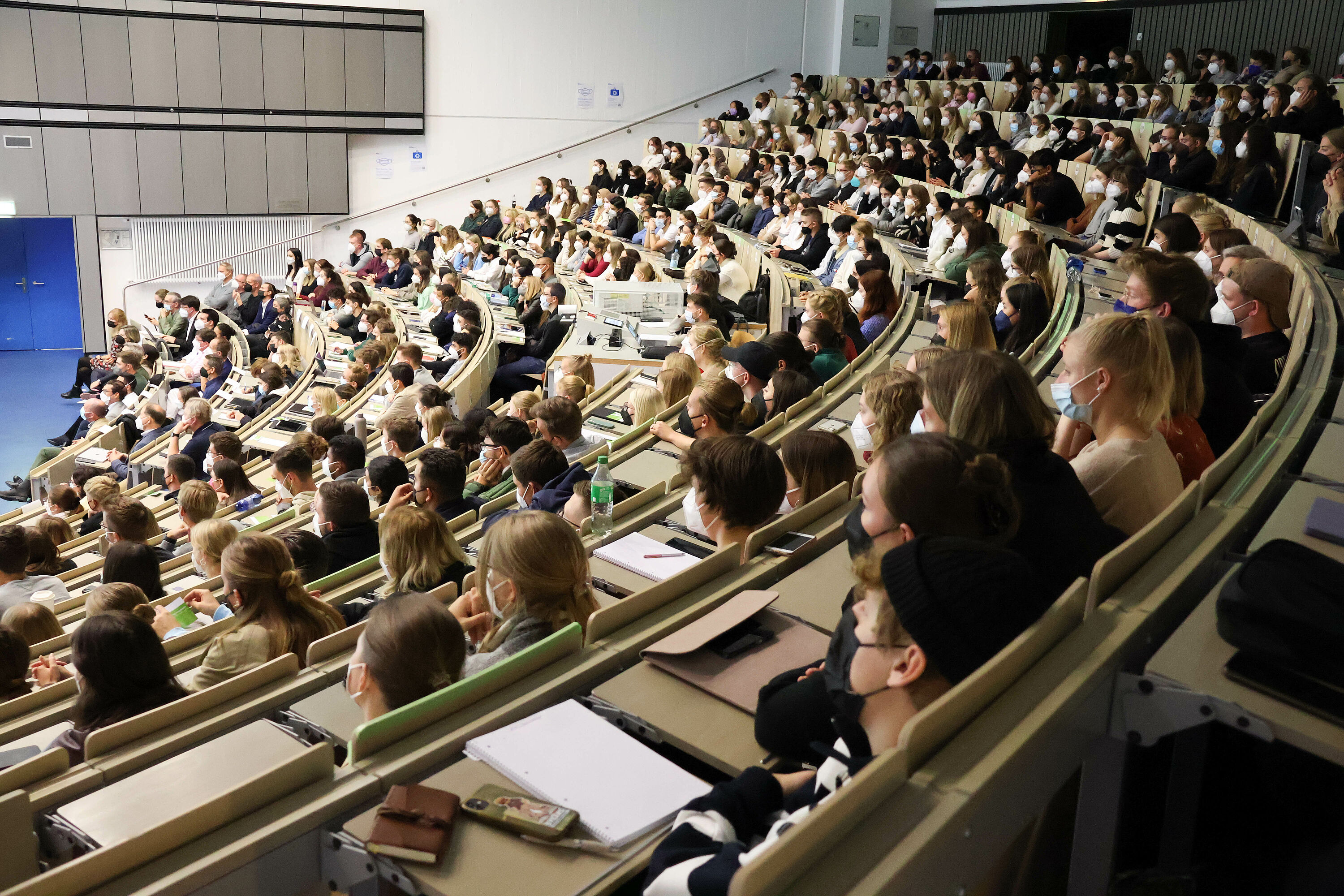
Facilities & Campus Life

Well-equipped Library

Experienced Faculty

Computer Lab

Sports Activities

Heritage Campus


Frequently Asked Questions
Why Consult With Us?
- 15+ years of experience in medical education counseling
- 5000+ students successfully guided
- 50+ partner universities worldwide
- Free initial consultation with no obligation