
Université d'Angers Faculté de Santé

General Information
The Faculté de Santé at the University of Angers is a prominent medical and pharmaceutical hub in Western France. Formed in 2015 by the merger of the Faculties of Medicine and Pharmacy, it is now a unified center for health excellence. It is particularly distinguished by its PluriPASS system a unique take on the French medical entry year and its leadership in simulation-based pedagogy.
General Info
- Established: Medical education traces back to the 15th century; the modern faculty was revamped in 2015.
- Location: Campus Santé, Rue Haute de Reculée, 49000 Angers.
- Academic Model: PluriPASS (a specific version of PASS/L.AS).
- PluriPASS: A multidisciplinary first year designed to offer students "diversified success." If a student doesn't enter medicine, their credits are highly transferable to other science and law degrees.
- Admission Capacity : * Medicine: 110 places
- Pharmacy: 39 places
- Odontology: 10 places
- Maieutics (Midwifery): 14 places
- Physiotherapy: 13 places
- Instruction: 100% French. A B2/C1 level is strictly required, especially for clinical rotations where patient interaction is constant.
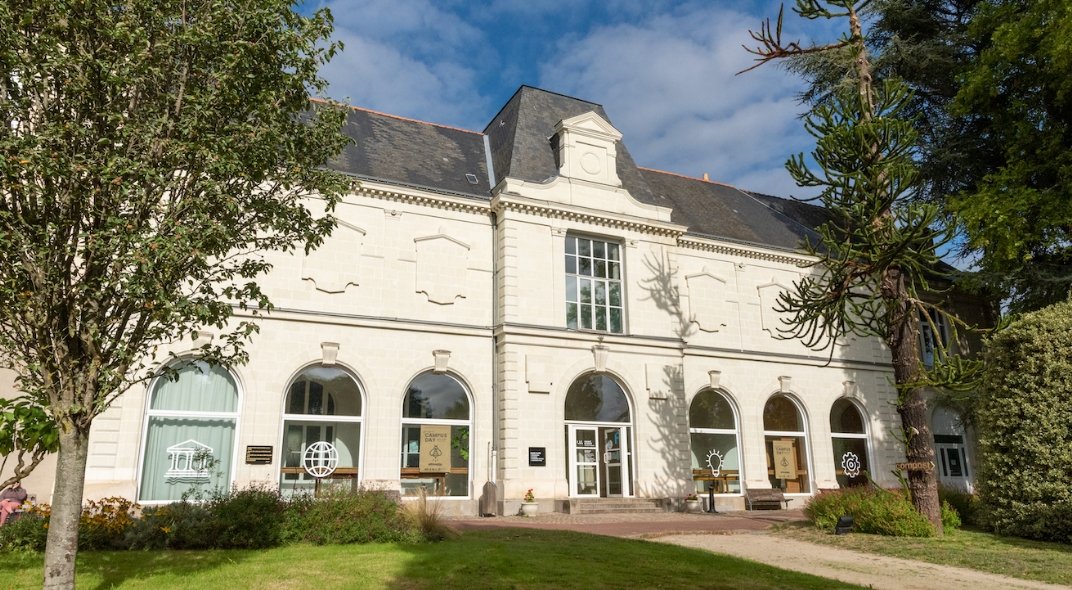
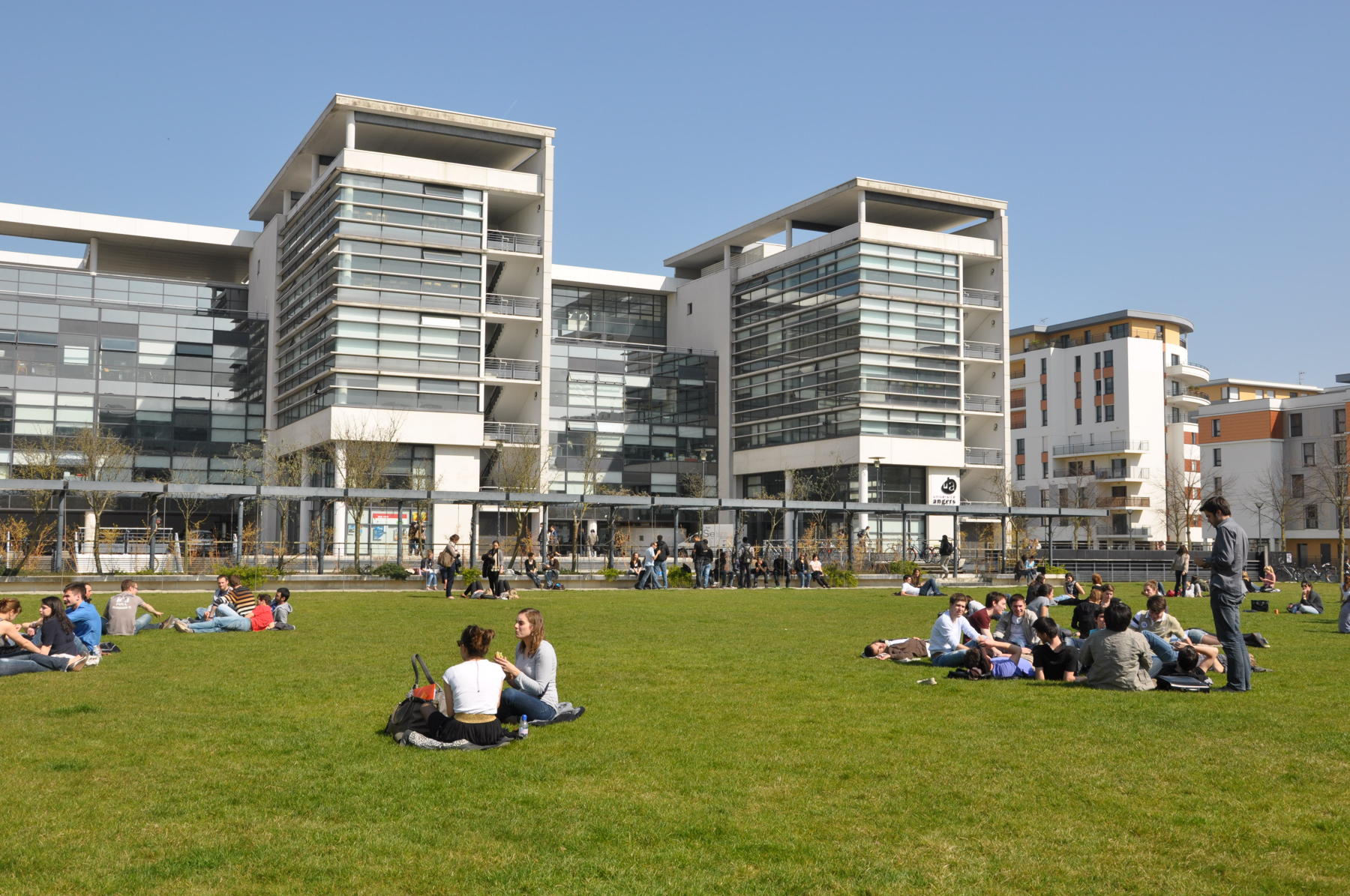
Campus Facilities
The faculty is located on the Health Campus, conveniently adjacent to the University Hospital (CHU Angers).
- All’Sims (Simulation Center): A top-tier innovation hub featuring high-fidelity simulation. Its motto is "Never the first time on a patient."
- Includes virtual dissection tables, interventional radiology simulators, and VR suites.
- PluriPASS Learning Center: A dedicated space for first-year students to facilitate the transition from high school to the rigors of medical university.
- Mitochondrial Biology Research: The faculty is a world leader in mitochondrial research, housing specialized INSERM and CNRS units.
- Health Library (BU Santé): Noted for having some of the most extensive opening hours in France (open on Sundays), providing a quiet sanctuary for intensive study.
- Immersion Days: For, the faculty runs "M'essayer c'est m'adopter" (Feb 16–20), allowing prospective students to experience real lectures before applying.
- Immuno-Hemato-Oncology Hub: A major research focus supported by the nearby cancer centers and university hospital labs.
- 3D Bio-Printing Lab: Advanced facilities exploring tissue engineering and therapeutic targeting.
- Digital Health Department: Focuses on the integration of big data and AI in primary care.
- Research Summer Schools: Every June, the faculty hosts international summer schools in English focused on Vascular, Data & Health, and Simulation.
- The "Passerelle": A one-stop-shop helpdesk for international students, providing administrative and logistical support.
Hospital & Medical Facilities
Leading tertiary care hospital attached to the institution
The primary partner is the CHU d'Angers, a massive hospital complex and the city’s largest employer:
- Main Site (Centre-Ville): Over 1,500 beds across all medical and surgical specialties.
- Maternity Center: One of the most active in the region for high-risk pregnancies.
- Vision & Eye Hub: Highly specialized units for ophthalmology and visual sciences.
Fee Structure
State University Affordability
Note: In a landmark decision, the University of Angers waives differentiated fees for non-EU students. International students pay the same low rates as French/EU students.
Scholarship
- Eiffel Excellence Scholarship: Provides 1,181€/month.
- University Merit Exemptions: Automatically applied to most international students at UA.
- CAF Housing Subsidy (APL): International students are eligible to receive between €100 and €250/month back on their rent.
- Buddy System: A sponsorship program where international students are paired with local "buddies" to help them settle into the city.
City Details
- The Vibe: A historic city in the Loire Valley, famous for its castle, tapestries, and world-class vineyards. It is a "human-scale" city with 26,000 students.
- Connectivity:
- Train: Only 90 minutes from Paris via high-speed TGV.
- Tramway: The campus is directly linked to the city center and train station by the tram network.
- Bikes: Over 500 km of cycle paths; the university even offers bike rentals as part of some programs.
Hostel & Mess
- Accommodation: Managed by CROUS Nantes-Pays de la Loire. Popular residences near the faculty include Mathilde Alanic. Rent: 350 € - 600 €.
- Dining: 3 main dining halls (Resto' U) offering full meals for 3.30 €.
- Cost of Living: Angers is known for its high quality of life at a moderate cost. Total monthly budget: 750 € - 900 €.
- Vibe: Consistently ranked as one of the best cities to live in France, Angers is green, bike-friendly, and student-centric.
Miscellaneous
- NRI Seats: None. Admission is strictly merit-based.
- Entrance Requirements: Non-EU students must apply via Campus France.
- Success Rate: Approximately 21.6% of students in Pluri PASS access the 2nd year of health studies.
Collage Images Gallery
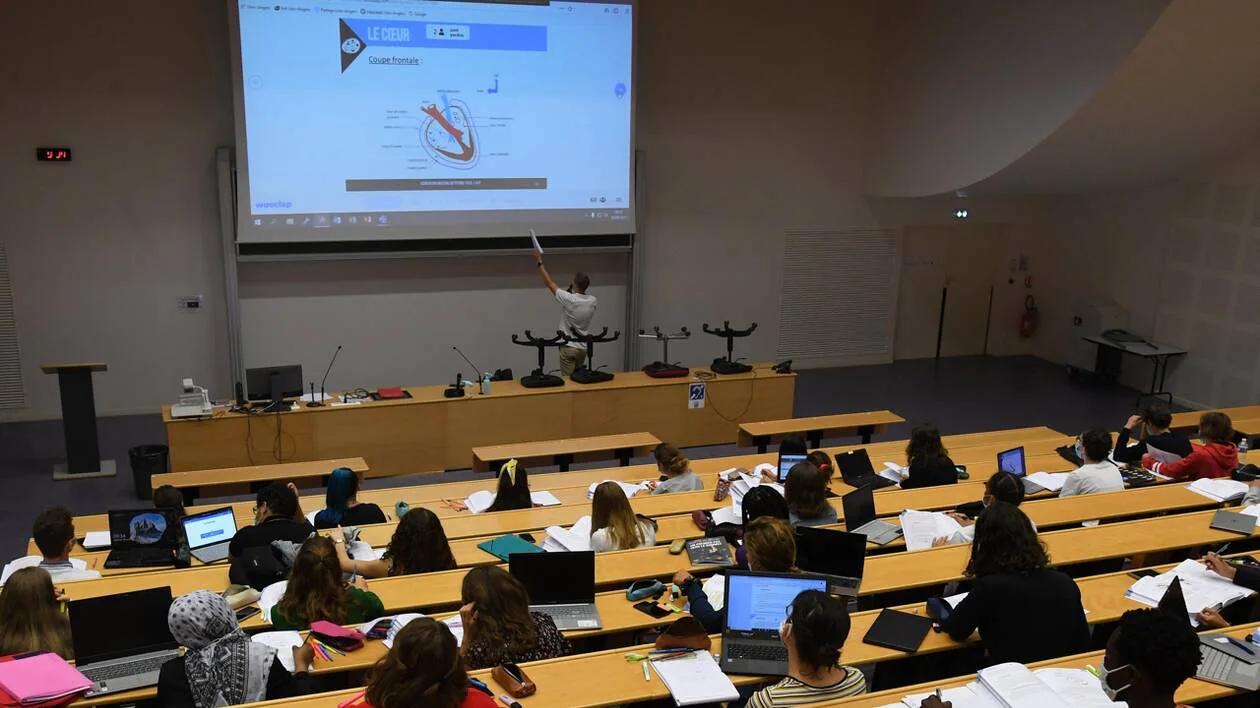
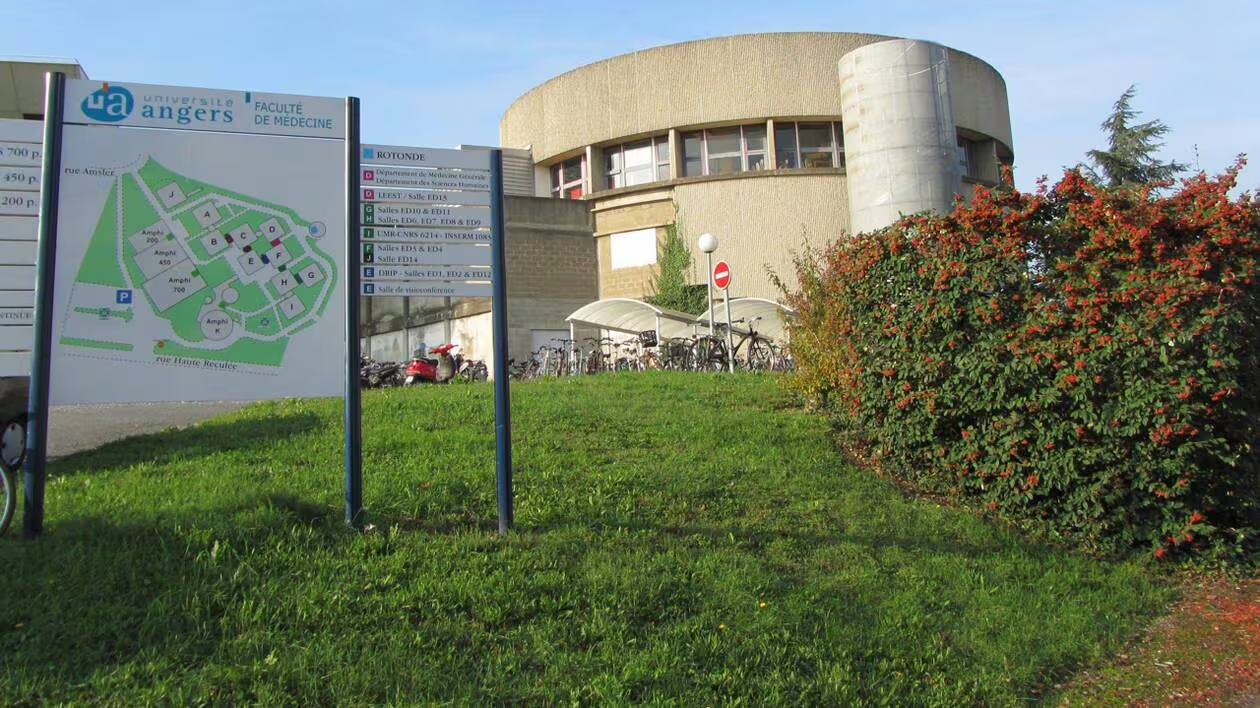

Facilities & Campus Life

Well-equipped Library

Experienced Faculty

Computer Lab

Sports Activities

Heritage Campus


Frequently Asked Questions
Why Consult With Us?
- 15+ years of experience in medical education counseling
- 5000+ students successfully guided
- 50+ partner universities worldwide
- Free initial consultation with no obligation