


Université d'Antananarivo Faculté de Médecine

General Information
The Faculté de Médecine at the University of Antananarivo, established in its modern form in 1961, is the oldest and most prestigious medical school in Madagascar. It is located on the Ankatso Campus and is the primary institution responsible for training the nation’s medical, pharmaceutical, and paramedical elite.
General Info
- Primary Location: Ambohitsaina Campus (Ankatso), Antananarivo 101, Madagascar.
- Degree Awarded: Diplôme d'État de Docteur en Médecine (Doctor of Medicine).
- Program Duration: Approximately 8 years for general medicine (including pre-clinical, clinical, and residency/thesis defense).
- Language of Instruction: French.
- Admission: Entry is based on a highly competitive national entrance exam for the PACES (Première Année Commune aux Études de Santé) program.
Campus Facilities
The faculty benefits from both the centralized university resources and dedicated research centers.
- Ibn Sina Complex: The primary building for medical lecture theaters and seminar rooms.
- Centre d’Infectiologie Charles Mérieux (CICM): A flagship laboratory for research in infectious diseases and molecular biology.
- LARTIC Laboratory: A specialized hub for research into health information technologies and telemedicine.
- Anatomy Lab: Facilities for cadaveric dissection and morphology, essential for the pre-clinical years.
- Medical Library (BU): A specialized section within the central library with access to French and international clinical journals.
- Simulation Units: Recently updated facilities (supported by projects like InfPrev4Africa) with mannequins for nursing and clinical skills.
- Neuroscience & LBM Labs: Dedicated research sites focusing on neurology and medical biology.
- ICT Hub: High-speed internet access for students to use digital medical databases.
- University Stadium: Shared facilities for physical education and inter-faculty sports.
- Student Service Center: Provides administrative support, orientation, and social services.
Hospital & Medical Facilities
Leading tertiary care hospital attached to the institution
Clinical training is conducted at the major Centres Hospitaliers Universitaires (CHU) in the capital:
- CHU Joseph Ravoahangy Andrianavalona (HJRA): The largest referral hospital in the country, used for surgery, emergency medicine, and oncology.
- CHU Joseph Raseta Befelatanana (HUJRB): The main site for training in internal medicine, cardiology, and infectious diseases.
- CHU Soavinandriana (CENHOSOA): A military-run university hospital providing rotations in specialized surgery and cardiovascular care.
- CHU Pavillon Sainte Fleur: A modern maternal and child health center used for Obstetrics and Gynecology.
- Centre de Neurologie Antanimora: Specialized site for clinical training in neurology.
Fee Structure
State University Affordability
As a state-funded institution, fees are heavily subsidized for Malagasy citizens.
Scholarship
- National Scholarships (Bourses Nationales): Managed by the CROUA; awarded based on academic merit and social need.
- Health Reimbursements: Scholarship holders are eligible for subsidized healthcare at university-affiliated hospitals.
- International Mobility: Partnerships with the AUF (Agence Universitaire de la Francophonie) and French universities (e.g., Grenoble, Bordeaux) provide grants for senior electives.
- Research Grants: Available through the CICM and Fondation Mérieux for postgraduate students in infectious disease research.
City Details
- The Vibe: Antananarivo is a bustling, high-altitude city. The Ankatso area is a student-centric district surrounded by markets and bookshops.
- Connectivity:
- Transport: Served by "Taxi-be" (minibuses). Routes like the 119 and 160 connect Ankatso to the city center.
- Safety: The campus is generally secure during the day, though standard urban precautions are advised at night.
Hostel & Mess
- Accommodation: Students reside in the Cités Universitaires (like Ankatso I and II). These are high-density residential blocks located adjacent to the faculty buildings.
- Dining: Several university "restos" offer low-cost traditional Malagasy meals (Vary sy laoka).
- Vibe: Highly active and politically engaged. The FMSA (Faculty of Medicine Students Association) organizes the "Medical Week" and local community health camps.
- Culture: The university hosts a vibrant community with debate clubs, sports teams, and cultural festivals.
Miscellaneous
- Admission Path: High school graduates (Bacc C, D, or S) must pass the national entrance exam to enter PACES.
- Graduation Requirement: Students must complete a clinical internship and defend a doctoral thesis (Thèse de Doctorat d'État) to practice.
Collage Images Gallery
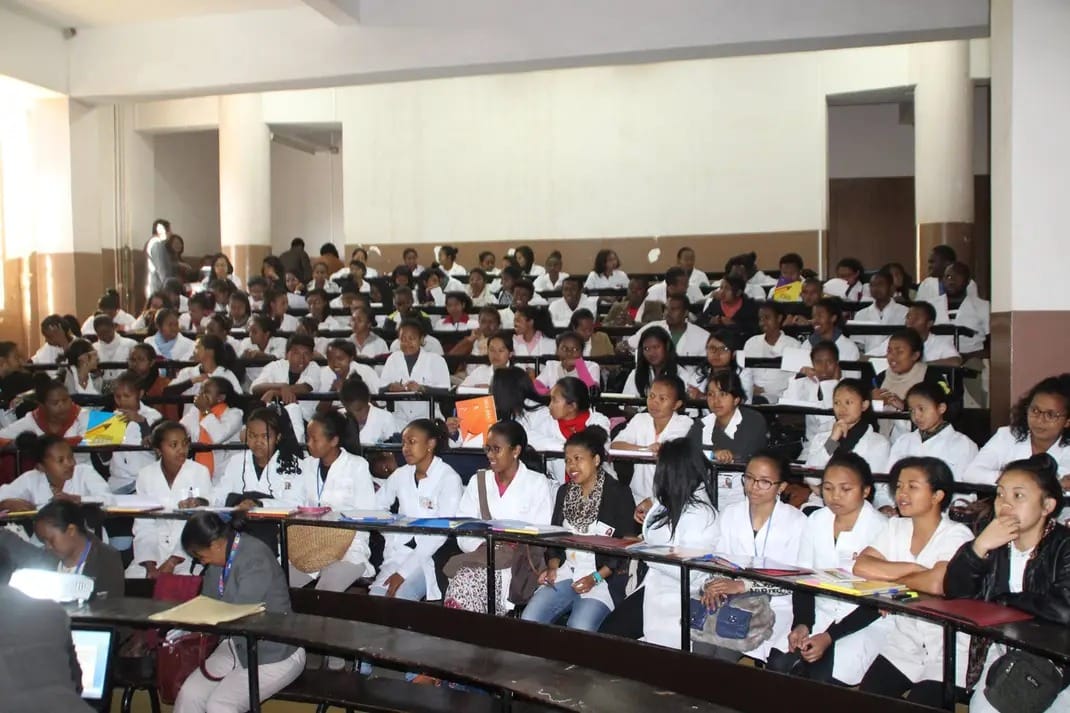
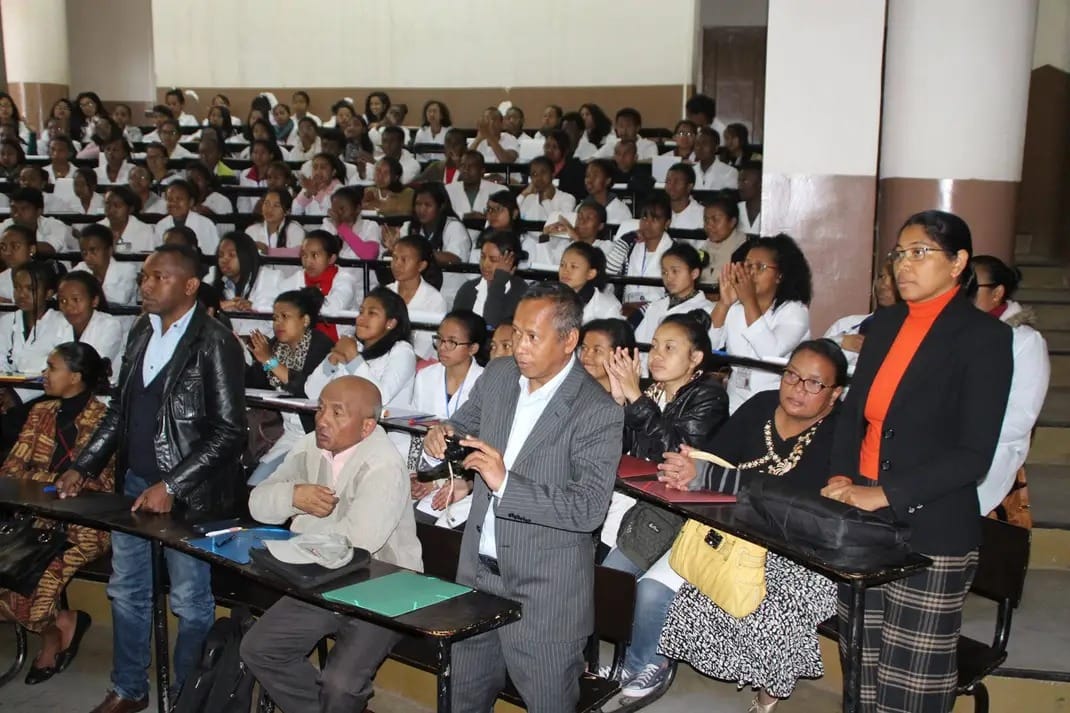
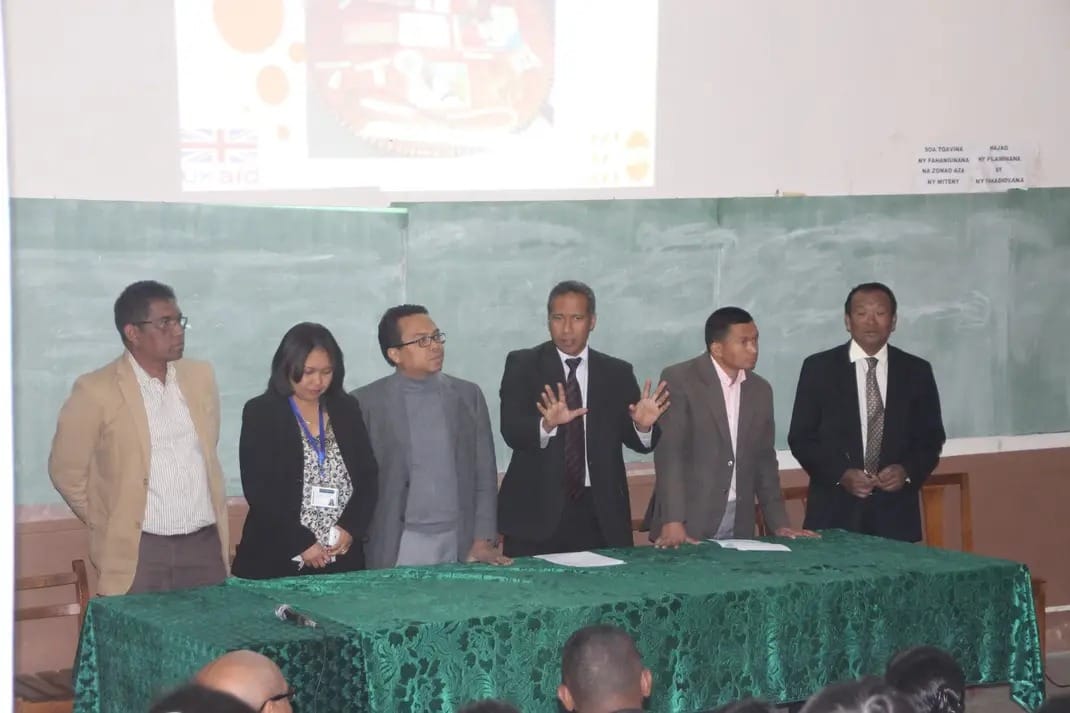
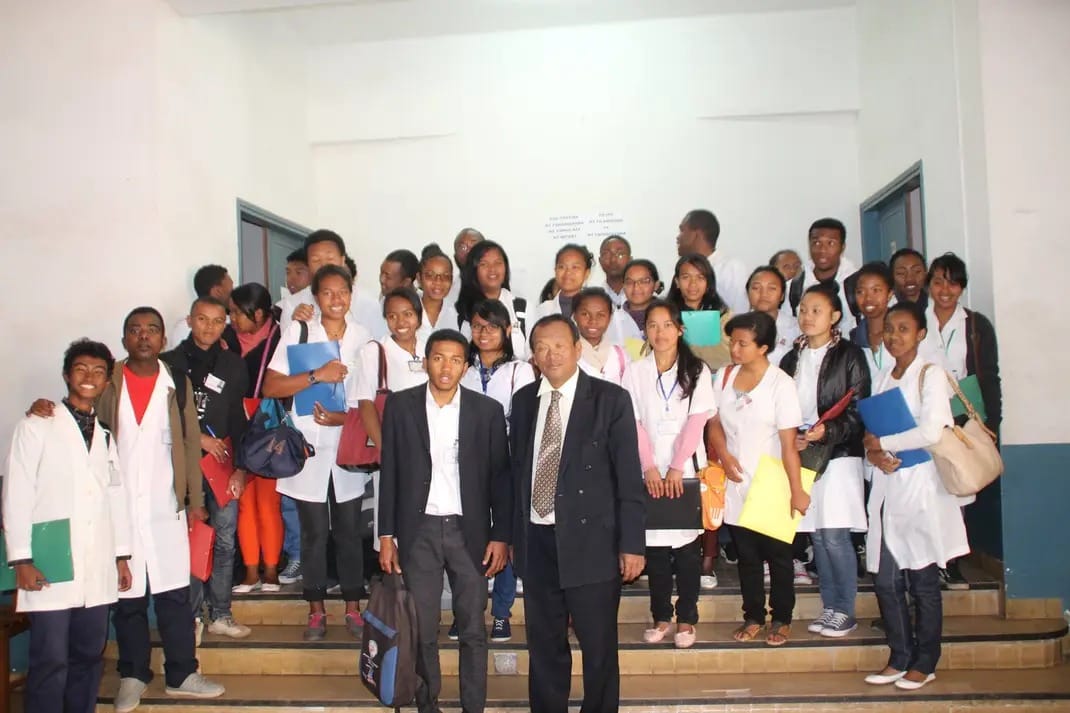
Facilities & Campus Life

Well-equipped Library

Experienced Faculty

Computer Lab

Sports Activities

Heritage Campus


Frequently Asked Questions
Why Consult With Us?
- 15+ years of experience in medical education counseling
- 5000+ students successfully guided
- 50+ partner universities worldwide
- Free initial consultation with no obligation