
Université de Strasbourg Faculté de Médecine Strasbourg

General Information
The Faculté de Médecine de Strasbourg is one of France's most prestigious and historic medical institutions. Located in the heart of Alsace, it is a key component of the Université de Strasbourg, an elite research university (IdEx) with a legacy of 18 Nobel Laureates. The faculty is unique for its LSpS entry system a departure from the standard French PASS/L.AS and its leadership in medical innovation, particularly in minimally invasive surgery.
General Info
- Established: 1538 (Founding of the Sturm Gymnasium); 1621 (Elevation to University); 1794 (Modern Health Schools).
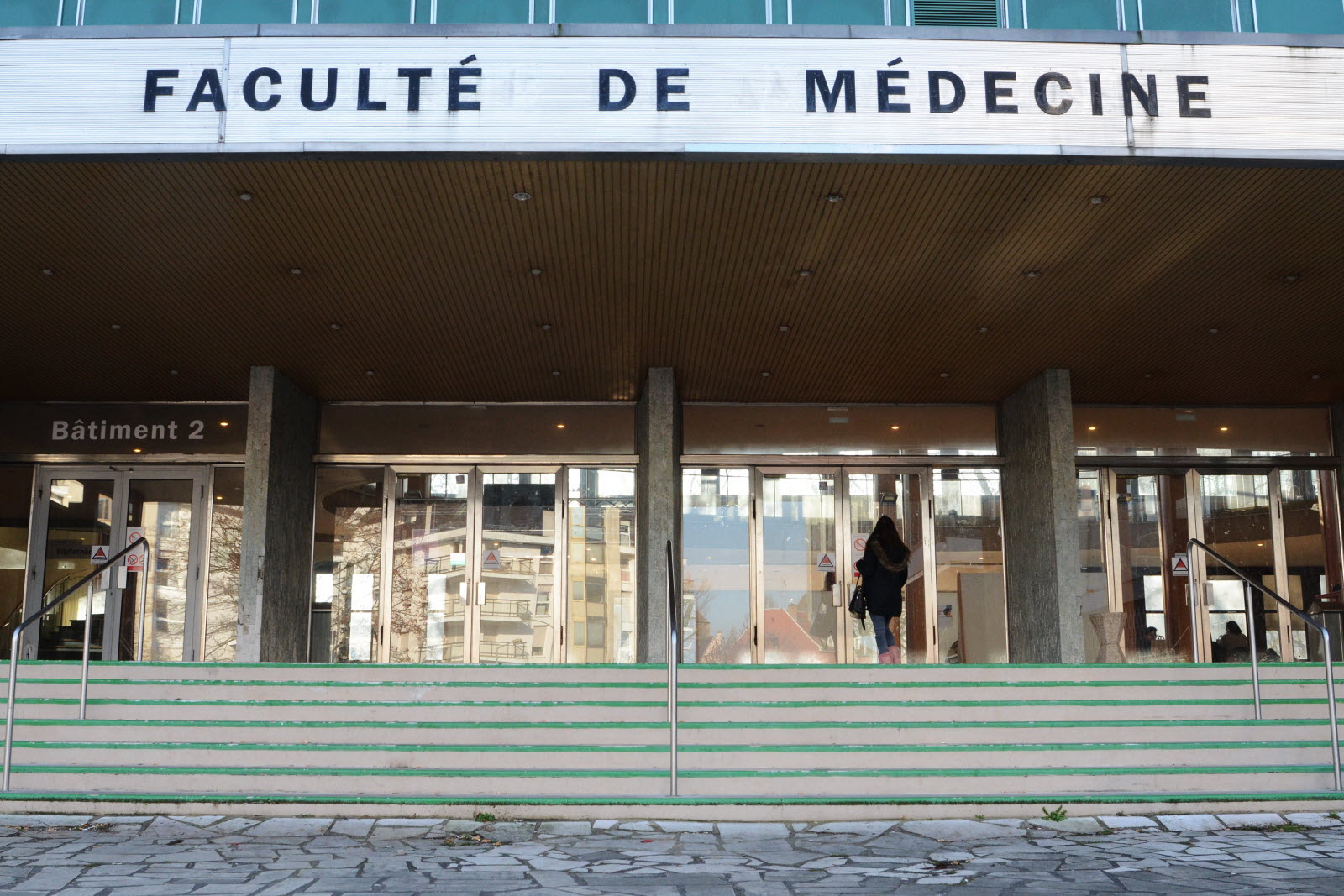
- Location: 4 Rue Kirschleger, 67085 Strasbourg (Campus Médecine).
- Academic Model (LSpS): Strasbourg does not offer PASS or L.AS. It uses the Licence Sciences pour la Santé (LSpS).
- LSpS: A single integrated bachelor's degree with 11 different "parcours" (disciplinary tracks). Students must validate 60 ECTS and score ≥10/20 in the "Health Bloc" to be eligible for 2nd-year medical studies.
- Capacity (Intake):
- Medicine: 319 total places (189 for L1 students).
- Pharmacy: 144 total places.
- Odontology: 78 total places.
- Maieutics (Midwifery): 34 total places.
- Instruction: 100% French. Level B2 or C1 proficiency is mandatory.
- Ranking: Part of the Top 150 globally (Shanghai Ranking) and #12 in France.
Campus Facilities
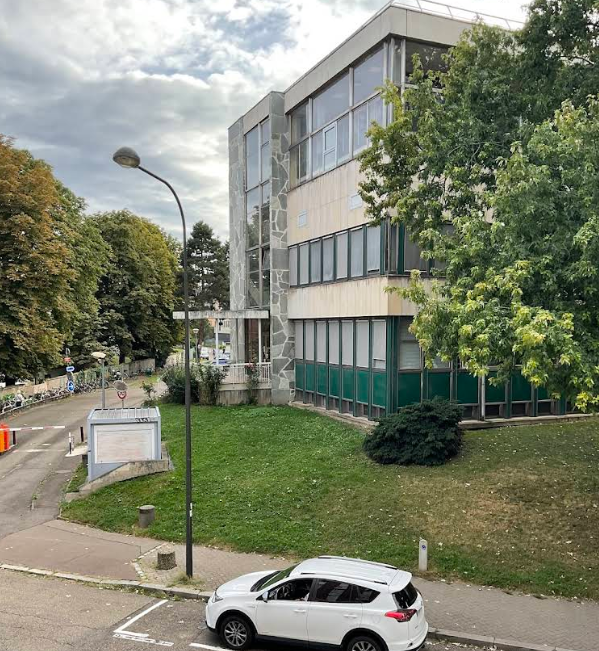
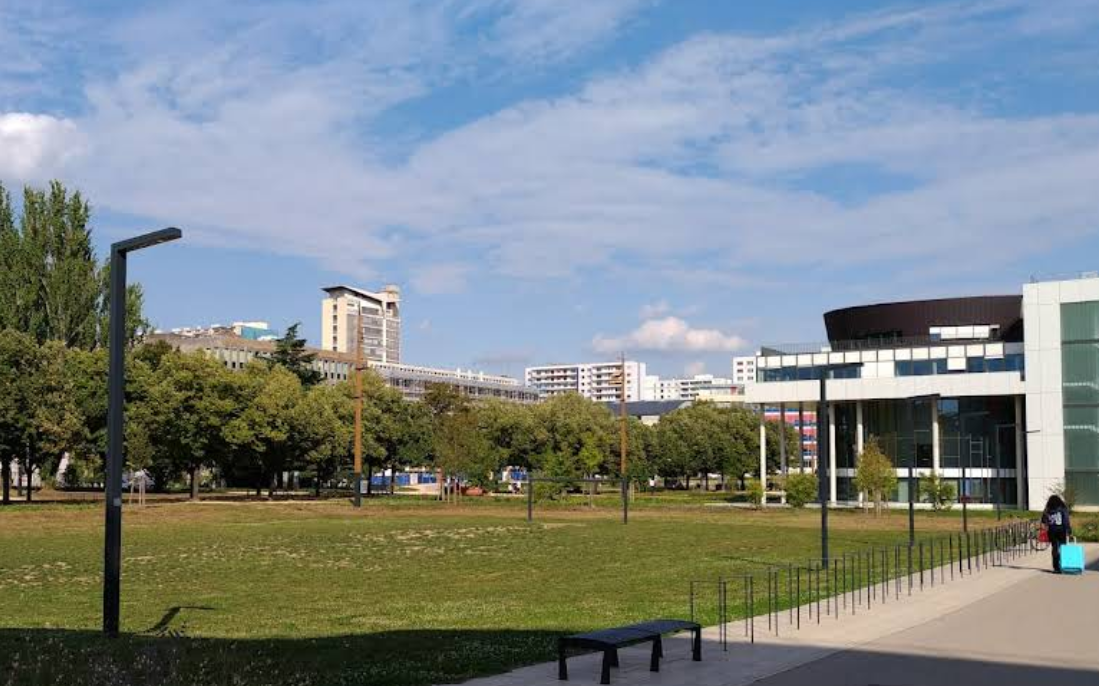
The Medicine Campus is located in the Hôpital Civil district, blending historic architecture with ultra-modern research facilities.
- UNISIMES (Simulation Center): The European Health Simulation Unit is a premier training hub. It uses high-fidelity mannequins, virtual patients, and role-playing to train students in everything from basic nursing care to complex surgical crises.
- IRCAD: A world-leading center for Minimally Invasive Surgery located on-site. While a private institute, it maintains close pedagogical ties with the faculty for surgical training.
- IHU Strasbourg: The Institute of Image-Guided Surgery, focusing on the hybrid of endoscopy and surgery, offering students exposure to cutting-edge medical robotics.
- Digital Anatomy Lab: Features 3D virtual dissection tables (Anatomage), used extensively in the LSpS curriculum to bridge the gap between theory and clinical reality.
- Health Library (BU Santé): Located in the "Mediatheque" area, it provides quiet study zones and massive digital access to clinical and research databases.
- CYCERON & Research Hubs: Significant research focus on neurosciences, immunology, and public health.
- MedTech Robotics: Access to the latest robotic surgery systems (Da Vinci) for senior residents and doctoral students.
- Computerized Exam Center: A dedicated digital hall for secure, tablet-based National Medical Ranking Exams (EDN).
- LSpS Oral Prep: The faculty integrates social science and iconography analysis into its oral exams to ensure students have strong communication skills.
- EUGLOH Alliance: Participation in the European University Alliance for Global Health, offering international mobility and interdisciplinary projects.
Hospital & Medical Facilities
Leading tertiary care hospital attached to the institution
Clinical training is conducted at the Hôpitaux Universitaires de Strasbourg (HUS):
- Nouvel Hôpital Civil (NHC): A futuristic hospital center housing heart, lung, and internal medicine departments.
- Hôpital de Hautepierre: The hub for trauma, pediatrics, neurosurgery, and oncology.
- Hôpital de l'Elsau: Specialized in geriatric medicine and psychiatric care.
- Centre Paul Strauss: One of France’s leading regional cancer centers, specialized in radiotherapy and precision oncology.
Fee Structure
State University Affordability
Strasbourg is a public university. While "differentiated fees" for non-EU students exist in France, the University of Strasbourg has historically offered partial waivers to many international students.
Scholarship
- Eiffel Excellence Scholarship: Applications close in January. Provides 1,181 €/month plus travel for top international applicants.
- University Foundation Scholarships: The Fondation Université de Strasbourg provides aid up to €27,000 over 3 years for students in economic difficulty.
- CAF Housing Subsidy (APL): A government grant available to all students, refunding €150–€300/month on rent.
- Erasmus Mundus: Specific grants (up to €1,400/month) for students in joint programs like Chemoinformatics+ or Global Health.
City Details
- The Vibe: Strasbourg is the capital of the Grand Est region. It’s a "bicycle city" with one of the best tram networks in Europe.
- Connectivity:
- Train: 1 hour 45 minutes to Paris via TGV. Directly connected to Germany (Karlsruhe/Stuttgart).
- Tramway: The campus is served by Lines A and D (Station: Porte de l'Hôpital).
- Safety: Very high. The campus area and "Petite France" district are safe and pedestrian-friendly.
Hostel & Mess
- Accommodation: Managed by CROUS de Strasbourg. Popular residences like Paul Appell or Somme are near the campus. Rent: €350 - €650/month.
- Dining: "Resto U" (University Restaurants) like Paul Appell or L'Escarpe provide full meals for 3.30 € (or 1 € for eligible students).
- Cost of Living: High, as Strasbourg is a European capital and tourism hub. Total monthly budget: €900 - €1,200.
- Vibe: A vibrant, international city (Home to the European Parliament) with a safe, bike-friendly environment and a mix of French and German culture.
Miscellaneous
- NRI Seats: None. Admission is strictly merit-based via the LSpS competitive system.
- Entrance Requirements: Non-EU students must apply via the "Études en France" (Campus France) portal.
- International Track: Many doctors in Strasbourg are bilingual (French/German/English), making it a great site for international clinical exchange.
- Language Requirement: C1 French is strongly recommended for the LSpS oral exams, which include complex humanities and social science components.
Collage Images Gallery

Facilities & Campus Life

Well-equipped Library

Experienced Faculty

Computer Lab

Sports Activities

Heritage Campus


Frequently Asked Questions
Why Consult With Us?
- 15+ years of experience in medical education counseling
- 5000+ students successfully guided
- 50+ partner universities worldwide
- Free initial consultation with no obligation