
Université des Sciences, des Techniques et des Technologies de Bamako Faculté de Médecine

General Information
The Faculté de Médecine et d'Odontostomatologie (FMOS) is a component of the Université des Sciences, des Techniques et des Technologies de Bamako (USTTB). It is the leading medical institution in Mali, renowned for its extensive research in tropical diseases, particularly malaria, and its robust clinical training programs.
General Info
- Primary Location: Point G Hill, Bamako, Mali (Administrative offices at Hamdallaye ACI 2000).
- Degree Awarded: Diplôme d'État de Docteur en Médecine (Doctor of Medicine).
- Program Duration: 7 years (7ème année involves the thesis defense).
- Language of Instruction: French.
- Admission: Highly competitive; requires a Malian Baccalauréat (Séries TSE, TSExp) or an equivalent foreign diploma. An entrance exam is mandatory for most tracks.
- Reputation: Home to world-class research units like the MRTC (Malaria Research and Training Center).
Campus Facilities
The faculty is located on the iconic Point G Hill, overlooking Bamako, which serves as a medical hub.
- Point G Campus: The primary site for lecture halls, laboratories, and faculty administration.
- Malaria Research and Training Center (MRTC): A globally recognized center for malaria research, vaccine trials, and entomology.
- Centre d’Infectiologie Charles Mérieux (CICM): A state-of-the-art laboratory for molecular biology and diagnostic training.
- Human Anatomy Lab: Dedicated facilities for dissection and morphological studies.
- Scientific Library: Access to specialized medical literature and digital databases supported by international partners (e.g., NIH, WHO).
- ICT and E-Learning Hub: Supports digital courses, including the DU (University Diploma) in Telemedicine.
- Department of Public Health (DERSP): A specialized wing for health informatics and epidemiology.
- Simulation Units: Infrastructure for clinical skills training using medical models.
- Doctoral School (EDSTM): Administrative oversight for PhD students in health and life sciences.
- Student Service Center: Manages university grants and administrative records.
Hospital & Medical Facilities
Leading tertiary care hospital attached to the institution
The FMOS is deeply integrated with Mali’s national referral hospitals (CHU):
- CHU Point G: Located adjacent to the faculty; the primary teaching hospital for surgery, oncology, and internal medicine.
- CHU Gabriel Touré: Located in the city center; the main site for pediatrics, emergency medicine, and neonatology.
- CHU IOTA (Institut d'Ophtalmologie Tropicale de l'Afrique): A regional center of excellence for training in ophthalmology.
- CHU CNOS (Centre National d'Odonto-Stomatologie): The primary practical training site for dentistry students.
- CHU du Luxembourg (Mère-Enfant): A modern facility focused on maternal and child health rotations.
Fee Structure
State University Affordability
As a public institution, fees are largely subsidized for Malian nationals, though costs for international students vary.
Scholarship
- National Grants (Bourse Nationale): Awarded by the CENOU (Centre National des Œuvres Universitaires) based on academic criteria and social need.
- Merit Scholarships: Available for top-performing students, sometimes reaching $1,200/year.
- International Mobility: Senior students and residents may access grants through the AUF (Agence Universitaire de la Francophonie) for electives in France or Canada.
- Research Assistantships: Available for PhD and Master’s students working within the MRTC or CICM.
City Details
- The Vibe: Bamako is a vibrant, bustling city along the Niger River. The Point G area offers a panoramic view and a slightly cooler climate than the city center.
- Connectivity:
- Transport: "Sotrama" (green minibuses) connect Point G to the "Grand Marché" and ACI 2000.
- Accessibility: High. Many specialized medical pharmacies and bookstores are located at the base of the hill.
- Safety: The university area is generally safe, though students are advised to avoid isolated paths on the hill after dark.
Hostel & Mess
- Accommodation: Most students live in the Campus du Point G or the Cité Universitaire. These are high-demand residential areas near the hospitals.
- Dining: University "Restos" provide subsidized meals (Riz au gras, Tchep). Local "Kiosques" surrounding Point G are popular for quick meals.
- Vibe: Highly academic with a strong sense of community. The AEEM (Student Union) is very active in negotiating student welfare.
- Traditions: The "White Coat Ceremony" and the annual Congress of Medical Students are major social and professional milestones.
Miscellaneous
- Admission Deadline: Typically in August/September via the CampusMali portal.
- International Quota: The school admits a specific number of students from neighboring countries (Burkina Faso, Niger, Guinea).
Collage Images Gallery
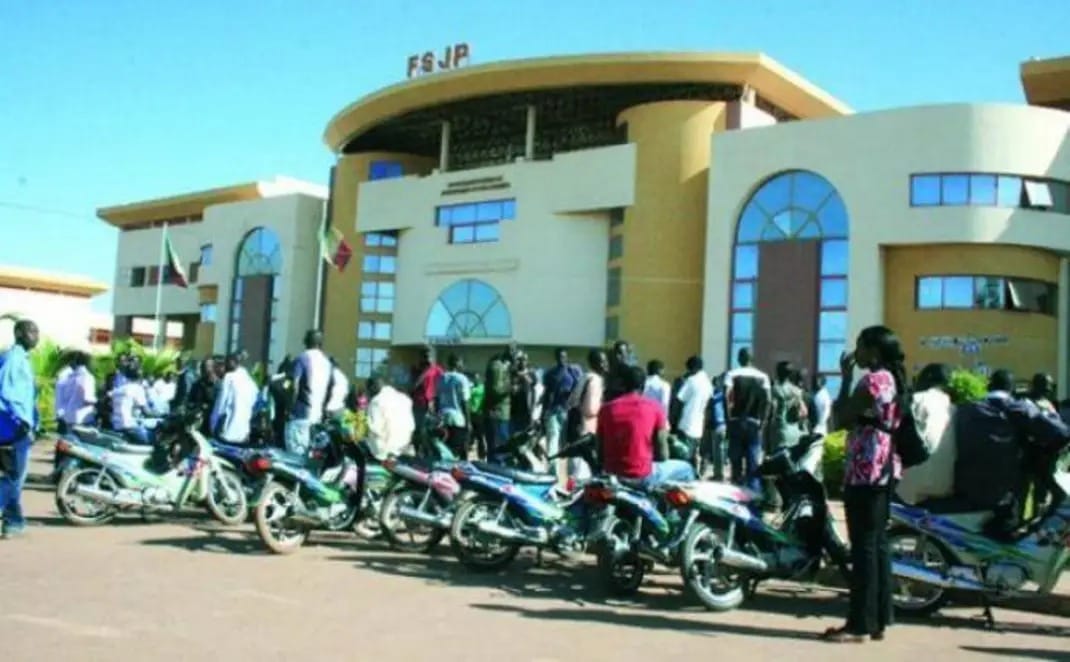
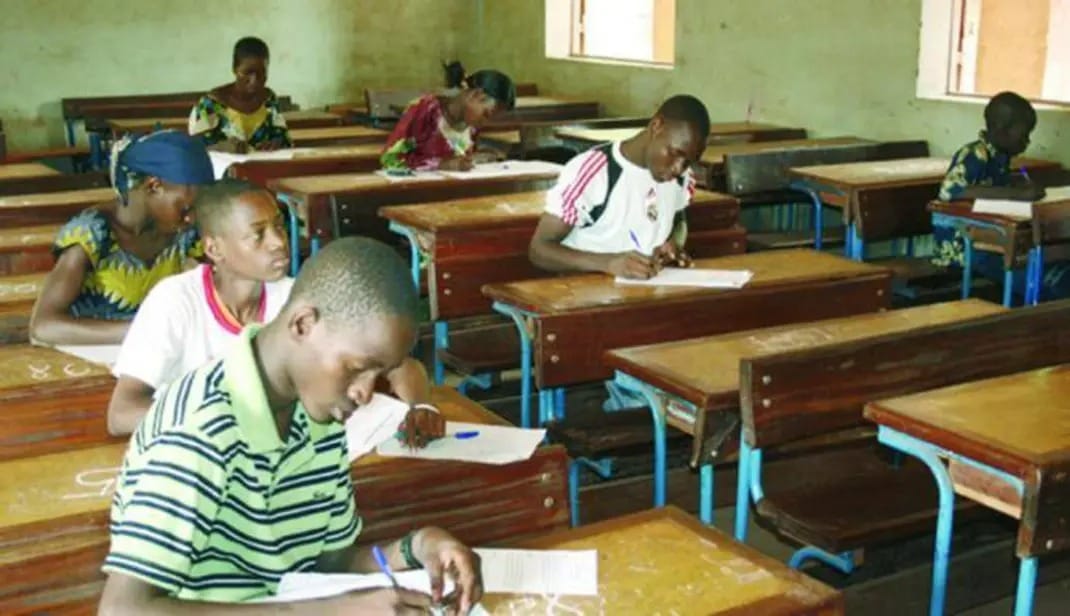
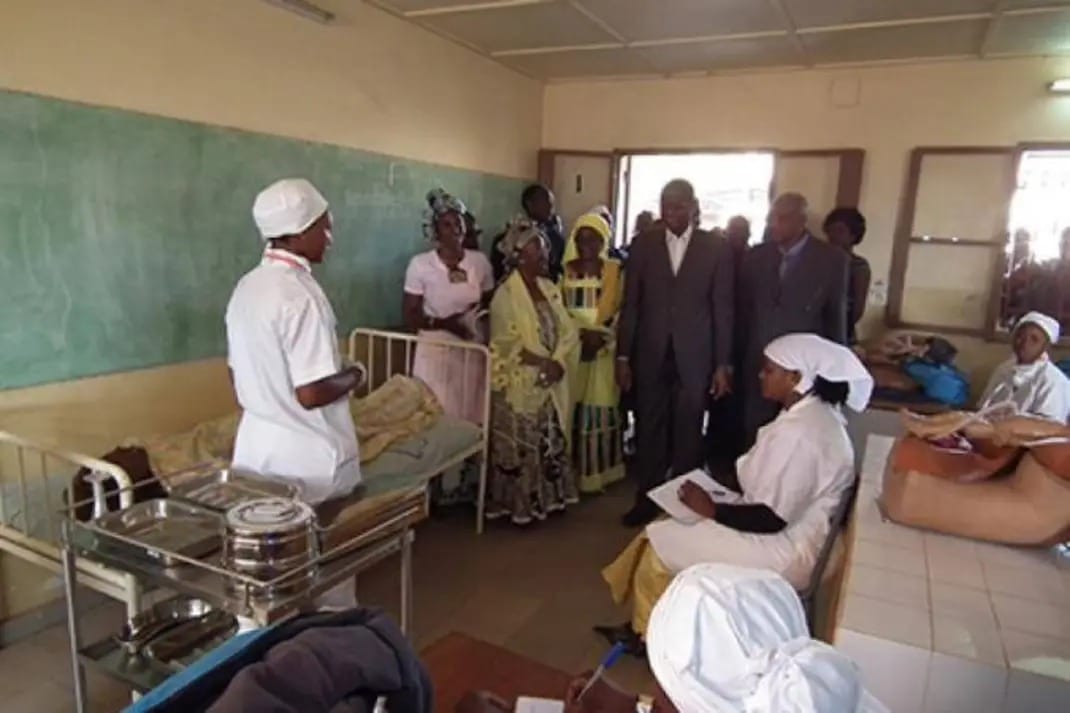

Facilities & Campus Life

Well-equipped Library

Experienced Faculty

Computer Lab

Sports Activities

Heritage Campus


Frequently Asked Questions
Why Consult With Us?
- 15+ years of experience in medical education counseling
- 5000+ students successfully guided
- 50+ partner universities worldwide
- Free initial consultation with no obligation