

University of Adelaide Faculty of Health and Medical Sciences

General Information
The Adelaide Medical School at the University of Adelaide is one of Australia’s oldest and most prestigious, established in 1885. In 2026, the University of Adelaide and the University of South Australia will officially merge to form the new Adelaide University, which is already ranked in the global top 100.
General Info
Established: 1885 (Original medical school).
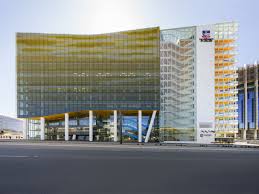
Location: Adelaide Health and Medical Sciences (AHMS) Building, North Terrace, Adelaide.
Degree Awarded: Bachelor of Medical Studies + Doctor of Medicine (MD).
Duration: 6 years (3-year Bachelor + 3-year MD).
Language of Instruction: English.
Accreditation: Accredited by the Australian Medical Council (AMC). Degrees are recognized by the NMC (India), ECFMG (USA), and GMC (UK).
Campus Facilities
AHMS Building: A $246 million flagship facility located in the Adelaide BioMed City precinct. It features the most technologically advanced simulation facilities in Australasia.
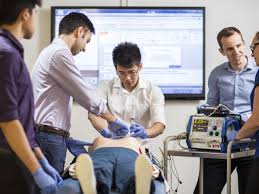
Adelaide Health Simulation: A world-class center that mirrors the Royal Adelaide Hospital environment, featuring high-tech manikins and simulated surgical suites.
Ray Last Laboratories: Specialized labs for anatomy and surgical skills, using both virtual and traditional wet-lab cadaveric teaching.
The New "Adelaide University" (2026): Students starting in 2026 will be part of the inaugural classes of the merged institution, benefiting from an even broader range of research and clinical partnerships.
Hospital & Medical Facilities
Leading tertiary care hospital attached to the institution
Royal Adelaide Hospital (RAH): Located directly adjacent to the AHMS building, this 800-bed facility is the largest hospital in South Australia and the school's primary teaching site.
Affiliated Hospitals:
The Queen Elizabeth Hospital (TQEH): A major acute-care referral hospital.
Women's and Children's Hospital (WCH): Specialist training in pediatrics and obstetrics.
Lyell McEwin Hospital (LMH): Serving the growing population in Adelaide's north.
Rural Clinical School: Students can complete clinical placements in regional hubs like Whyalla, Mount Gambier, Port Augusta, and Port Lincoln.
Fee Structure
State University Affordability
Tuition fees for the 6-year program are quoted annually.
International Tuition Fee (2026): Approx. $99,000 AUD per year.
Domestic (CSP): Commonwealth Supported Places cost approx. $12,700 – $13,500 AUD per year in student contributions.
Other Costs: Students should budget approx. $500 – $1,000 AUD for textbooks, laboratory coats, and stethoscopes.
Medical Insurance (OSHC): Required for international students, costing approx. $600 – $800 AUD per year.
City Details
Vibe: Known as the "20-minute city," Adelaide is famous for its ease of transport, Mediterranean climate, and vibrant festivals. It is consistently ranked as one of the world's most liveable cities.
Transport: International students receive the same travel concessions as domestic students in South Australia, making the bus, tram, and train network very affordable.
Safety: Adelaide is highly safe, with a dedicated "BioMed City" security presence around the North Terrace medical precinct.
Cost of Living: Generally lower than in Sydney, Melbourne, or Brisbane.
Hostel & Mess
Residential Colleges (e.g., St Mark’s, Aquinas, Lincoln): These are located in North Adelaide, just a short walk or shuttle ride from the Medical School.
Cost: $500 – $600 AUD per week.
Mess/Dining: These colleges are fully catered (21 meals per week), which is a major convenience for medical students.
Student Accommodation (e.g., Scape, UniLodge): Modern, high-rise apartments in the CBD.
Cost: $350 – $600 AUD per week.
Dining: These are self-catered, though they often feature communal kitchens and social events with food.
Food Budget: For students not in catered colleges, groceries and basic eating out typically cost $150 – $250 AUD per week.
Miscellaneous
Entry Pathway: Direct entry from high school.
Academic Threshold: Minimum ATAR of 90 (domestic) or equivalent (e.g., IB 33+) for international applicants.
Standardized Testing: UCAT ANZ is mandatory. International students must also meet high English standards (IELTS 7.0 with no band < 7.0).
Interview: Selection is based on a ranking of academic results, UCAT scores, and an oral interview (often in MMI format).
NEET (For Indians): Mandatory qualification is required for Indian nationals intending to practice in India after graduation.
Collage Images Gallery

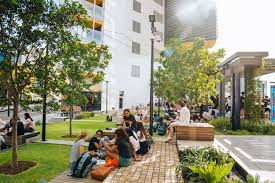
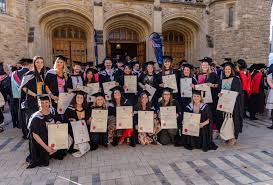
Facilities & Campus Life

Well-equipped Library

Experienced Faculty

Computer Lab

Sports Activities

Heritage Campus


Frequently Asked Questions
Why Consult With Us?
- 15+ years of experience in medical education counseling
- 5000+ students successfully guided
- 50+ partner universities worldwide
- Free initial consultation with no obligation