


University of Alberta Faculty of Medicine and Dentistry

General Information
The Faculty of Medicine & Dentistry at the University of Alberta (U of A) is a top-tier research-intensive institution located in Edmonton. It is known for its social accountability and its role as a primary healthcare hub for Northern Alberta, the Northwest Territories, and the Yukon.
General Info
Established: 1913.
Location: Health Sciences Council, Edmonton, Alberta.
Degree Conferred: Doctor of Medicine (MD).
Duration: 4 Years (Postgraduate entry).
Language of Instruction: English.
Accreditation: Fully accredited by the Committee on Accreditation of Canadian Medical Schools (CACMS).
Quota: Approximately 192 positions are available annually.
Alberta Residents: 85% of seats.
Non-Alberta Residents: 15% of seats.
International Students: U of A generally does not accept international applicants for the MD program (only Canadian Citizens or Permanent Residents).
Campus Facilities
Edmonton Campus: The primary site for the first two years of the program.
Northern Alberta Medical Program (NAMP): A new partnership with Northwestern Polytechnic in Grande Prairie, allowing students to complete their medical training with a focus on rural and Indigenous health.
Integrated Curriculum: The program balances scientific foundations with early clinical exposure. It includes specialized pathways like the Indigenous Health Program (Wâpanachakos) and the Black Health Lead initiatives.
Hospital & Medical Facilities
Leading tertiary care hospital attached to the institution
U of A students rotate through some of the most advanced healthcare facilities in Canada:
University of Alberta Hospital: A leading clinical and research hospital treating over 700,000 patients annually.
Mazankowski Alberta Heart Institute: A national leader in complex cardiac surgery and research.
Stollery Children’s Hospital: A world-renowned center for specialized pediatric services.
Royal Alexandra Hospital: One of the busiest surgical sites in Western Canada.
Rural Sites: Students can undertake rotations in communities like Spruce Grove, Stony Plain, and Leduc, or through the Integrated Community Clerkship (ICC) program in various rural Alberta towns.
Fee Structure
State University Affordability
Tuition at U of A is competitive but involves both base tuition and a program differential fee.
Annual Tuition (Domestic):
Base Tuition: Approx. $10,028 CAD.
Program Differential Fee: Approx. $6,112 CAD.
Total Yearly Tuition: Approx. $16,140 CAD.
Student Fees: Approx. $1,500 – $2,000 CAD per year (includes transit pass, health insurance, and recreation fees).
Application Fee: $180 CAD (includes both the U of A undergraduate application and the MD-specific secondary fee).
Deposit: A $1,000 CAD non-refundable deposit is required upon acceptance (credited toward tuition).
City Details
Vibe: Known as the "Festival City," Edmonton is the capital of Alberta and a major gateway to the North. It features the largest urban parkland in North America (the River Valley).
Transport: The ETS (Edmonton Transit Service) includes a light rail system (LRT) with a stop directly at the University/Hospital. Students receive a U-Pass.
Climate: Cold, snowy winters (often -15°C to -30°C) and long, warm, sunny summer days.
Cost of Living: Generally lower than in Vancouver or Toronto, particularly due to the lack of provincial sales tax (GST only).
Hostel & Mess
Graduate Residence: Located on North Campus, this is the most popular choice for medical students.
Cost: Approx. $1,284 – $1,534 CAD per month.
Lister Residence & Peter Lougheed Hall: Primarily for first-year students; includes an All-Access Meal Plan.
Cost: Approx. $12,000 – $16,000 CAD per academic year (including food).
Dining: Professional students in apartment-style housing typically self-cater.
Food Budget: Self-catering students spend approx. $400 – $600 CAD per month.
Off-Campus: The Garneau and Strathcona neighborhoods are highly walkable and student-friendly.
Rent: Shared apartments range from $800 – $1,200 CAD per month.
Miscellaneous
Academic: A completed 4-year Bachelor’s degree (no specific prerequisites).
Minimum GPA: 3.30 (Alberta residents) / 3.50 (Non-residents).
Competitive GPA: Average is usually 3.88 – 3.91.
MCAT: * Alberta Residents: Minimum of 124 in each section.
Non-Residents: Minimum 128 in CARS; 124 in other sections.
Threshold Approach: Once you meet the minimums, MCAT scores are not used competitively in the ranking process.
CASPer Test: Mandatory for all applicants.
Personal Highlights: Includes mandatory short-answer questions regarding life challenges and achievements.
Interview: Selection is based on academic merit and CASPer scores; the interview uses the Multiple Mini Interview (MMI) format.
Collage Images Gallery

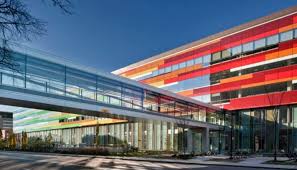
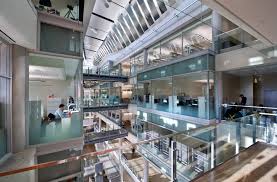
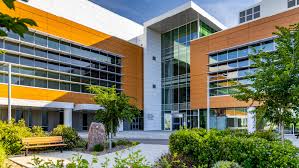
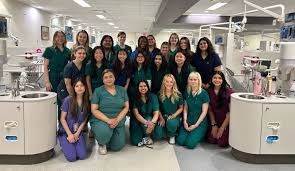
Facilities & Campus Life

Well-equipped Library

Experienced Faculty

Computer Lab

Sports Activities

Heritage Campus


Frequently Asked Questions
Why Consult With Us?
- 15+ years of experience in medical education counseling
- 5000+ students successfully guided
- 50+ partner universities worldwide
- Free initial consultation with no obligation