

University of Auckland Faculty of Medicine and Health Sciences

General Information
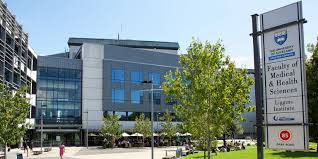
The Faculty of Medical and Health Sciences (FMHS) at the University of Auckland is one of the top-ranked medical schools globally. Located in the Grafton district, directly across from Auckland City Hospital, it offers an integrated, research-led MBChB (Bachelor of Medicine and Bachelor of Surgery) program.
General Info
Established: 1968.
Location: 85 Park Road, Grafton, Auckland.
Degree Awarded: MBChB (Bachelor of Medicine and Bachelor of Surgery).
Duration: 6 years (integrated).
Language of Instruction: English.
Accreditation: Fully accredited by the Medical Council of New Zealand and the Australian Medical Council. Graduates are eligible for registration in NZ, Australia, and recognized worldwide (WDOMS/ECFMG).
Campus Facilities
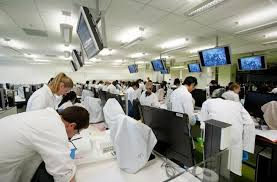
The Grafton Campus: A high-tech medical hub separate from the main University campus, featuring specialized simulation labs, the Philson Library, and advanced biomedical research centers.
Curriculum Structure:
Phase 1 (Year 1): Pre-med foundation (Biomedical Science or Health Science).
Phase 2 (Years 2-3): Integrated medical sciences (Organ systems and disease).
Phase 3 (Years 4-6): Clinical clerkships in hospital and community settings.
Clinical Simulation: Students use the AMRF Medical Sciences Learning Centre and dedicated simulation suites to master procedural skills on high-fidelity mannequins.
Hospital & Medical Facilities
Leading tertiary care hospital attached to the institution
Auckland City Hospital: The primary teaching site, located directly across the street from the faculty. It is the largest public hospital and clinical research facility in New Zealand.
Clinical Network: Rotations extend to Middlemore Hospital, North Shore Hospital, and regional centers across the North Island.
Pūkawakawa Program: In Year 5, students can opt for a year-long rural-regional placement in Northland (Whangārei), providing deep immersion in Māori health and community medicine.
Fee Structure
State University Affordability
Tuition is significantly higher for international students compared to domestic ones.
Year 1 (Pre-med): Approx. $38,000 – $47,000 NZD.
Years 2–6 (Medical Program): Approx. $86,560 NZD per year for international students.
Student Services Fee: Approx. $1,130 NZD per year (full-time).
Financial Aid: The "University of Auckland International Student Excellence Scholarship" (up to $10k) is a primary option for high achievers.
City Details
The "City of Sails": New Zealand's largest city, known for its multicultural population, twin harbors, and extinct volcanic cones.
Transport: The AT HOP card provides access to buses, trains, and ferries. Full-time students receive a 25-50% discount on public transport fares.
Climate: Temperate/Maritime. Humid summers and mild but rainy winters.
Cost of Living: High (similar to Sydney or London). Students should budget $20,000 – $25,000 NZD per year for total living expenses.
Hostel & Mess
University Accommodation: Residential halls like Grafton Hall and 55 Symonds are close to the medical campus.
Cost: Approx. $480 – $550 NZD per week (includes utilities and often catering).
Private Rentals: Many students share "flats" in Grafton, Newmarket, or Mt Eden.
Rent: $250 – $380 NZD per week per person for a shared house.
Dining: Auckland is a food capital. While halls provide meals, students in private housing budget around $120 – $180 NZD per week for groceries and local eating.
Miscellaneous
The Pathway: You cannot enter the MBChB directly from high school. You must complete Year 1 of the BHSc or BSc in Biomedical Science with a high GPA (usually 6.0+ on a 9.0 scale).
Testing: Applicants must sit the UCAT ANZ in the year of application (Year 1).
Interviews: Shortlisted candidates undergo the Multi Mini Interview (MMI), which assesses communication, ethics, and empathy.
NEET (For Indians): Mandatory qualification is required if you plan to return to India to practice.
International Quota: Very limited places are available for international students; competition is extremely high.
Collage Images Gallery

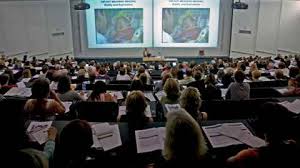

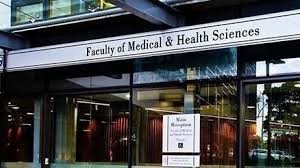
Facilities & Campus Life

Well-equipped Library

Experienced Faculty

Computer Lab

Sports Activities

Heritage Campus


Frequently Asked Questions
Why Consult With Us?
- 15+ years of experience in medical education counseling
- 5000+ students successfully guided
- 50+ partner universities worldwide
- Free initial consultation with no obligation