
University of Bielefeld, Medical School OWL

General Information
The Medical School OWL (Ostwestfalen-Lippe) is one of Germany’s newest and most innovative medical faculties, established in 2018. It follows a "Model Degree" structure that breaks away from the traditional separation of theory and practice. Rather than having one central clinic, it operates through a high-profile network called University Hospital OWL, which integrates several major hospitals in the region. The faculty is specifically designed to address future challenges in medicine, such as digitalization and the care of people with chronic disabilities.
Detailed Academic Info
- Established: 2018 (First student intake in 2021).
- Primary Location: > Universitätsstraße 25, 33615 Bielefeld, Germany.
- Academic Model: Bielefeld Model Course of Studies (Modellstudiengang).
- Structure: A 6.3-year program (12 semesters + Practical Year).
- Integrated Track: Combines pre-clinical and clinical subjects from the first semester.
- Spiral Curriculum: Knowledge is revisited in increasing complexity, linking basic sciences directly to clinical cases.
- Longitudinal Strands: Continuous training in "Clinical Thinking and Practice" and "Scientific Thinking and Acting" throughout the entire degree.
- Unique Feature: Students can earn a supplementary Bachelor of Science (B.Sc.) in Interdisciplinary Medical Sciences in just one additional semester (usually after the 6th semester).
- Instruction: 100% German. C1 level proficiency (DSH-2 or TestDaF 4x4) is mandatory.
- Research Focus: "Medicine for People with Disabilities and Chronic Diseases," with pillars in Brain–Impairment–Participation and Intelligent Systems.
Campus Facilities
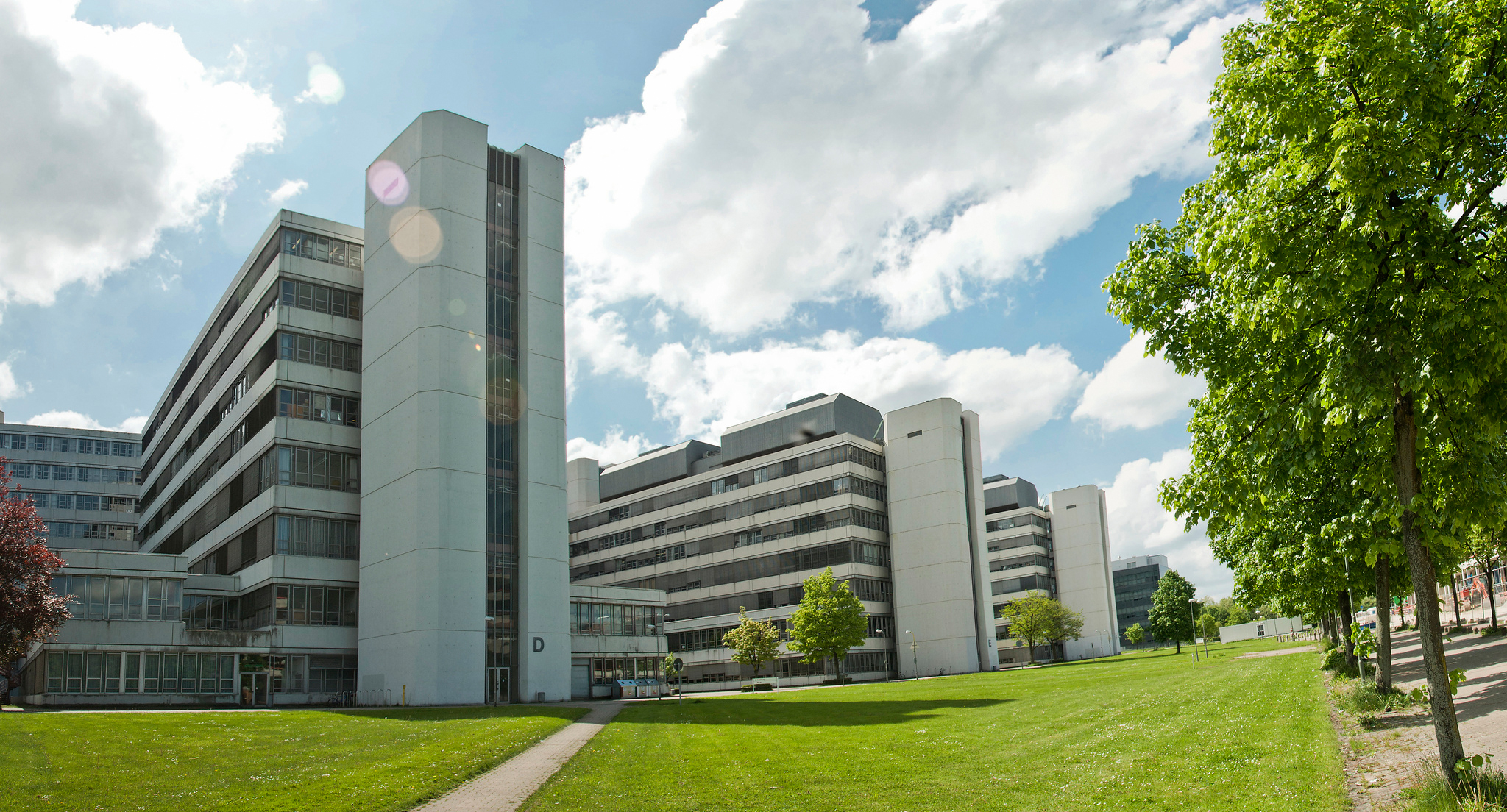
The faculty is housed in ultra-modern facilities on the main Bielefeld University campus, known for its "all-under-one-roof" architectural concept.
- SkillsLab OWL: A central training hub equipped with high-fidelity simulators where students practice everything from basic physical exams to complex surgical interventions.
- Biobank OWL: A cross-institutional research biobank that pools liquid and tissue samples to support patient-oriented clinical research.
- Medical Training Centers: Located at each of the partner hospital sites, ensuring university-level teaching facilities are available during clinical rotations.
- OMICs Core Facility: Provides students and researchers access to advanced genomics, proteomics, and metabolomics technologies.
- Digital Health Lab: A specialized space for exploring the use of AI, VR, and digital assistance systems in medical treatment.
- Anatomy Lab: Modern facilities using a mix of traditional prosection and 3D digital visualization tools.
- CITEC (Center of Excellence in Cognitive Interaction Technology): While not exclusive to medicine, this nearby center allows medical students to collaborate on human-machine interaction projects.
- Interprofessional Training Ward: A dedicated ward where medical students work in teams with nursing and therapy students to learn collaborative care.
- Bielefeld University Library: One of the best in Germany, featuring a massive central hall and extensive 24/7 digital medical resources.
- Research Practices Network: A unique network of outpatient clinics where students can conduct research in primary care settings.
Hospital & Medical Facilities
Leading tertiary care hospital attached to the institution
Bielefeld uses a decentralized model through the University Hospital OWL (UK OWL):
- Partner Hospitals:
- Evangelisches Klinikum Bethel (EvKB): Focuses on psychiatry, neurology, and pediatrics.
- Klinikum Bielefeld: A maximum-care provider with strong surgical and internal medicine departments.
- Klinikum Lippe: Known for its focus on emergency medicine and specialized clinical centers.
- Total Capacity: Combined, the network offers over 3,000 beds, providing students with an immense variety of clinical cases.
Fee Structure
State University Affordability
Bielefeld University is a public institution in North Rhine-Westphalia. There are no tuition fees for the State Exam in Medicine.
Scholarship
- Stiftung Studienfonds OWL: A unique regional foundation providing scholarships (approx. 300 €/month) specifically for students in the East Westphalia-Lippe region.
- Deutschlandstipendium: 300 €/month awarded based on merit and social commitment.
- International Office Grants: Graduation grants and emergency financial aid for international students (approx. 250 € – 900 € one-time or short-term).
- ViSiB Grants: The "Association for International Students in Bielefeld" offers emergency aid to international students in financial distress.
City Details
- The Vibe: Bielefeld is a "hidden gem" a green, medium-sized city located at the Teutoburg Forest. It offers a high quality of life with plenty of hiking trails and a vibrant student scene.
- Connectivity:
- Stadtbahn (Tram) Line 4: Connects the main train station directly to the university station (Universität) in 7 minutes.
- Regional Rail: Excellent links to major cities like Hannover, Dortmund, and Cologne.
- Safety: Very high; Bielefeld is known as a safe, family-friendly city with a strong sense of community.
Hostel & Mess
- Accommodation: Managed by Studierendenwerk Bielefeld.
- Student Dorms: Very affordable compared to other German cities. Rent ranges from 260 € to 450 €/month.
- Private Housing: A room in a shared flat (WG) typically costs 350 € – 550 €/month.
- Dining: The University Mensa is legendary in Germany for its size and quality, offering subsidized meals (approx. 3.50 € – 7.00 €).
Miscellaneous
- APS Certificate: Mandatory for applicants from India, China, and Vietnam.
- Uni-assist: Non-EU applicants must obtain a VPD (Preliminary Review Documentation) from uni-assist before the July 15 deadline.
- Selection Process: The "Model Degree" often attracts students who prefer a practical, self-directed learning style over traditional lecture-heavy formats.
Collage Images Gallery
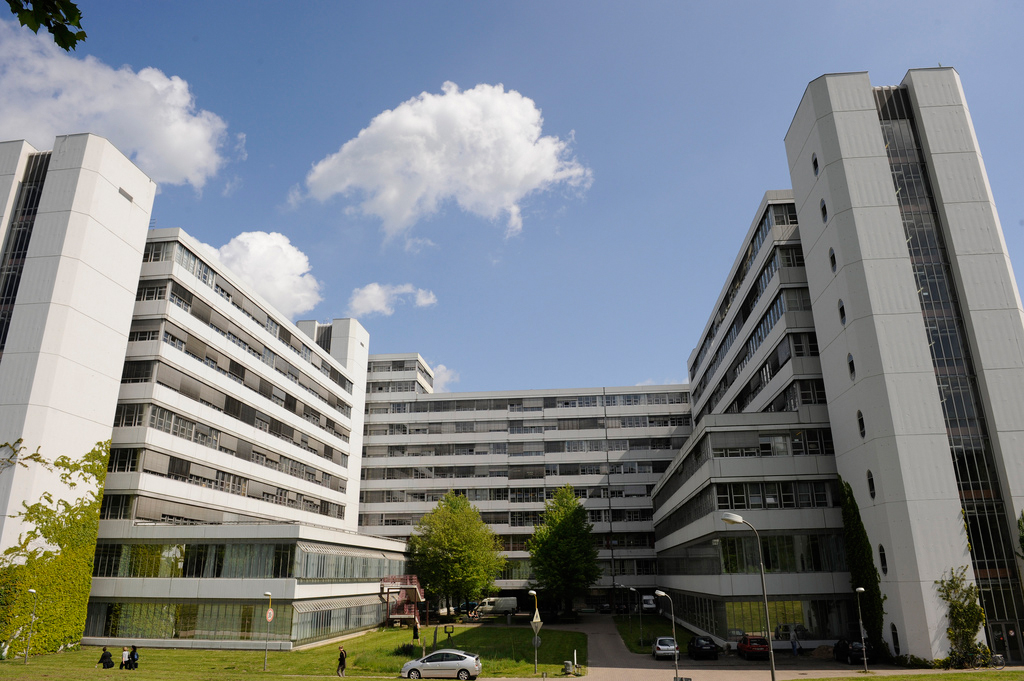
Facilities & Campus Life

Well-equipped Library

Experienced Faculty

Computer Lab

Sports Activities

Heritage Campus


Frequently Asked Questions
Why Consult With Us?
- 15+ years of experience in medical education counseling
- 5000+ students successfully guided
- 50+ partner universities worldwide
- Free initial consultation with no obligation