


University of Botswana – Faculty of Medicine

General Information
The University of Botswana (UB), established in 1982, launched its Faculty of Medicine in 2009 to address the critical shortage of healthcare professionals in the region. Located in the heart of the capital, Gaborone, the faculty follows a socially accountable, community-based curriculum. It is famously integrated with the Sir Ketumile Masire Teaching Hospital (SKMTH) and operates in close partnership with the Ministry of Health. The medical school is noted for its "Guided Problem-Based Learning" (PBL) approach and its strong research focus on HIV/AIDS and infectious diseases.
General Info
- Primary Location: > Notwane Rd, Gaborone, Botswana (Main Campus).
- Academic Tracks:
- MBBS (Bachelor of Medicine & Bachelor of Surgery): A 5-year professional degree divided into Phase I (Years 1–2: Basic Sciences) and Phase II (Years 3–5: Clinical Rotations).
- Master of Medicine (MMed): Post-graduate residency programs in Emergency Medicine, Family Medicine, Internal Medicine, Pediatrics, Public Health, and Anatomical Pathology.
- Admission Process:
- Note: There is no direct entry from high school.
- Eligibility: Applicants must have completed A-Levels or the first year of a BSc program (or equivalent) with high grades in Biology, Chemistry, and Physics/Mathematics.
- Selection: Based on academic merit, a short essay, and a formal interview focusing on personal and professional behavior.
- Instruction: English.
- Research Focus: HIV/AIDS, Tuberculosis, Public Health, and Maternal & Child Health.
Campus Facilities
The medical faculty utilizes the modern urban campus of UB, with specialized facilities dedicated to health sciences.
- Sir Ketumile Masire Teaching Hospital (SKMTH): A 450-bed state-of-the-art academic hospital located adjacent to the campus, serving as the nerve center for clinical training.
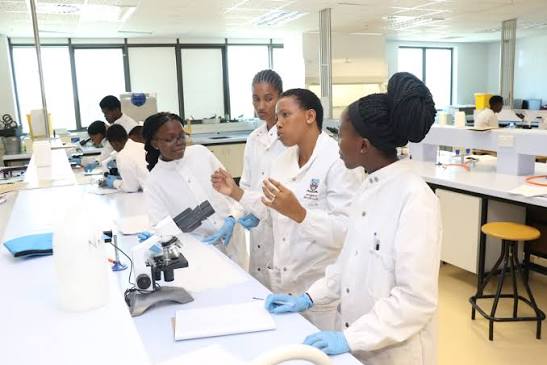
- Basic Medical Sciences Building: Recently refurbished labs for Anatomy, Physiology, and Biochemistry.
- Simulation & Skills Lab: A specialized facility where students practice clinical skills on models and simulators before patient contact.
- UB Main Library: One of the largest in Africa, featuring dedicated medical databases and quiet study zones.
- PBL Rooms: Small-group tutorial rooms designed specifically for the Problem-Based Learning curriculum.
- Olympic-sized Swimming Pool: Part of the university’s extensive sports complex available to all students.
- University Health Clinic: Provides free primary healthcare and counseling services to the student body.
- Computer Resource Center: High-speed labs with access to medical informatics and digital research tools.
- Gaborone Main Campus: A 280-acre urban site with green spaces, student lounges, and "entertainment arenas."
- Regional Teaching Sites: The faculty utilizes hospitals in Francistown, Maun, and Lobatse for rural and community medicine exposure.
Hospital & Medical Facilities
Leading tertiary care hospital attached to the institution
- Sir Ketumile Masire Teaching Hospital: A R2.2 billion facility specializing in advanced diagnostics, research, and tertiary care.
- Princess Marina Hospital: The main referral hospital in Gaborone where students gain extensive experience in high-volume clinical settings.
- Sbrana Psychiatric Hospital: Used for specialized rotations in mental health.
- Network: Rotations occur across the country to ensure students are grounded in both urban and rural healthcare challenges.
Fee Structure
State University Affordability
The University of Botswana uses a credit-based system. The following estimates are based on the standard 5-year MBBS load.
Scholarships
- Government of Botswana Sponsorship: The primary funding source for local citizens, covering tuition and a monthly living allowance.
- SADC Regional Grants: Some funding is available for students from South African Development Community member states.
- Master Mind & International Partnerships: Through partnerships with universities like UPenn (USA), research-focused students may access project-specific grants.
- DTEF (Department of Tertiary Education Financing): Manages the loan-scholarship scheme for high-achieving local students.
City Details
- The Vibe: Gaborone is a rapidly growing, peaceful city. It is generally safe and serves as the economic and administrative heart of Botswana.
- Connectivity:
- Air: Sir Seretse Khama International Airport (GBE) has regular flights to Johannesburg, Addis Ababa, and Cape Town.
- Local: Combis (minibuses) and taxis are the main form of transport; the campus is centrally located and walkable.
- Language: English is the official language of instruction and business, while Setswana is the national language spoken by nearly everyone.
Hostel & Mess
- Accommodation: On-campus hostels are limited; priority is given to international and first-year medical students. Graduate housing is also available for MMed residents.
- Dining: Several university cafeterias and "Restos" offer subsidized meals. Gaborone also has a diverse culinary scene catering to various international tastes.
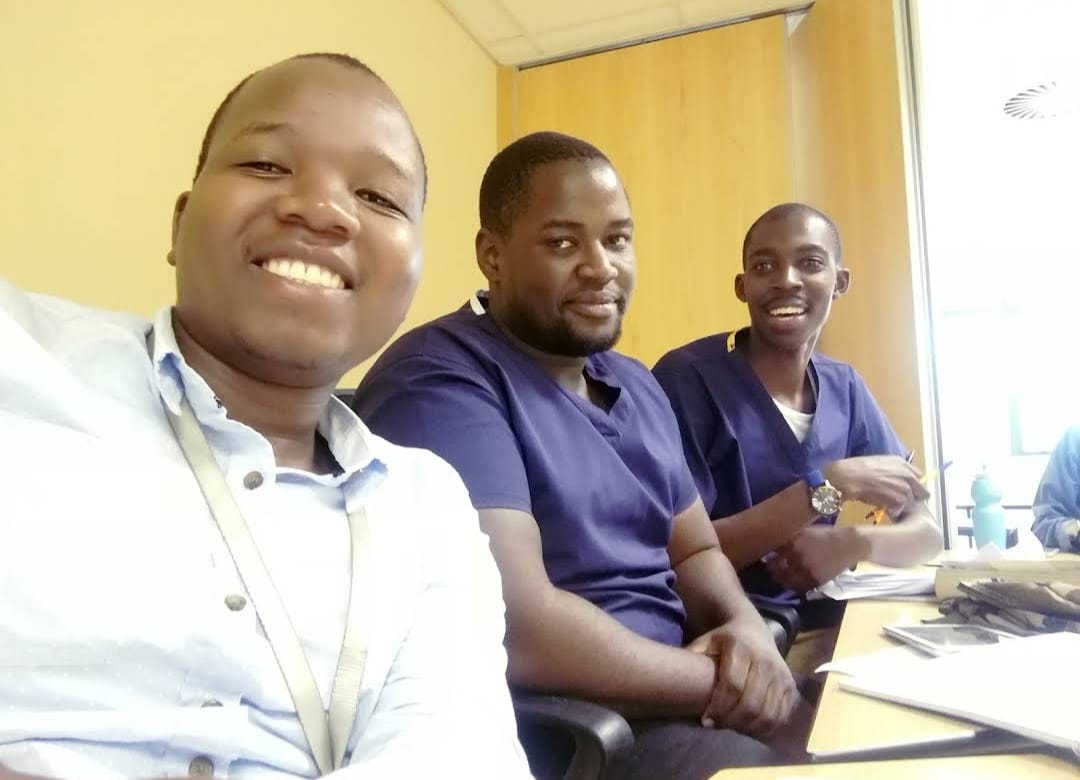
- Vibe: The campus is vibrant and safe. Medical students are known for being a tight-knit community, often balancing rigorous study with university sports and "Mmadikolo" (university pride) culture.
Miscellaneous
- Accreditation: Botswana Medical Council and regional African health bodies.
- Timeline: Applications for the August intake typically close in January.
- Global Standing: UB is ranked among the top 100 universities in Africa (Times Higher Education).
Collage Images Gallery


Facilities & Campus Life

Well-equipped Library

Experienced Faculty

Computer Lab

Sports Activities

Heritage Campus


Frequently Asked Questions
Why Consult With Us?
- 15+ years of experience in medical education counseling
- 5000+ students successfully guided
- 50+ partner universities worldwide
- Free initial consultation with no obligation