

University of Costa Rica (UCR) – School of Medicine

General Information
The University of Costa Rica (UCR), founded in 1940, is the flagship public university of Costa Rica. Its School of Medicine (Facultad de Medicina) is widely considered the best in Central America, known for its rigorous academic standards and deep integration with the Caja Costarricense de Seguro Social (CCSS) the national social security system. Unlike the many private "offshore" schools in the region, UCR focuses on training physicians for the national healthcare system, emphasizing public health, social responsibility, and clinical excellence.
General Info
- Primary Location: > Ciudad Universitaria Rodrigo Facio, San Pedro, San José, Costa Rica.
- Academic Tracks:
- Licenciatura en Medicina y Cirugía (MD equivalent): A 6-year program divided into pre-clinical and clinical phases, culminating in a mandatory social service year for local practice.
- Postgraduate Specializations: UCR is the sole provider of residency training in Costa Rica, offering over 50 specialties including Cardiology, Neurosurgery, and Tropical Medicine.
- Admission Process:
- The "Examen de Admisión": Entry is notoriously competitive. Domestic and international students must take the UCR Admission Exam (PAA), which tests mathematical and verbal reasoning.
- Prerequisites: International applicants must have their high school diplomas authenticated (Apostille) and recognized by the Ministry of Public Education.
- NEET: While not a local requirement, Indian students must be NEET-qualified to ensure the degree is recognized by the NMC back home.
- Instruction: Primarily Spanish. (Note: While some clinical resources are in English, fluency in Spanish is mandatory for patient interaction).
- Research Focus: Infectious diseases, genetics (specifically the "Founder Effect" in the Central Valley), and universal healthcare systems.
Campus Facilities
Located in the leafy San Pedro district, the medical faculty benefits from the resources of a massive research university.
- Faculty of Medicine Building: A central hub housing modern lecture halls and administrative offices.
- Simulation Center (CESIM): A high-tech facility with robotic manikins and VR stations where students practice procedures before entering the wards.
- Human Anatomy Lab: Features traditional cadaveric dissection, a cornerstone of the UCR curriculum.
- Health Library (Biblioteca de Salud): Specialized wing of the university library system with extensive medical journals and digital database access.
- Biomedical Research Center (CIBCM): A world-renowned facility for molecular and cellular biology research.
- UCR Pharmacy & Labs: On-campus facilities where students observe the integration of pharmacology and clinical care.
- Saprissa/University Stadium: Access to world-class sports facilities, including an Olympic pool and athletic tracks.
- Planetarium & Cultural Centers: As part of the main campus, medical students have access to the university's diverse cultural and scientific exhibits.
- Language Center: Offers Spanish as a Second Language (ELE) courses for international students.
- Student Wellness Center: Provides free psychological and primary medical care to the student body.
Hospital & Medical Facilities
Leading tertiary care hospital attached to the institution
UCR students rotate through the "Big Three" national hospitals in San José:
- Hospital San Juan de Dios: One of the oldest and largest, offering a vast range of clinical cases.
- Hospital México: Specialized in complex surgeries and oncology.
- Hospital Rafael Ángel Calderón Guardia: A major center for internal medicine and emergency care.
- National Children’s Hospital (HNN): For world-class pediatric training.
Fee Structure
State University Affordability
As a public university, UCR is significantly more affordable than private alternatives, though international students pay a differentiated rate.
Scholarships
- UCR Socioeconomic Scholarship: Available to students based on financial need; can cover 100% of tuition and provide a monthly stipend.
- External Academic Grants: International students often bring funding from their home governments or organizations like PAHO (Pan American Health Organization).
- Work-Study Programs: Students can assist in university labs or libraries to offset living costs.
City Details
- The Vibe: San José is a bustling metropolitan hub surrounded by mountains. It is a mix of historic architecture and modern urban growth.
- Connectivity:
- Air: Juan Santamaría International Airport (SJO) is the main gateway, located about 30 minutes from campus.
- Local: Excellent bus network (the "Periférica" line circles the main campus areas).
- Safety: San Pedro is generally safe, though students are advised to use common sense in downtown San José after dark.
Hostel & Mess
- Accommodation: UCR has limited university residence halls. Most students live in "Pensiones" or shared apartments in San Pedro, Sabanilla, or Guadalupe.
- Dining: The campus "Comedor Estudiantil" (Student Dining Hall) offers highly subsidized, nutritious meals (the "Casado" is a student staple).
- Vibe: San Pedro is the heart of student life in Costa Rica. It is vibrant, filled with bookstores, "Sodas" (local diners), and a very active nightlife on "Calle de la Amargura."
Miscellaneous
- Accreditation: SINAES (Costa Rica) and recognized by the ECFMG, WHO, and NMC.
- Intake: The primary intake is in February (beginning of the Latin American academic year).
- Degree Status: Doctor en Medicina y Cirugía.
Collage Images Gallery
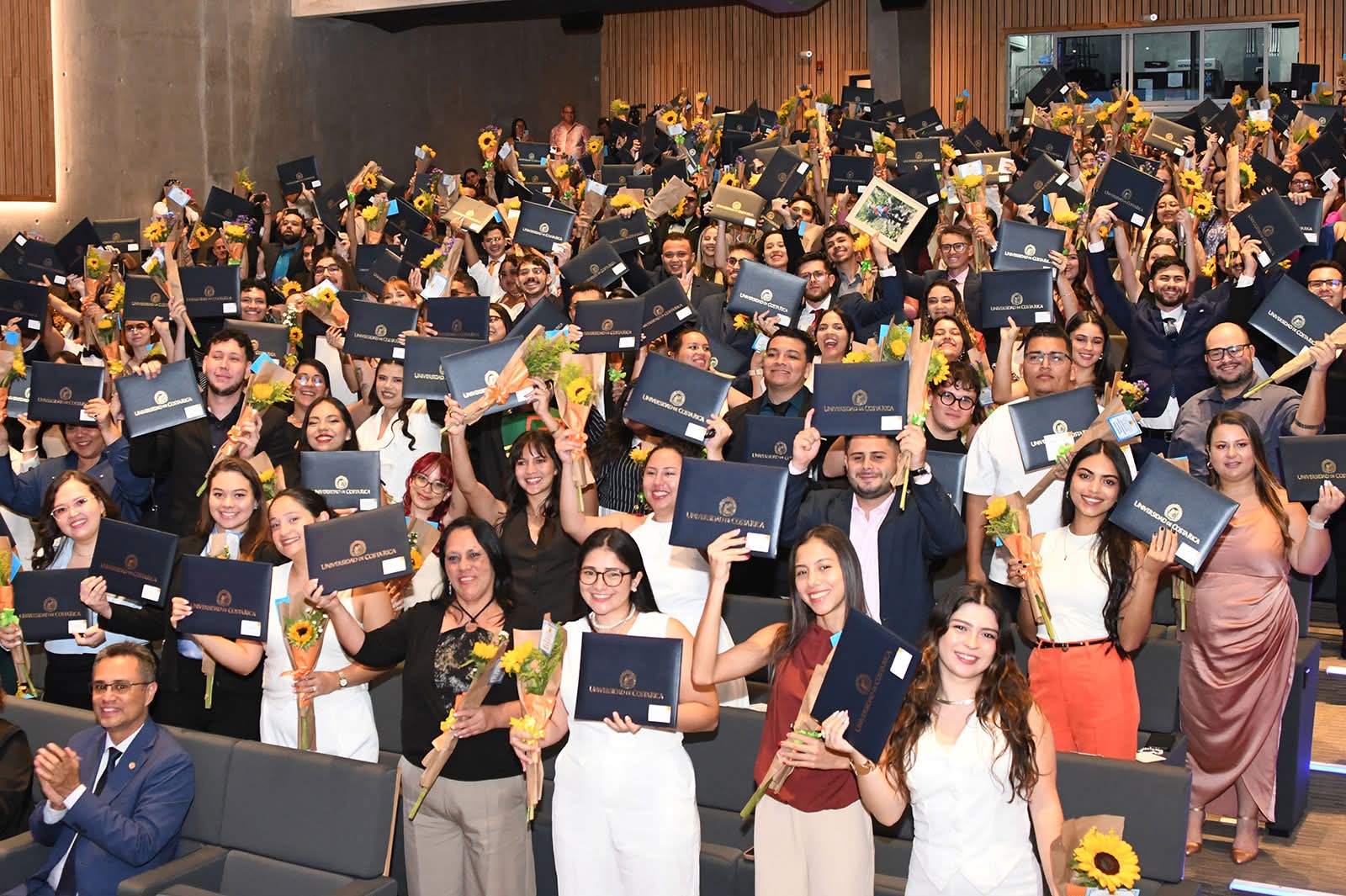

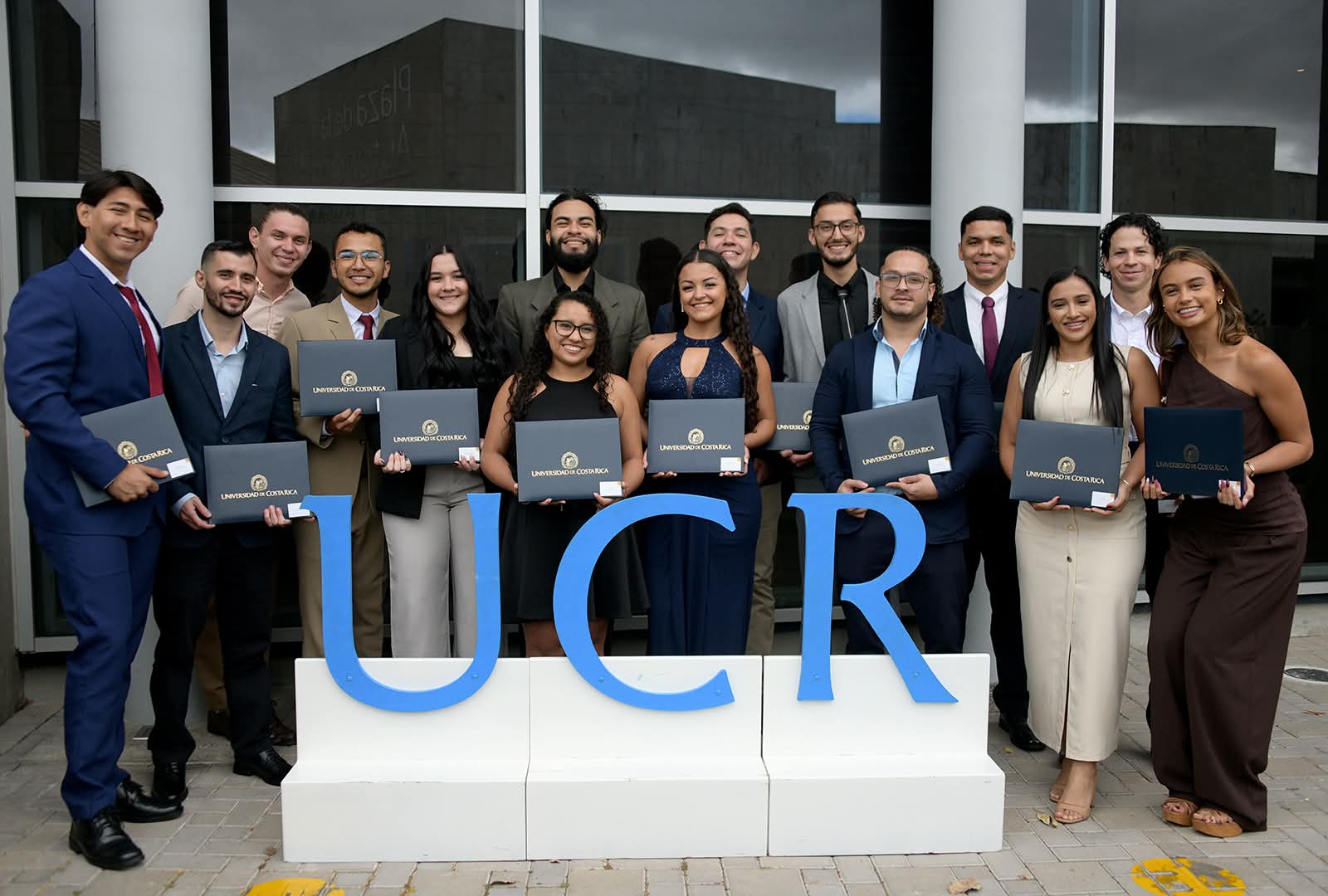

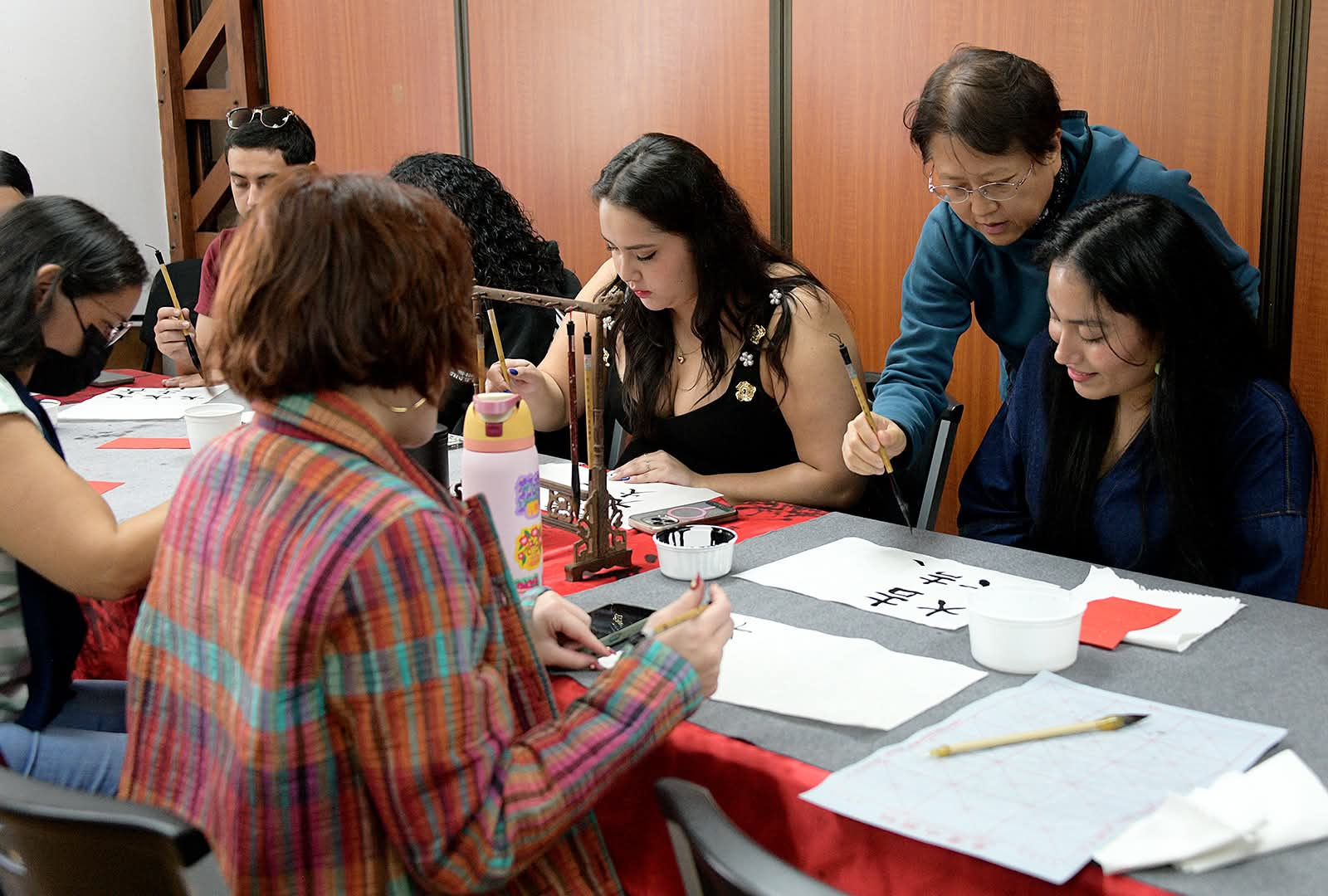
Facilities & Campus Life

Well-equipped Library

Experienced Faculty

Computer Lab

Sports Activities

Heritage Campus


Frequently Asked Questions
Why Consult With Us?
- 15+ years of experience in medical education counseling
- 5000+ students successfully guided
- 50+ partner universities worldwide
- Free initial consultation with no obligation