


University of Jordan Faculty of Medicine

General Information
The University of Jordan (UJ) School of Medicine, established in 1971, is the first and oldest medical school in the country. Located in the heart of the capital, Amman, it is a flagship institution known for its high clinical standards and international prestige, having been the first in Jordan to receive international accreditation from the World Federation for Medical Education (WFME).
General Info
- Primary Location: University of Jordan Campus, Queen Rania Street, Amman.
- Degree Awarded: Doctor of Medicine (MD).
- Program Duration: 6 years (divided into 3 pre-clinical years and 3 clinical years).
- Faculty Size: Over 200 full-time academic staff members, many with dual training from North American or European centers.
- Reputation: Consistently ranked as the top medical school in Jordan and a leading institution in the Arab world.
Campus Facilities
The medical school is situated on a lush, self-contained campus in North Amman, offering a blend of historic architecture and high-tech facilities.
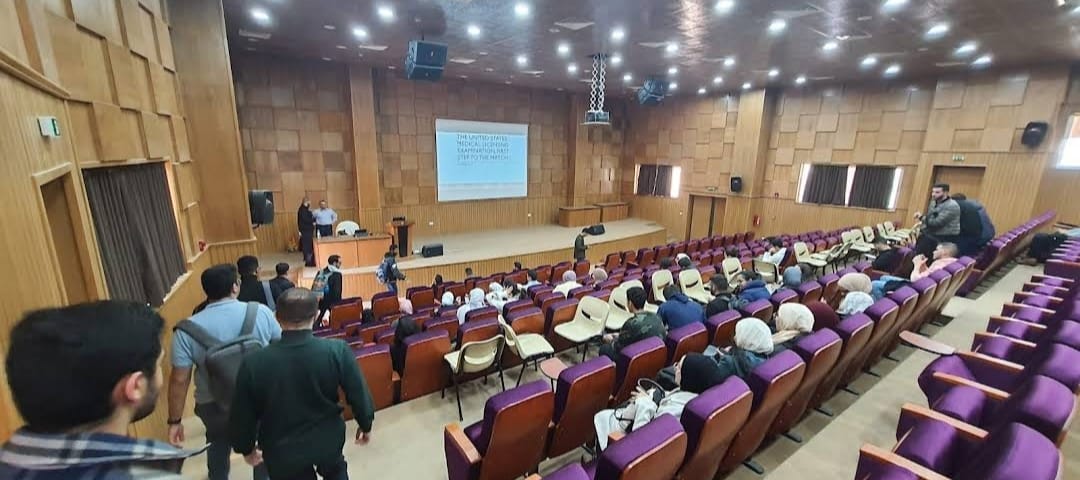
- Medicine Building: Houses large lecture theaters, administrative offices, and departmental wings.
- Basic Science Laboratories: Advanced labs for Biochemistry, Physiology, and Microbiology.
- Digital Anatomy Lab: Utilizes 3D anatomy tables and virtual reality software to complement traditional cadaveric dissection.
- Clinical Skills Center: A simulation hub where students practice physical examination and emergency procedures on high-fidelity mannequins.
- Jordan University Hospital (JUH): The primary teaching hospital located on the same campus, allowing for immediate transition from theory to practice.
- Medical Library: A specialized branch of the main university library with access to major global databases (ClinicalKey, UpToDate, etc.).
- Molecular Biology & Genetics Center: A research-intensive facility focusing on regional genetic diseases and cancer research.
- Computer & E-Learning Labs: Equipped for medical informatics and digital examinations.
- University "Clock Tower" Square: The central social hub of the campus, close to the medical buildings.
- Sporting Facilities: Access to the university’s stadium, Olympic pool, and indoor gyms.
Hospital & Medical Facilities
Leading tertiary care hospital attached to the institution
The school is anchored by the Jordan University Hospital (JUH), the first academic hospital in the country.
- Jordan University Hospital: A 600+ bed tertiary center and the first hospital in the Arab region to earn JCI accreditation.
- Specialized Units: Features world-class units for Bone Marrow Transplantation, Open Heart Surgery, and Neurosurgery.
- Emergency Medicine: One of the busiest trauma centers in the region, providing students with high-volume clinical exposure.
- King Hussein Cancer Center (KHCC): Students also rotate through this world-renowned oncology center located just across the street from the campus.
Fee Structure
State University Affordability
Fees vary widely based on the student's admission track.
Scholarship
- Ministry of Higher Education Grants: Available for Jordanian students on the regular track.
- Merit-Based Waivers: The university often provides full or partial tuition waivers for the top-ranking student in each academic year.
- International Agreements: Scholarships are often available through cultural exchange programs with specific countries (e.g., Malaysia, Palestine, Gulf States).
City Details
- The Vibe: Amman is a historic yet modern metropolitan city. The university area is a "city within a city," always buzzing with activity.
- Connectivity:
- Bus Rapid Transit (BRT): A fast bus system connects the university directly to downtown Amman and other major hubs.
- Accessibility: High. Everything a student needs (clinics, malls, bookstores) is within walking distance of the gates.
- Safety: Very high. The campus is secure, and the surrounding residential areas are well-monitored.
Hostel & Mess
- Accommodation: The university provides several on-campus dorms:
- Jerash & Amon Dorms: Specifically for international female students.
- Al-Zahraa & Al-Andalus Dorms: For local female students.
- Private Housing: Many students (especially males) live in the Jubeiha or University Street areas, which are filled with student cafes and shops.
- Dining: Multiple campus canteens and "The University Restaurant" offer very affordable traditional meals.
- Student Activity: Very active student body with medical research clubs, volunteer groups (e.g., "The Life Makers"), and medical theater.
Miscellaneous
- MD-PhD Potential: UJ is one of the few in the region encouraging combined research and clinical paths.
- Language: Instruction is in English, though Arabic is essential for clinical patient interaction.
Collage Images Gallery


Facilities & Campus Life

Well-equipped Library

Experienced Faculty

Computer Lab

Sports Activities

Heritage Campus


Frequently Asked Questions
Why Consult With Us?
- 15+ years of experience in medical education counseling
- 5000+ students successfully guided
- 50+ partner universities worldwide
- Free initial consultation with no obligation