
University of Liège (ULiège)

General Information
The University of Liège (ULiège) is the only public university for the French-speaking community in the Wallonia region of Belgium. Its Faculty of Medicine is uniquely situated on the Sart Tilman campus, a massive wooded estate on the outskirts of the city. The campus is defined by its "hospital-centric" design, where the university buildings are physically integrated with the CHU de Liège (University Hospital of Liège). ULiège is internationally recognized for its cutting-edge research in Genetics, Geno-Proteomics (GIGA), and its pioneering work in Medical Simulation.
General Info
- Established: 1817 (One of Belgium's historic state universities).
- Primary Location: > Sart Tilman Campus (District Hospitalier), Avenue de l'Hôpital 1, 4000 Liège, Belgium.
- Academic Tracks:
- Medicine (MD): A 6-year program (3y Bachelor + 3y Master). Instruction is strictly in French.
- Dentistry: A 5-year program (3y Bachelor + 2y Master). Instruction in French.
- Biomedical Sciences: Available at Bachelor and Master levels. Some Master-level research tracks offer modules in English.
- Public Health & Nursing Sciences: Offers various specialized Master’s degrees, often with an international focus.
- Admission Process:
- Medicine & Dentistry: Admission is governed by the Examen d’entrée et d’accès (Entrance Exam) organized by ARES. This national exam is mandatory for all students (Belgian and International) and tests scientific knowledge and communication/ethics.
- Language: A C1 level in French is required for clinical programs. Non-EU students must also meet strict academic equivalence criteria.
- Instruction: Primarily French (Medicine/Dentistry); English options available for PhD and specific Biomedical research modules.
- Research Focus: Home to the GIGA (Interdisciplinary Cluster for Applied Geno-proteomics), a world-class center for biotechnology and medical research.
Campus Facilities
The Sart Tilman campus is a unique "University-Hospital City" integrated into a 2,000-acre forest.
- CHU de Liège: A state-of-the-art public hospital integrated directly into the academic buildings, allowing students to move from lecture halls to clinical wards in minutes.
- GIGA Institute: One of the most advanced research hubs in Europe for genomics, proteomics, and regenerative medicine.
- Simulation Centre (SimULiège): A high-fidelity medical simulation center where students use VR and robotic manikins to master clinical procedures.
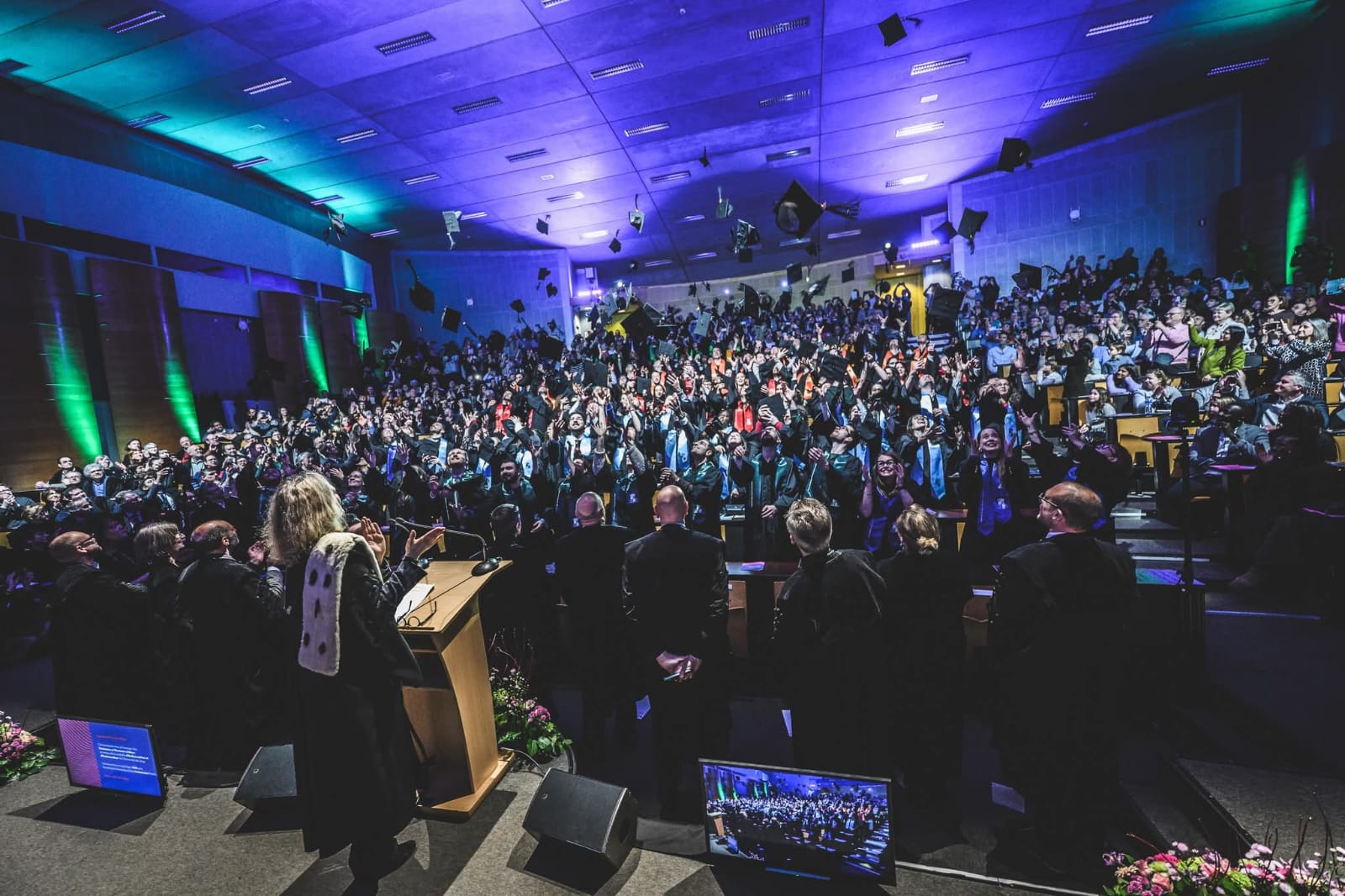
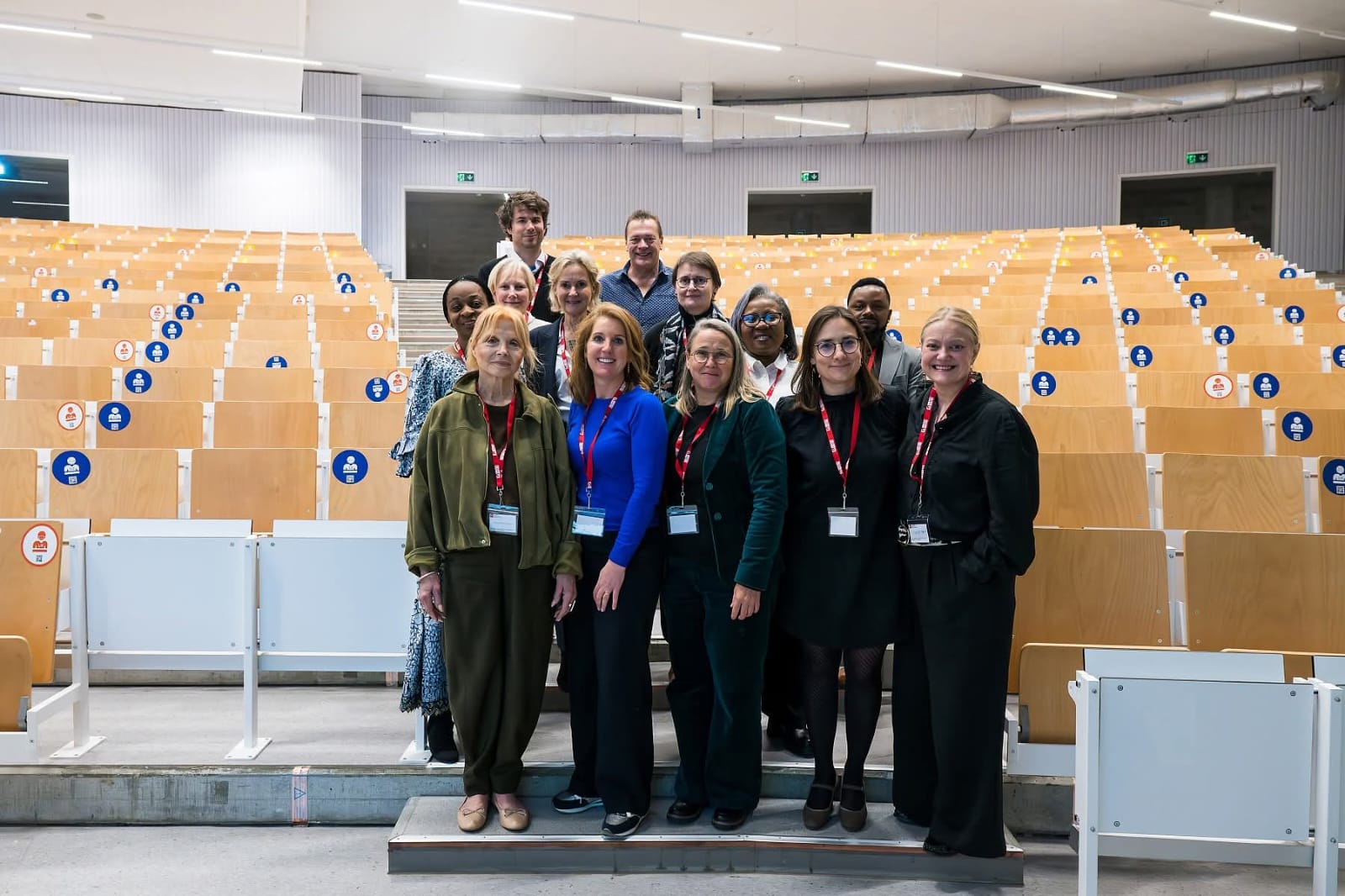
- The "Grands Amphithéâtres": Massive, modern lecture halls (Agora district) equipped with advanced broadcasting technology for large-scale medical lectures.
- Biomedical Library: Located within the Hospital district, offering specialized medical archives and extensive digital database access.
- Teaching Pharmacy: A "didactic pharmacy" where pharmacy students practice patient counseling and medication management in a simulated retail environment.
- Sports Center (Blanc Gravier): Extensive facilities including an athletics track, indoor halls, and woodland running trails for student wellness.
- Pedagogical Office: A unique department at ULiège dedicated to student success, providing tutoring, study coaching, and exam preparation support.
- Institute of Zoology: Located in the city center; used primarily for practical biology work for first-year medical students.
- Sart Tilman Science Park: A nearby hub of biotech companies and spin-offs, providing internship opportunities in medical technology.
Hospital & Medical Facilities
Leading tertiary care hospital attached to the institution
- CHU de Liège: The only academic hospital in Wallonia, known for its Cardiology, Oncology, and Emergency Medicine departments.
- CHL (Centre Hospitalier de Liège): A secondary training site in the city center for broader clinical exposure.
- Medical Simulation Center: A reference center for training not just students, but practicing healthcare professionals from across Europe.
Fee Structure
State University Affordability
Tuition is highly subsidized, though non-EEA students are subject to specific international contributions.
Scholarships
- ULiège Heritage Foundations: Offers specialized scholarships for 2nd and 3rd-cycle students (Master’s/PhD) based on project quality.
- Master Mind Scholarships: A government grant of €10,000/yr plus a tuition waiver for top-performing international Master’s applicants.
- WBI (Wallonie-Bruxelles International): Offers grants specifically for international students and researchers from partner countries.
- Province of Liège Aid: Interest-free student loans or grants for students who have lived in the province for at least two years.
City Details
- The Vibe: Liège is a historic industrial city undergoing a modern cultural renaissance. It is very affordable compared to Brussels or Antwerp.
- Connectivity:
- Train: Liège-Guillemins (designed by Santiago Calatrava) is a major TGV hub with direct links to Cologne, Paris, and Brussels.
- Air: Liège Airport (LGG) is nearby; Brussels Airport (BRU) is approx. 1 hour by train.
- Safety: Generally safe, with the Sart Tilman campus being particularly peaceful due to its secluded, wooded location.
Hostel & Mess
- Accommodation: Students can choose between the Sart Tilman student residences (living next to the hospital) or the Liège city center. A frequent bus service (Line 48) connects the two.
- Dining: University restaurants (Restos U) offer balanced meals at student prices (approx. €5–€8).
- Vibe: Liège is known as the "Ardent City" famous for its warm, festive atmosphere, its Sunday "La Batte" market, and a very strong student culture (folklore).
Miscellaneous
- Accreditation: Recognized by the Wallonia-Brussels Federation and listed in the World Directory of Medical Schools (WDOMS).
- Admission Timeline: International (Non-EU) applications typically open in February and close in March for the following academic year.
- Degree Status: Doctor of Medicine (MD).
Collage Images Gallery
Facilities & Campus Life

Well-equipped Library

Experienced Faculty

Computer Lab

Sports Activities

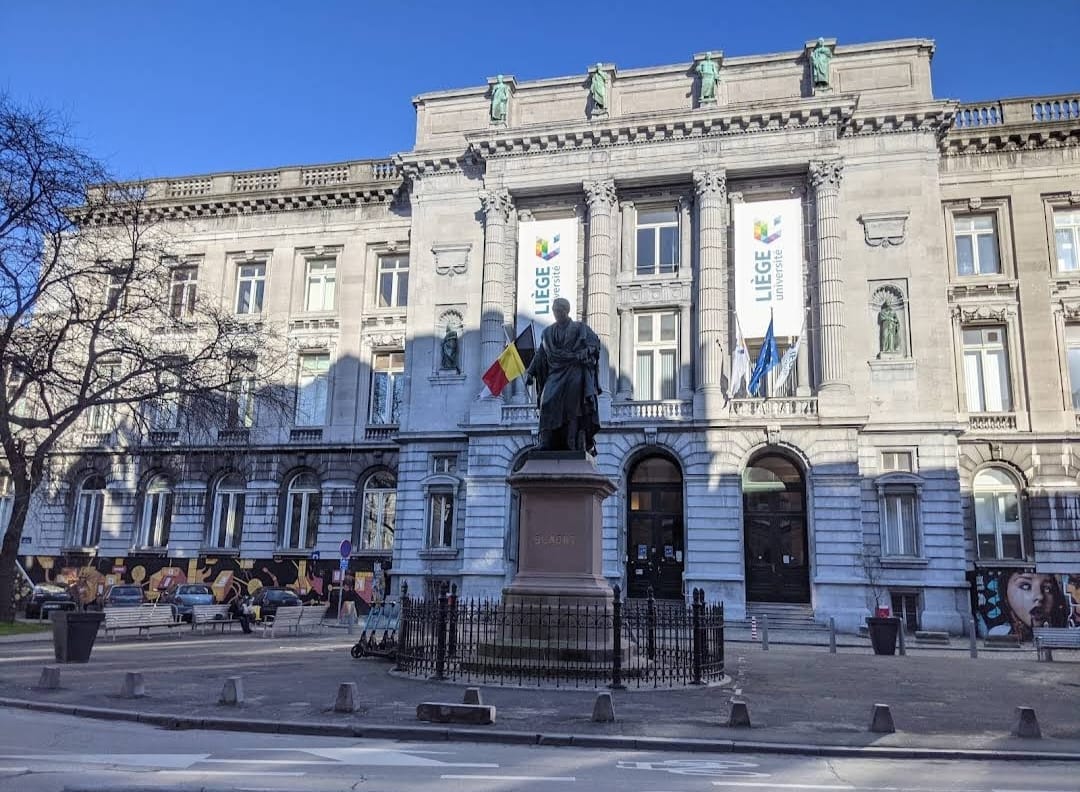
Heritage Campus


Frequently Asked Questions
Why Consult With Us?
- 15+ years of experience in medical education counseling
- 5000+ students successfully guided
- 50+ partner universities worldwide
- Free initial consultation with no obligation