


University of Malta Faculty of Medicine and Surgery

General Information
Established in 1771, the Faculty of Medicine and Surgery at the University of Malta (UM) is one of the oldest and most respected medical schools in the Mediterranean. It transitioned from its historical roots in Valletta to its modern clinical hub in Msida. The faculty is renowned for its rigorous academic standards and its deep integration with the national healthcare system, providing students with extensive bedside teaching from early in their studies.
General Info
- Primary Location: Block A, Level 0, Mater Dei Hospital, Msida, Malta.
- Degree Awarded: Doctor of Medicine and Surgery (MD).
- Language of Instruction: English.
- Accreditation: Fully accredited by the Malta Medical Council and recognized globally, including by the GMC (UK), WHO, and ECFMG (USA).
- Course Duration: 5 years (10 semesters) of full-time study.
Campus Facilities
The faculty is uniquely situated within the island's main acute hospital, ensuring students are at the heart of medical practice.
- Mater Dei Hospital Hub: The faculty offices and lecture rooms are located directly within the Mater Dei Hospital complex.
- Dissection Labs: Traditional anatomy training is a core component, with modern facilities for cadaveric dissection.
- Clinical Skills Lab: A specialized environment where students practice procedures (e.g., venepuncture, catheterization) on simulation models.
- Medical Library: A comprehensive resource center with access to major international databases like PubMed, BMJ, and Cochrane.
- Biomedical Research Labs: Facilities for advanced research in genetics, molecular biology, and proteomics.
- The "Medical School" Block: A dedicated building housing lecture theaters, seminar rooms, and administrative support.
- Smart Learning Tools: Integration of E-learning platforms for blended learning and digital assessments.
- IT Services: Dedicated computer labs and high-speed Wi-Fi across the hospital and Msida campus.
- Student Service Center: Provides welfare support, academic advising, and administrative guidance.
- Research Support Office: Facilitates student involvement in faculty-led clinical trials and public health studies.
Hospital & Medical Facilities
Leading tertiary care hospital attached to the institution
The university’s primary clinical partner is the national hospital, but training spans several specialized sites:
- Mater Dei Hospital (MDH): The main teaching hospital where students spend the majority of their clinical years.
- Sir Anthony Mamo Oncology Centre: Provides specialized exposure to oncology and palliative care.
- Mount Carmel Hospital: Used for rotations in mental health and psychiatry.
- Primary Health Care Centres: Students rotate through "B'Kara" and "Floriana" health centers for general practice training.
- St Vincent de Paul Long Term Care Facility: A leading site for geriatric medicine and rehabilitation.
Fee Structure
State University Affordability
Fees at the University of Malta differ significantly between EU/EEA residents and international (non-EU) students.
Scholarship
- University of Malta Scholarships: Merit-based awards for top-performing international students.
- Get Qualified Scheme: Maltese residents can benefit from tax credits covering up to 70% of study-related costs.
- Endeavour Scholarships: Government-funded grants for postgraduate students looking to specialize after their MD.
- Stipends: Eligible Maltese students receive a monthly stipend and an annual grant to help with study expenses.
City Details
- The Vibe: Msida is a bustling harbor town, largely populated by students. It is central, making it a perfect base for exploring the island.
- Connectivity:
- Transport: The "Mater Dei" bus terminus is a major island-wide hub, with direct routes to almost every village.
- Walkability: Most clinical students live within a 10–15 minute walk of the hospital.
- Safety: Malta is highly safe, and the hospital area is well-lit and monitored 24/7.
Hostel & Mess
- Accommodation: The University Residence in Lija offers a shuttle bus to the Msida campus. Many medical students prefer private rentals in Msida, Gżira, or Sliema for proximity to Mater Dei Hospital.
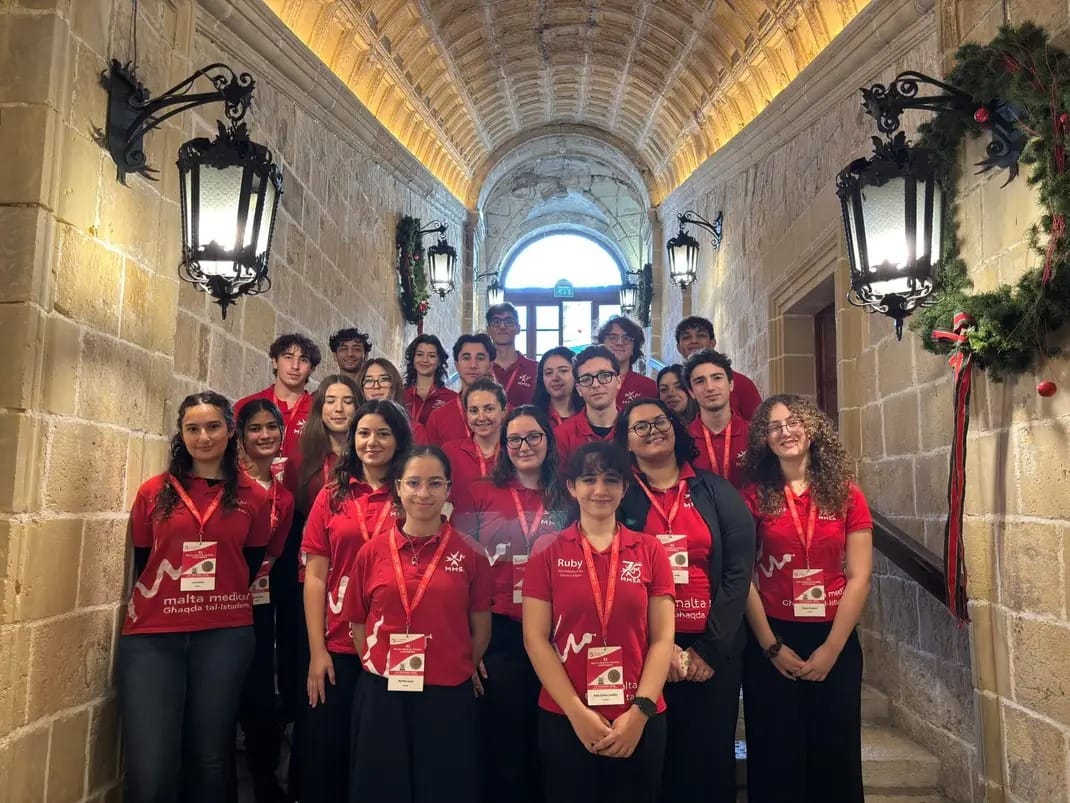
- MMSA: The Malta Medical Students' Association is incredibly active, organizing international exchanges (IFMSA), health awareness campaigns, and the famous "Medical Ball."
- Dining: Several hospital cafeterias and the "Quad" on the main campus offer subsidized meals.
- Vibe: Academic but social. The proximity of the campus to the sea allows students to relax at the Ta' Xbiex marina after long clinical shifts.
Miscellaneous
- Admission Requirements (MD):
- Academic: Advanced Level passes (Grade B or better) in Biology and Chemistry, plus an Intermediate Level pass in a third subject.
- Language: Proficiency in English (IELTS 6.0+) and Medical Maltese. International students must pass the Medical Maltese Proficiency Certificate before starting clinical years.
- Intake: The MD course starts annually in October.
Collage Images Gallery


Facilities & Campus Life

Well-equipped Library

Experienced Faculty

Computer Lab

Sports Activities

Heritage Campus


Frequently Asked Questions
Why Consult With Us?
- 15+ years of experience in medical education counseling
- 5000+ students successfully guided
- 50+ partner universities worldwide
- Free initial consultation with no obligation