
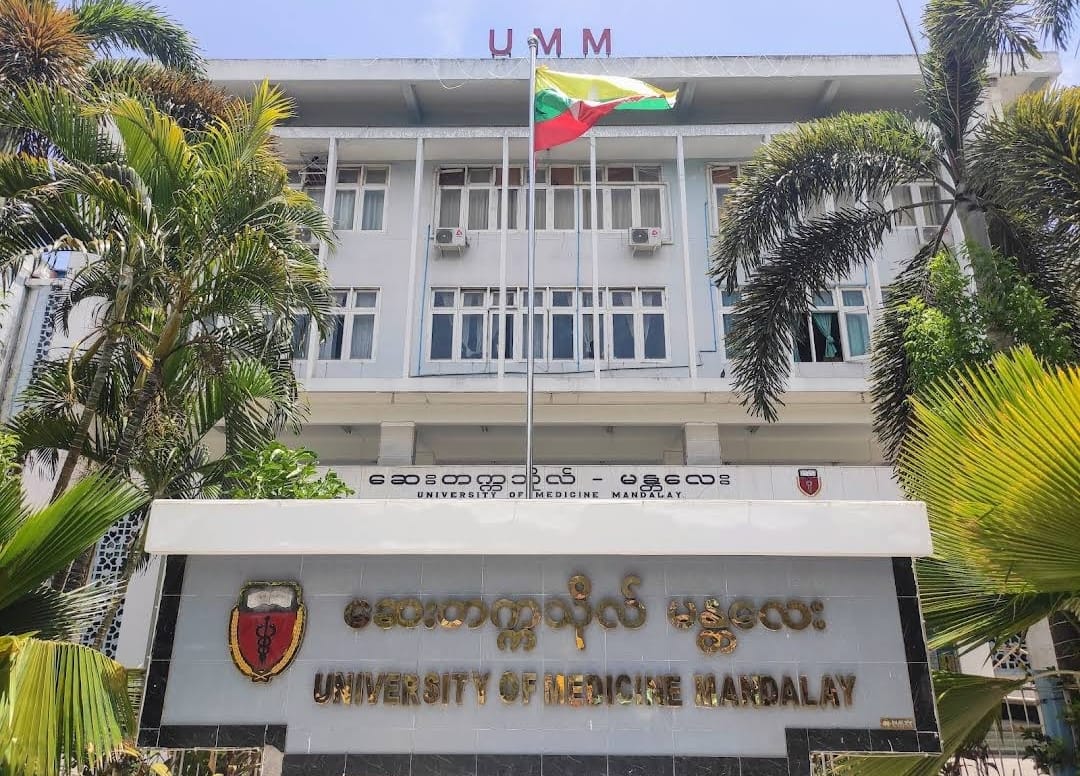
University of Medicine Mandalay

General Information
The University of Medicine, Mandalay is the second oldest medical school in Myanmar. It was founded in 1954 as a branch of the University of Yangon. It is the main place for medical education in Upper Myanmar. The school is known for having high academic standards and the motto "Service, Sympathy, Humanity." Like other medical schools in Yangon, UMMDY has switched to an Outcome-Based Integrated Curriculum to meet international standards.
General Information
- The main address is 30th Street, between 73rd and 74th Streets, Chanayethazan Township, Mandalay, Myanmar.
- Degree Given: M.B., B.S. 7-year program (like an MD or MBBS).
- The language of instruction is English.
- Accreditation: The Myanmar Medical Council and the Educational Commission for Foreign Medical Graduates (ECFMG) both recognize it.
- Acceptance:
- Selection: One of Myanmar's most selective universities, with about 300 to 350 students accepted each year.
- Requirements: Only the best scores on the National University Entrance (Matriculation) Examination will be considered.
- The structure is as follows: 1 year of foundation, 2 years of preclinical, 1 year of paraclinical, 2 years of clinical, and 1 year of internship.
Campus Facilities
The Mandalay campus is a historic but modernized complex that is meant to make it easier for students to get a full medical education.
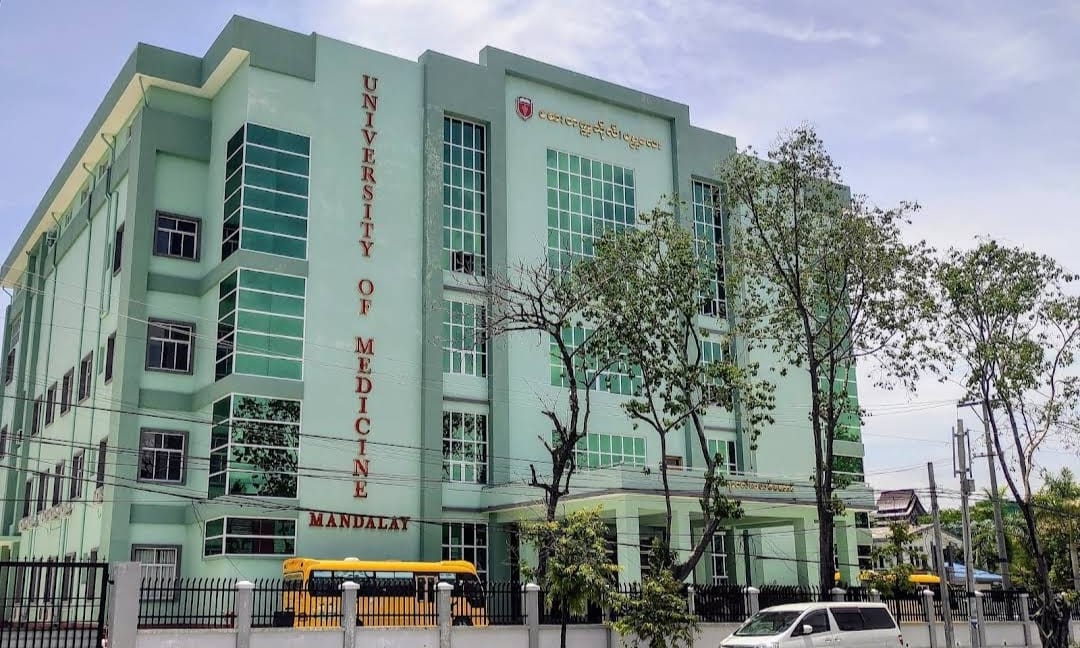
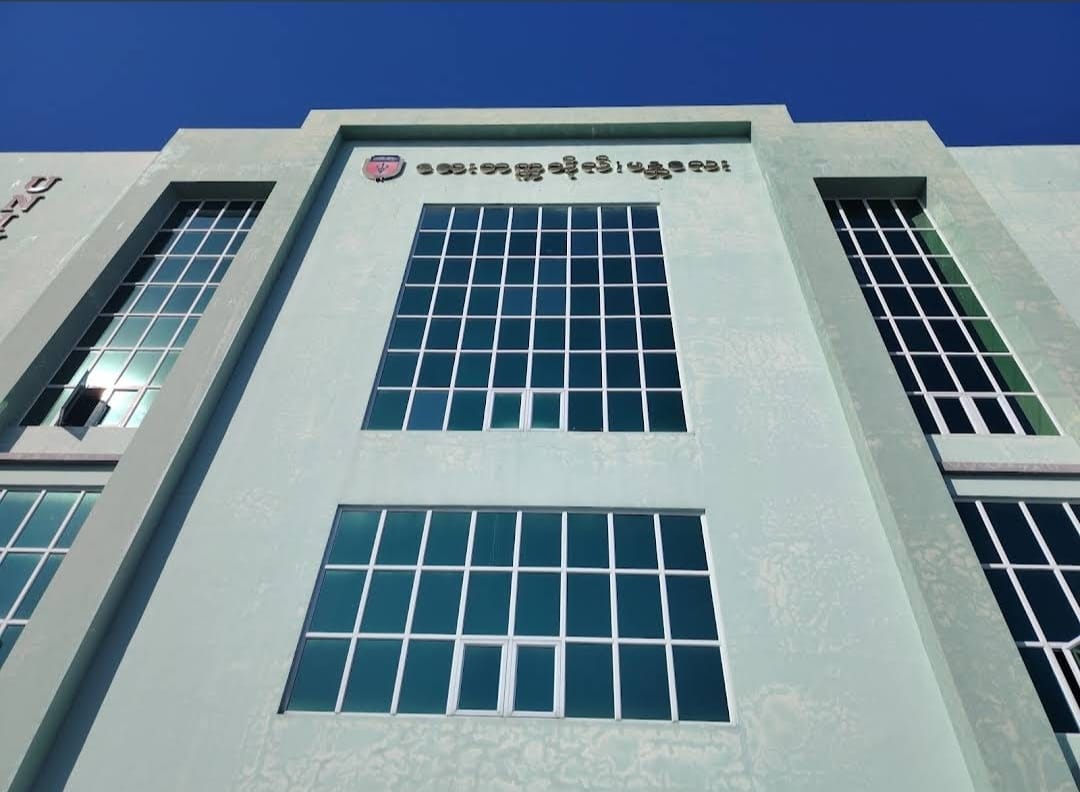
- The Main Academic Complex started out as a small red two-story building, but it has since grown into a huge modern building on 30th Street.
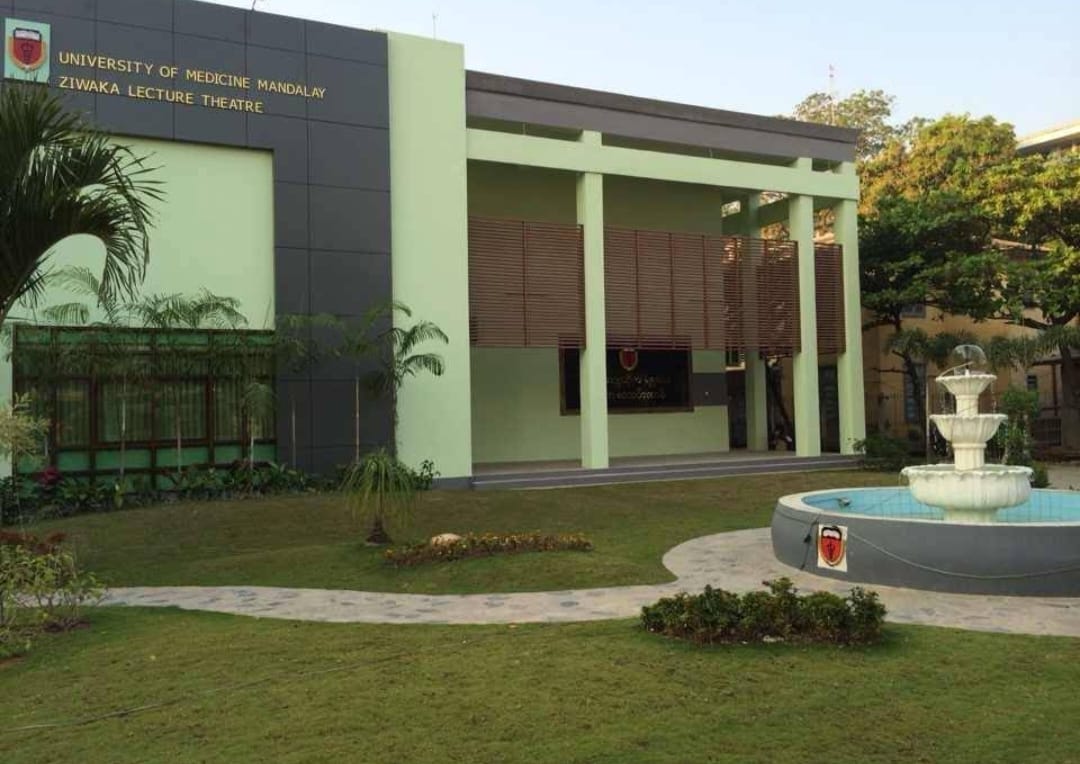
- Ziwaka Hall and Aung Pin Le Hall are two big ceremonial and lecture halls where national medical conferences, graduation ceremonies, and student events are held.
- The Medical Education Research and Scholarship Unit (MERSU) is a department that focuses on improving medical teaching and faculty development.
- Clinical Skill Lab: This lab has advanced simulation equipment that lets students practice clinical exams and emergency procedures in a safe environment.
- The Advanced Research Laboratory is a central hub with modern diagnostic and molecular biology tools that help graduate students with their research.
- Central Library: Has a huge collection of medical books, both physical and digital, and gives you access to international e-journal databases 24/7.
- Departmental Teaching Museums: These are specialized museums for Pathology, Forensic Medicine, and Human Anatomy that hold rare and useful medical specimens.
- The Anatomy Dissection Theatre is a big place where pre-clinical students study the gross anatomy of humans.
- ICT Center: A computer lab just for health informatics and high-speed internet for students to use for research.
- Multimedia Teaching Auditoriums: Several lecture halls with modern audio-visual systems for problem-based learning (PBL) sessions that are interactive.
Hospital & Medical Facilities
Leading tertiary care hospital attached to the institution
UMMDY is part of a large network of 13 hospitals in and around Mandalay, which gives students a lot of clinical experience.
- Mandalay General Hospital (MGH) is the main teaching hospital and has 1,500 beds. It has 28 specialist departments and sees more than 1,200 patients every day.
- The Upper Myanmar Heart Centre is part of the MGH complex and offers specialized training in cardiovascular medicine and surgery.
- 300-bed Teaching Hospital Mandalay: A modern hospital that offers a variety of clinical clerkships and postgraduate training.
- Central Women's Hospital (Mandalay): The best place in Upper Myanmar for obstetrics and gynecology rotations for mothers.
- Central Children's Hospital (Mandalay) is a specialized pediatric hospital that trains doctors and nurses in all aspects of child health.
- Specialty Teaching Sites: The Orthopaedic Hospital, the Eye, Ear, Nose, and Throat (EENT) Hospital, and the Mental Health Hospital Mandalay are all examples.
Fee Structure
State University Affordability
Because it is a public university, the fees are low for students from Myanmar. However, the rates for international and private tracks are set by the government.
Scholarship
- Merit Scholarships: Local students can earn up to $1,200 a year for good grades.
- Government Stipends: The Ministry of Health gives students who meet certain socio-economic requirements monthly stipends.
- Research Grants: The university's research council gives money to graduate students (M.Med.Sc, Dr.Med.Sc, and PhD) to do research.
City Details
- The Vibe: Mandalay is the cultural capital of Myanmar, known for its royal history, craftsmanship, and vibrant markets. The campus is centrally located near the Mandalay Palace.
- Connectivity:
- Air: Mandalay International Airport (MDL) is the main hub, located about 45 minutes from the city center.
- Transport: Mandalay is famous for its grid-like streets; taxis, motorbikes, and buses are the primary modes of transport.
Hostel & Mess
- Accommodation: The university manages two main hostels: Aung Sann (Male Hostel) and Zizawah (Female Hostel), offering a community-focused living environment.
- Canteens: Several on-campus canteens provide affordable breakfast and lunch, often cited by students as a great place for social interaction.
- Student Societies: Active groups include the Students’ Medical Society, which organizes cultural festivals, sports meets, and blood donation drives.
- Well-being: The university has implemented a House System and student well-being programs to support mental health and peer mentorship.
- Events: Notable events include the "Paying Homage" ceremony and various "Medical Fairs" showcasing student research and public health initiatives.
Miscellaneous
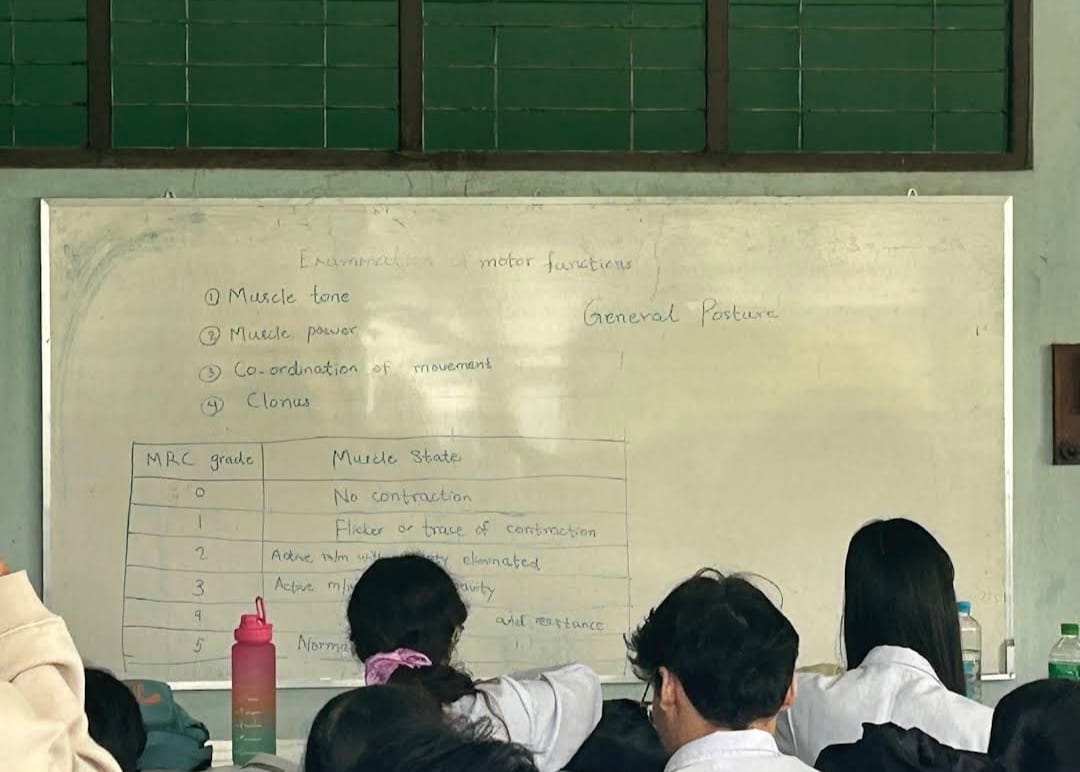
- Outcome-Based Integrated Curriculum: Students now study via integrated system modules (Cardiovascular, Respiratory, etc.) rather than isolated subjects.
- House Officer Training: A mandatory 1-year paid internship (House Surgeon) in affiliated hospitals is required before the degree is finalized.
Collage Images Gallery
Facilities & Campus Life

Well-equipped Library

Experienced Faculty

Computer Lab

Sports Activities

Heritage Campus


Frequently Asked Questions
Why Consult With Us?
- 15+ years of experience in medical education counseling
- 5000+ students successfully guided
- 50+ partner universities worldwide
- Free initial consultation with no obligation