

University of Nairobi School of Medicine

General Information
The University of Nairobi (UoN) School of Medicine, now part of the Faculty of Health Sciences (FHS), is the premier and oldest medical school in Kenya. Established in 1967, it is located at the Kenyatta National Hospital (KNH) Campus, providing students with an unparalleled clinical environment. It is globally recognized for its research in HIV/AIDS, vaccine development, and infectious diseases.
General Info
- Primary Location: Kenyatta National Hospital (KNH) Campus, Hospital Road, Nairobi.
- Degree Awarded: Bachelor of Medicine and Bachelor of Surgery (MBChB).
- Program Duration: 6 years.
- Curriculum: The revised curriculum emphasizes early introduction to Clinical Skills and ICT, utilizing face-to-face, online, and blended learning modes.
- Accreditation: Fully accredited by the Kenya Medical Practitioners and Dentists Council (KMPDC) and listed in the World Directory of Medical Schools.
Campus Facilities
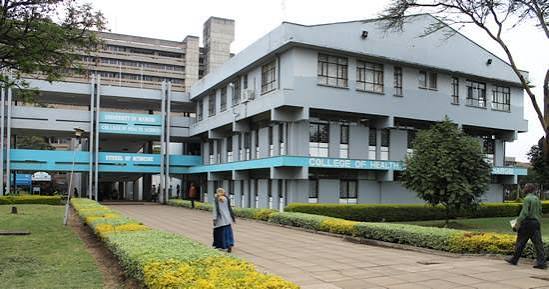
The Faculty operates across several campuses in Nairobi, primarily the KNH and Chiromo campuses.
- Human Anatomy Laboratory (Chiromo): A world-class facility where students spend their first two years studying the foundations of medicine.
- UNITID Bio-containment Lab: A state-of-the-art research facility for high-risk pathogens and tropical infectious diseases.
- KAVI Institute of Clinical Research: An award-winning center globally recognized for its HIV vaccine trials.
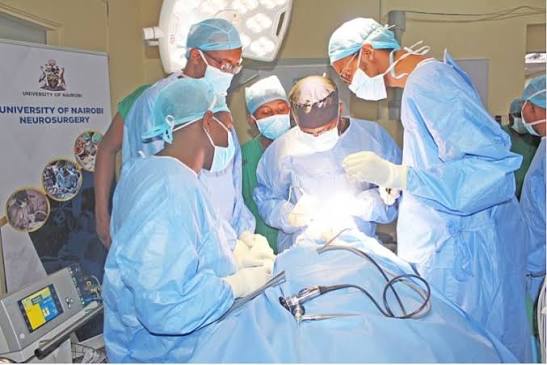
- Surgical Skills Lab: The first of its kind in Sub-Saharan Africa, allowing students and practitioners to hone complex surgical techniques.
- FHS Library: A specialized medical library with 24-hour access to high-impact clinical databases like PubMed and ScienceDirect.
- Herbal Medicine Research Lab: Focused on integrating traditional medicine with modern clinical practices.
- Medical Skills Laboratory: A simulation hub used for Objective Structured Clinical Examinations (OSCEs).
- Faculty Gym & Sports Fields: Facilities for physical well-being located within the KNH residential area.
- ICT & E-Learning Centre: Supports the university's transition to digital medical records and telemedicine training.
- Center for HIV/AIDS Research and Training (CHART): A dedicated hub for the faculty’s extensive epidemiology and research projects.
Hospital & Medical Facilities
Leading tertiary care hospital attached to the institution
Students have access to the most diverse patient population in East Africa through multiple clinical sites:
- Kenyatta National Hospital (KNH): The primary 1,800-bed teaching hospital. Students rotate through specialized units like the Renal Unit, Heart Unit, and Burn Centre.
- Mathari Teaching and Referral Hospital: The national psychiatric referral center, used for the clinical psychiatry rotation.
- UoN Dental Hospital: A specialized facility for dental surgery students on the KNH campus.
- Various County Hospitals: Senior students often rotate through hospitals in Nairobi and Kiambu for community-based health clerkships.
Fee Structure
State University Affordability
Fees at UoN depend on the student's entry mode: Regular (Government-sponsored) or Module II (Self-sponsored).
Scholarship
- Higher Education Loans Board (HELB): The primary source of funding for Kenyan medical students.
- HEF Funding: New tiered government grants based on the student's financial vulnerability.
- University of Nairobi Alumni Association (UONAA) Bursaries: Awarded annually to high-achieving, needy medical students.
- Rattansi Educational Trust: A major external donor providing grants to UoN students for decades.
- Research Fellowships: Available for post-graduate students through partnerships with the University of Washington and Oxford University.
City Details
- The Vibe: The KNH campus is a city within a city. It is located just minutes from Nairobi’s Central Business District.
- Connectivity:
- Public Transport: All major "Matatu" routes serving Ngong Road and Upper Hill stop at the hospital gates.
- Internal Shuttle: Connects students between the Chiromo and KNH campuses.
- Safety: The medical campus is gated and highly secure, but vigilance is required in the surrounding urban areas.
Hostel & Mess
- Accommodation: Pre-clinical students live at Chiromo Campus. Clinical students move to hostels at the KNH Campus (e.g., Clinical Mess Hostels). All have strict access control and CCTV.
- Dining: The "Clinical Mess" is a famous social and dining hub where students get affordable, hot meals between hospital shifts.
- Vibe: Serious, fast-paced, and highly clinical. The UNSA (University of Nairobi Students Association) and the Association of Medical Students (AMS) are central to student life.
- Professional Groups: Students are encouraged to join specialized clubs like the Neurosurgery Club or the Emergency Medicine Society.
Miscellaneous
- Admission Requirements (MBChB):
- KCSE: Minimum Mean Grade of C+ (plus) with a mandatory B (plain) in Biology, Chemistry, Mathematics/Physics, and English/Swahili.
- Alternate Entry: Diploma in Medical Sciences with a C+ mean grade or a relevant Biological Sciences degree.
- International Students: UoN is home to over 40 nationalities, with a dedicated International Students Office to assist with visas and induction.
Collage Images Gallery
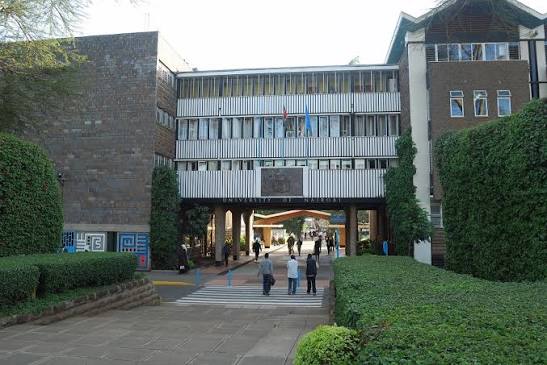
Facilities & Campus Life

Well-equipped Library

Experienced Faculty

Computer Lab

Sports Activities

Heritage Campus


Frequently Asked Questions
Why Consult With Us?
- 15+ years of experience in medical education counseling
- 5000+ students successfully guided
- 50+ partner universities worldwide
- Free initial consultation with no obligation