

University of Otago Medical School

General Information
The Otago Medical School (OMS), part of the University of Otago, is New Zealand’s oldest and most prestigious medical school. While the University is headquartered in Dunedin, its clinical training spans across three main campuses (Dunedin, Christchurch, and Wellington) to provide a comprehensive healthcare education.
General Info
Established: 1875.
Location: 270 Great King Street, Dunedin (and clinical campuses in Christchurch/Wellington).
Degree Awarded: MB ChB (Bachelor of Medicine and Bachelor of Surgery).
Duration: 6 years.
Language of Instruction: English.
Accreditation: Fully accredited by the Medical Council of New Zealand and the Australian Medical Council. It is listed in the World Directory of Medical Schools (WDOMS).
Campus Facilities
Early Learning in Medicine (ELM): The first three years are based in Dunedin. The curriculum is integrated, combining basic sciences with clinical relevance from the outset.
Advanced Learning in Medicine (ALM): Years 4 to 6 are the clinical years. Students are split between the three campuses: Dunedin, Christchurch, and Wellington.
Culture: Otago is famous for its vibrant "Scarfie" student culture and its historic "Clocktower" campus, which is consistently ranked among the world's most beautiful.
Hospital & Medical Facilities
Leading tertiary care hospital attached to the institution
Dunedin Public Hospital: A major 350+ bed tertiary hospital located immediately adjacent to the medical school. It serves as the primary teaching site for those based in Dunedin.
Regional Networks: Students also rotate through smaller hospitals (like Southland Hospital in Invercargill) and rural health centers to experience a variety of medical settings.
Trainee Intern (TI) Year: Year 6 is an "apprenticeship" year where students act as Trainee Interns, receiving a state-funded stipend and assuming high-level responsibility in patient care.
Fee Structure
State University Affordability
Tuition for medicine is significantly higher for international students compared to domestic NZ citizens.
International Tuition Fee (Years 2–3): Approx. $92,125 NZD per year.
International Tuition Fee (Years 4–6): Approx. $105,285 NZD per year.
Student Services Fee: Approx. $1,100 NZD per year.
Health Sciences First Year (HSFY): For those entering through the first-year pathway, the cost is roughly $36,000 – $40,000 NZD.
City Details
The "Edinburgh of the South": Dunedin is a student city where roughly 20% of the population is associated with the University.
Transport: The campus is centrally located and highly walkable. For clinical rotations, students often use local buses (subsidized for students) or personal vehicles.
Climate: Temperate/Maritime. Expect cool, crisp winters and mild summers. Warm clothing is essential.
Safety: One of the safest cities in New Zealand, with a strong community feel.
Hostel & Mess
Residential Colleges: Dunedin is renowned for its 15 residential colleges (e.g., St Margaret's, Knox, or University College). These are fully catered, meaning 3 meals a day are provided.
Cost: Approx. $20,000 – $22,000 NZD per academic year (40 weeks).
Flatting (Private Housing): From Year 2 onwards, most students move into "flats" (shared houses).
Rent: $180 – $320 NZD per week per person.
Mess/Dining: Colleges offer diverse menus. Students in flats typically self-cater, budgeting around $100 – $150 NZD per week for food.
Miscellaneous
Pathway: Most students enter via the Health Sciences First Year (HSFY). High grades across all 7 papers and a valid UCAT ANZ score are required.
Graduate Entry: Candidates with a prior degree can apply under the "Graduate Category."
International Quota: Places for international students are strictly limited (often fewer than 20 per year).
NEET (For Indians): Mandatory for Indian citizens intending to return to India to practice.
Internship: After graduation, international students are not guaranteed a "house officer" (internship) position in NZ; priority is given to domestic graduates.
Collage Images Gallery
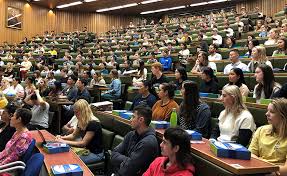
Facilities & Campus Life

Well-equipped Library

Experienced Faculty

Computer Lab

Sports Activities

Heritage Campus


Frequently Asked Questions
Why Consult With Us?
- 15+ years of experience in medical education counseling
- 5000+ students successfully guided
- 50+ partner universities worldwide
- Free initial consultation with no obligation