

University of Saskatchewan College of Medicine

General Information
The College of Medicine at the University of Saskatchewan (USask) is the only medical school in the province. It is uniquely committed to rural health, Indigenous medicine, and serving the specific health needs of the Saskatchewan population.
Crucial Eligibility Note: Admission to the MD program is primarily reserved for Canadian citizens or Permanent Residents. All applicants must have lived in Canada for at least three years prior to the year of admission. International students are typically not eligible for the MD program, though they can apply for graduate health science programs (MSc/PhD).
General Info
Established: 1926 (Full MD program accredited in 1957).
Location: Health Sciences Building, 107 Wiggins Rd, Saskatoon, SK.
Degree Conferred: Doctor of Medicine (M.D.).
Duration: 4 Years (Postgraduate entry).
Language of Instruction: English.
Accreditation: Fully accredited by the CACMS (Canada). Graduates are eligible for medical residency across North America.
Campus Facilities
Health Sciences Building: A state-of-the-art integrated facility in Saskatoon that facilitates collaboration between medicine, nursing, pharmacy, and dentistry students.
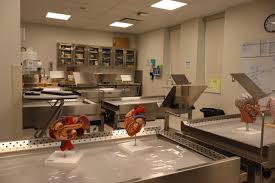
Curriculum Phases: * Years 1–2 (Pre-Clerkship): Focused on foundations of clinical medicine, anatomy, and clinical skills training.
Years 3–4 (Clerkship): Full-time clinical rotations.
Indigenous Health: The college is a leader in Indigenous health education. All applicants are required to complete an Indigenous Studies prerequisite course or certificate before applying.
Hospital & Medical Facilities
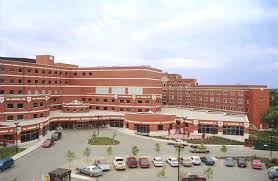
Leading tertiary care hospital attached to the institution
The college utilizes a distributed medical education model with three main campuses:
Saskatoon Campus: Affiliated with Royal University Hospital (connected to the university), St. Paul’s Hospital, and Saskatoon City Hospital.
Regina Campus: Based at Regina General Hospital and Pasqua Hospital, serving the southern part of the province.
Prince Albert Site: Offers specialized training in rural and northern medicine, including high exposure to Indigenous health and prison health.
SLIC Sites: The Saskatchewan Longitudinal Integrated Clerkship (SLIC) allows Year 3 students to spend their entire clerkship year in a smaller community (e.g., Estevan, Melfort) to experience comprehensive patient care.
Fee Structure
State University Affordability
Tuition for the MD program is assessed as an annual flat fee.
Domestic (In-Province/Canadian) Tuition: Approximately $21,897 CAD per year.
Mandatory Student Fees: Approx. $1,458 CAD per year (includes transit pass, health/dental insurance, and athletic fees).
Application Fee: $125 CAD.
Incidental Costs: Expect to spend $2,000 – $4,000 annually on textbooks, medical equipment (stethoscopes), and licensing exam fees.
City Details
Vibe: Known as the "Paris of the Prairies" due to its many bridges, Saskatoon is a growing, friendly city with a strong sense of community.
Transport: The U-Pass (included in student fees) provides unlimited access to the Saskatoon Transit bus system.
Climate: Extreme continental climate. Winters are very cold and snowy (often below -20°C), while summers are warm and sunny.
Cost of Living: One of the most affordable cities in Canada for university students.
Hostel & Mess
Graduate House: The preferred on-campus residence for medical and professional students.
Cost: Approx. $1,154 – $1,432 per month (includes utilities and Wi-Fi).
Meal Plans: While residences like Voyageur Place offer full meal plans, most medical students in Graduate House self-cater.
RCC (Retail Cash Credits): Student accounts can be loaded with credits for use at on-campus food outlets like Marquis Hall.
Off-Campus: Suburbs like Varsity View and Greystone Heights are within walking distance.
Rent: Shared housing ranges from $600 – $1,000 CAD per month.
Miscellaneous
Academic: A 4-year Bachelor’s degree in any subject with a minimum average of 80%.
Standardized Tests:
MCAT: Mandatory. Scores are used in the ranking process.
CASPer: Mandatory online situational judgment test.
Indigenous Course: Completion of an approved Indigenous studies course is a mandatory prerequisite by the application deadline.
Interview: Selection is based on a ranking of MCAT, CASPer, and academic scores. Top-ranked candidates are invited to an interview.
Timeline: Applications for the 2026 intake typically open in August and close on October 1, 2025.
Collage Images Gallery
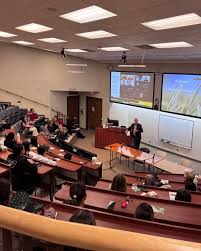
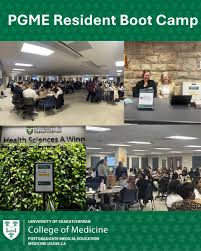
Facilities & Campus Life

Well-equipped Library

Experienced Faculty

Computer Lab

Sports Activities

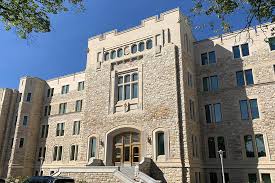
Heritage Campus


Frequently Asked Questions
Why Consult With Us?
- 15+ years of experience in medical education counseling
- 5000+ students successfully guided
- 50+ partner universities worldwide
- Free initial consultation with no obligation