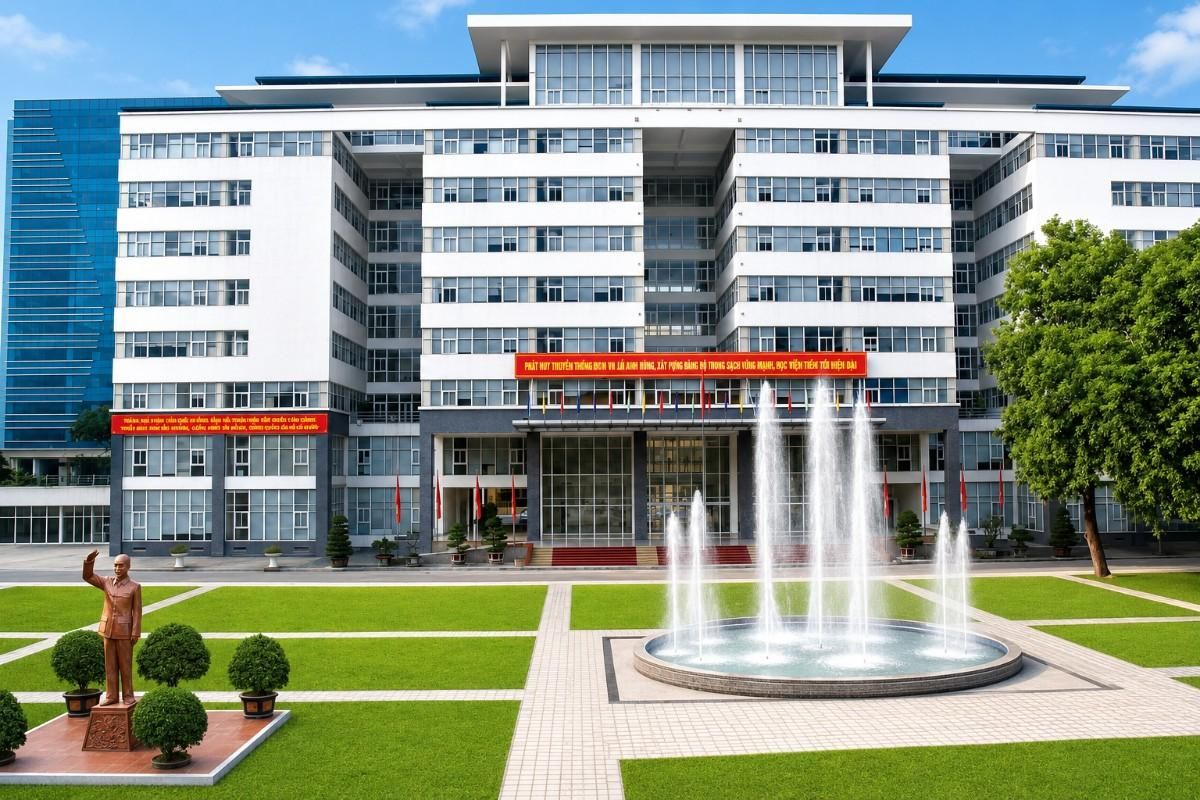
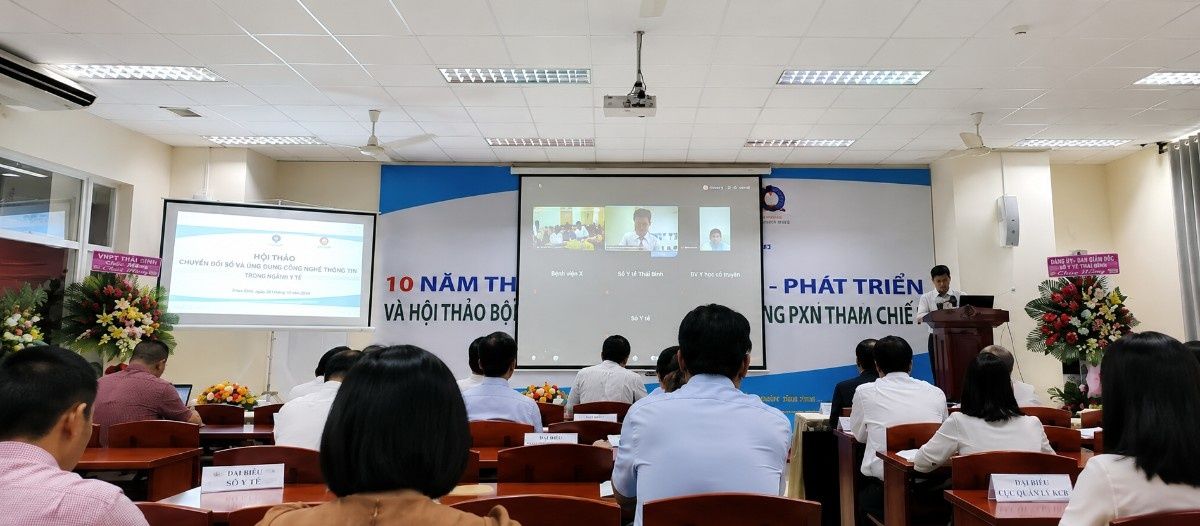
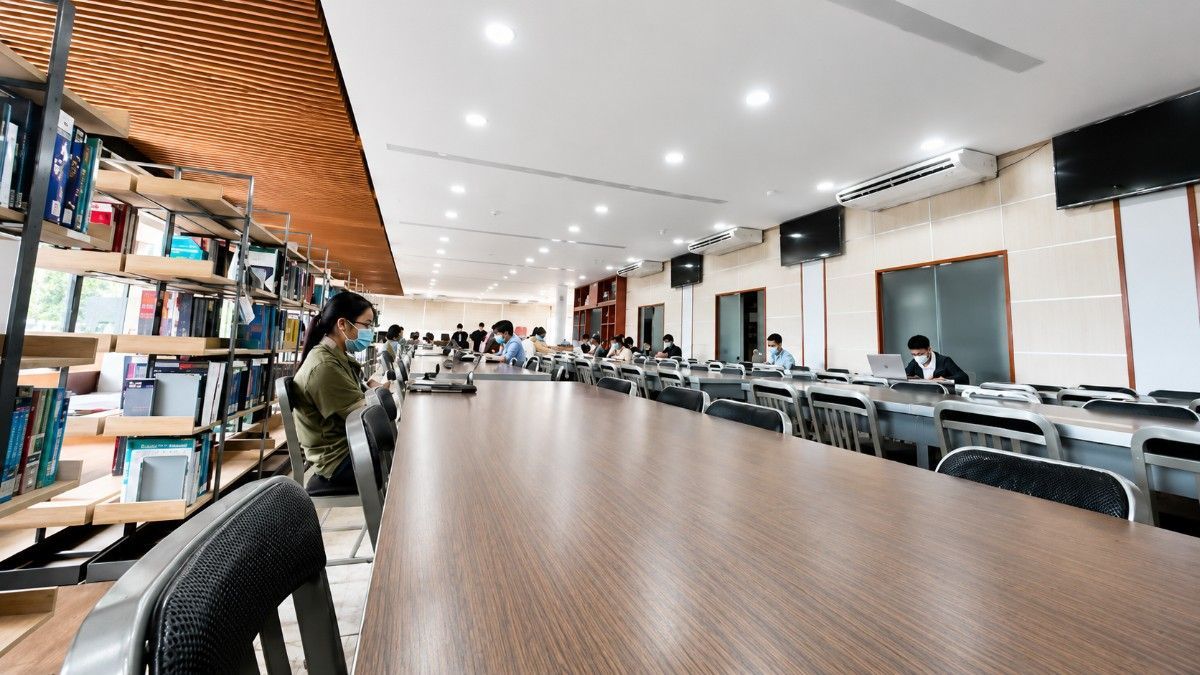
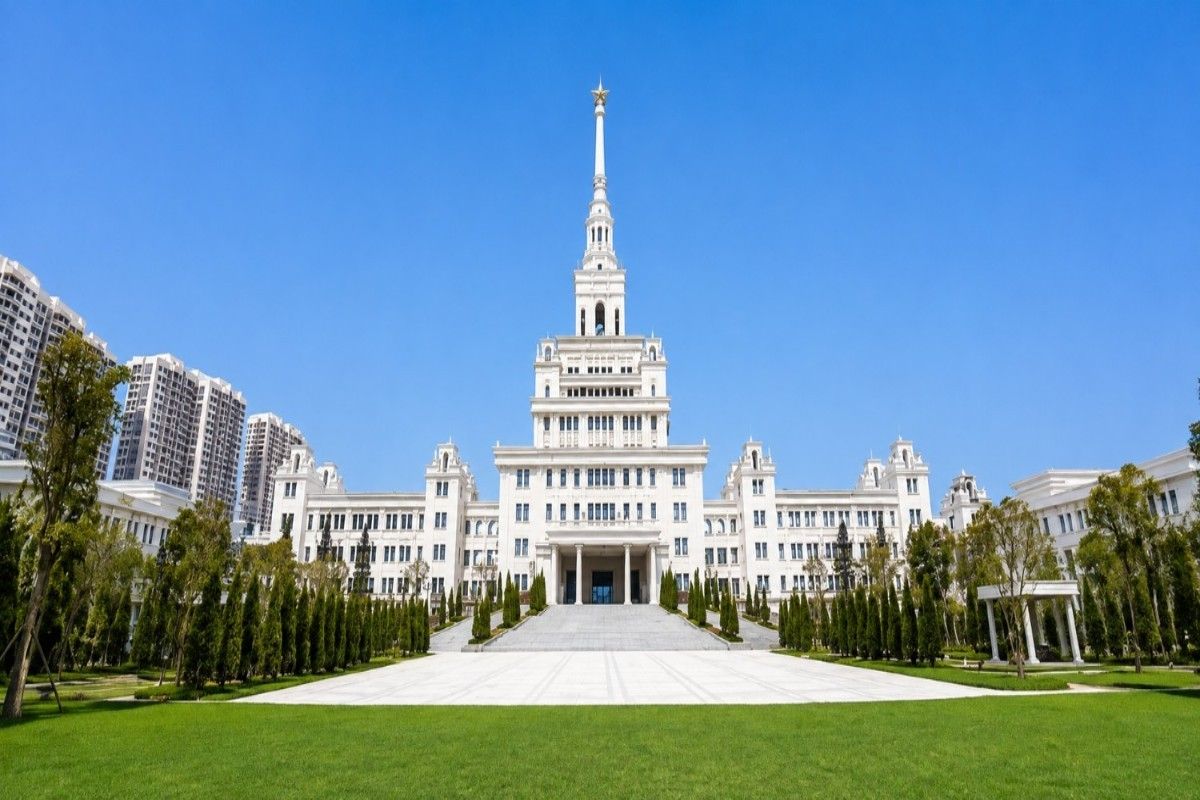
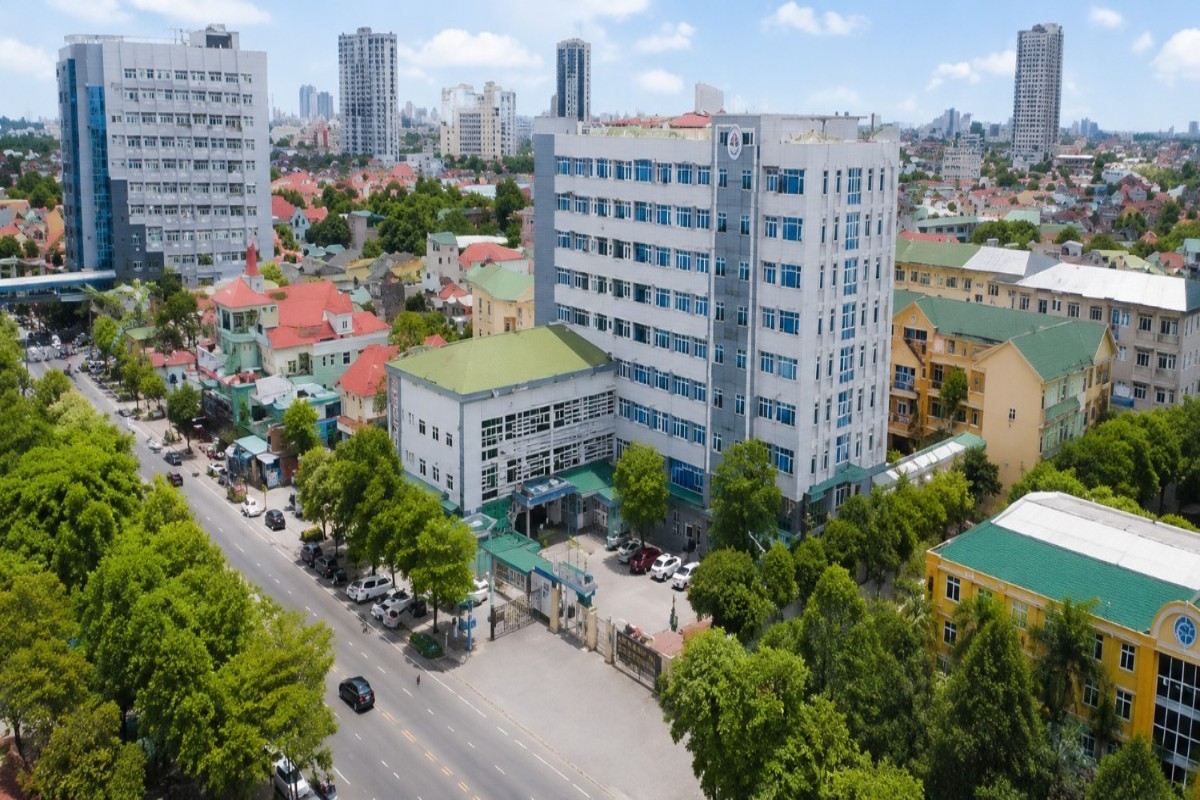
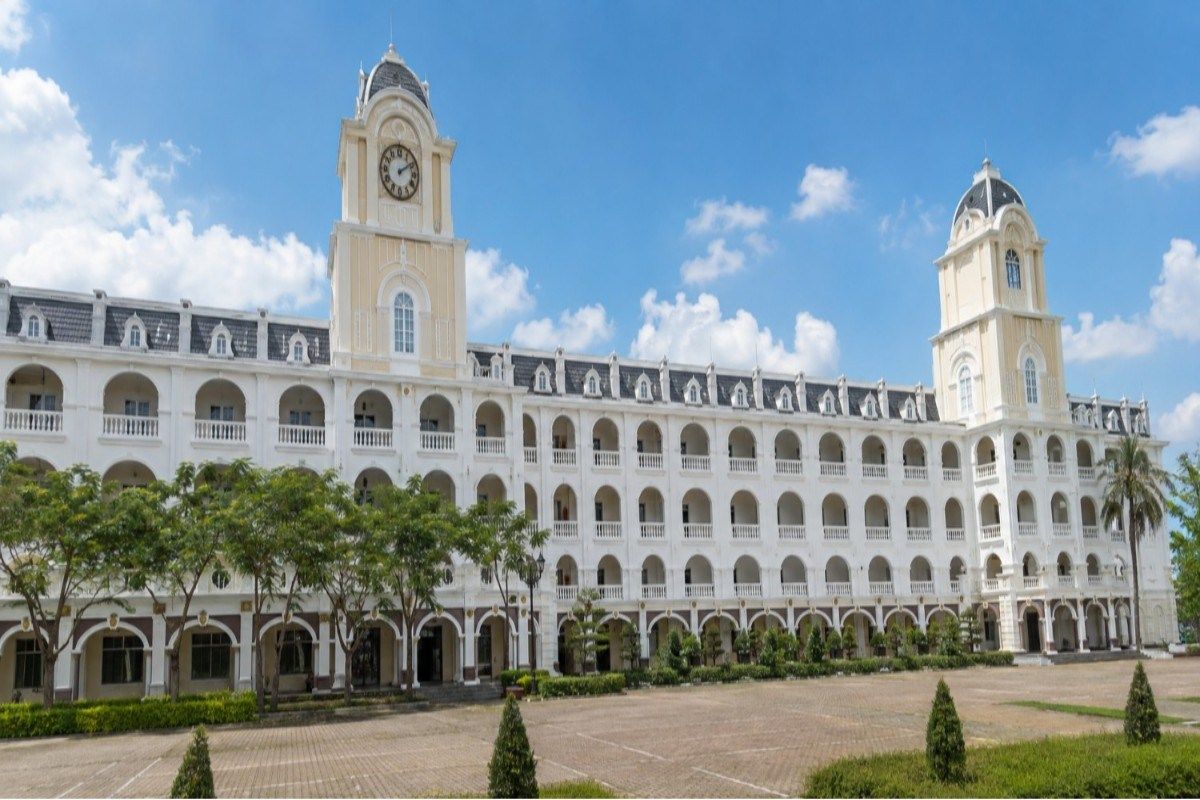
Vietnam Military Medical University (VMMU) was founded in 1949 as the School of Military Medicine the medical training arm of the People's Army of Vietnam and has evolved over 77 years into a comprehensive military and civilian medical education institution with a reputation that extends well beyond its original military mandate. Today VMMU offers training programmes for both military doctors under strict armed forces criteria and general medical practitioners under a civilian track, with international students enrolling in the civilian general medicine programme that runs to the same academic standards as any other NMC-compliant Vietnamese medical university.
The civilian general medicine programme at VMMU is module-based a curriculum design that allows focused, efficient learning of integrated medical content rather than the traditional isolated subject approach. This modular structure has been noted positively by students for producing more coherent conceptual understanding in the pre-clinical years, as anatomy, physiology, and biochemistry are taught in integrated system-based modules rather than as separate, disconnected subjects. Nearly 87% of VMMU's faculty members hold advanced postgraduate qualifications a faculty credential profile that reflects the military institution's tradition of academic rigour and continuous professional development.
VMMU is located in Hanoi, giving its international students full access to the capital city's national hospital network for clinical rotations. The university enrolls approximately 400 students annually in its general medicine programme, maintaining a manageable class size that ensures more personalised faculty attention than some of the larger Vietnamese medical universities. The military institutional environment creates a campus culture of discipline, schedule adherence, and academic seriousness that students who prefer structure find genuinely supportive.
VMMU is recognised by the NMC of India, WHO, and is listed in the WDOMS. Annual tuition is approximately USD 3,500–5,000 per year, with total 6-year MBBS fees approximately USD 25,000–30,000. Hostel accommodation is available at affordable rates. The military campus is well-secured and maintained to an institutional standard higher than most civilian university campuses. For Indian students who want an NMC-approved Hanoi-based programme with a disciplined academic environment, a module-based curriculum, and a smaller cohort size that enables more faculty interaction, VMMU represents a distinctive and well-regarded option among Vietnam's medical universities.