

Zabol University of Medical Sciences Faculty of Medicine

General Information
Established in 1991, Zabol University of Medical Sciences is a public institution situated in the historic city of Zabol, Sistan and Baluchestan Province, in southeastern Iran. Located near the borders of Afghanistan and Pakistan, ZBMS serves as a critical healthcare and educational pillar for one of Iran's most geographically unique and underserved regions. Recognized by the WHO and the Iranian Ministry of Health, ZBMS offers a comprehensive 7-year Doctor of Medicine (MD) program. The university is particularly noted for its research into diseases associated with the region's climate (such as the "120-day winds") and its strong focus on Medicinal Plants and Infectious Diseases.
General Info
- Established: 1991.
- Primary Location: > Professor Naser Saeedi St., Zabol, Sistan and Baluchestan, Iran.
- Academic Model: Doctor of Medicine (MD).
- Structure: A 7-year program following the national integrated medical curriculum:
- Pre-clinical (2.5 Years): Foundations in Basic Medical Sciences.
- Physiopathology (1 Year): Transitioning into clinical reasoning and pathology.
- Clerkship (2 Years): Supervised rotations (Stagiaire) in clinical hospital wards.
- Internship (1.5 Years): Final immersive stage as a student-physician.
- Instruction: English for international student tracks. Mandatory Persian (Farsi) language modules are provided to ensure students can communicate effectively with patients during clinical rotations.
- Research Focus: Regional leader in Medicinal Plants, Infectious and Tropical Diseases, Environmental Health, and Toxicology.
- Admission: Open to international students with a high school diploma (PCB aggregate >50%). NEET qualification is required for Indian applicants.
Campus Facilities
The ZBMS campus features specialized research hubs that address the unique health and environmental challenges of the Sistan region.
- Zabol Medicinal Plants Research Center: A flagship center exploring the pharmacological potential of local desert flora.
- Pediatric Gastroenterology and Hepatology Research Center: Conducts specialized research into child nutrition and liver health.
- Clinical Skills Center (CSC): A modern simulation lab where students master life-saving procedures before ward entry.
- Infectious Diseases Research Unit: Focuses on the epidemiology of regional and cross-border communicable diseases.
- Anatomy & Dissection Hall: Provides modern facilities for cadaveric study and histological research.
- Environmental Health Lab: Specialized in studying the impact of the region's unique climate and dust storms on public health.
- Central Medical Library: Houses extensive collections of medical literature and provides 24/7 digital database access.
- IT & Multimedia Hub: Supports hybrid learning and research connectivity for international students.
- Student Research Committee (SRC): Actively supports student-led research projects and publications.
- Sports & Wellness Facilities: Includes university gyms and athletic grounds to support student physical health.
Hospital & Medical Facilities
Leading tertiary care hospital attached to the institution
ZBMS manages the primary clinical and emergency network for the northern Sistan and Baluchestan province:
- Amir Al-Momenin Hospital: The university’s primary tertiary teaching and referral center in Zabol.
- Imam Khomeini Hospital: A major clinical site providing diverse rotations in internal medicine and surgery.
- Seyed Al-Shohada Hospital (Zahak): An affiliated facility providing exposure to regional and rural healthcare challenges.
- Hirmand Hospital: A 32-bed facility supporting specialized training in the surrounding district.
- City Health Centers: A network across Zabol, Zahak, Hamoon, and Nimrooz that provides unique training in primary healthcare and preventative medicine.
Fee Structure
State University Affordability
ZBMS offers an exceptionally affordable public medical degree, ideal for students seeking quality education on a budget.
Scholarship
- Merit-Based Scholarship: International students with high academic standing can qualify for partial tuition waivers of 10% to 20%.
- Regional Incentives: Specialized grants are sometimes available for students coming from neighboring countries (Afghanistan and Pakistan).
- Research Support: Small stipends are provided to students who actively contribute to publications in the university's "Medicinal Plants" or "Public Health" journals.
City Details
- The Vibe: Zabol is known for its legendary history and the "120-day winds." The climate is arid and desert-like, with hot summers and cool winters.
- Connectivity:
- Zabol Airport (ACZ): Provides domestic flights to Tehran for international connections.
- Road: Well-connected to the provincial capital, Zahedan (approx. 2.5 hours away).
- Safety: High; as a university city, it is very hospitable and safe for foreign students.
Hostel & Mess
- Accommodation: The university provides secure, furnished dormitories for international students. Facilities include Wi-Fi, laundry rooms, and common study areas.
- Dining: Subsidized meals (traditional Persian and local Sistani styles) are available at the University Dining Hall.
- Vibe: Academic and community-focused. Zabol is a city with a deep historical heritage (near the "Burnt City" UNESCO site), offering a quiet and safe environment for medical study.
Miscellaneous
- Intakes: September (Main Intake).
- Documents: Requires high school transcripts (PCB aggregate), NEET scorecard (for Indians), Passport, and a Medical Fitness Certificate.
- Application Step: Students apply via the ZBMS International Admissions portal. After document screening, an online interview is usually conducted to evaluate academic aptitude.
Collage Images Gallery
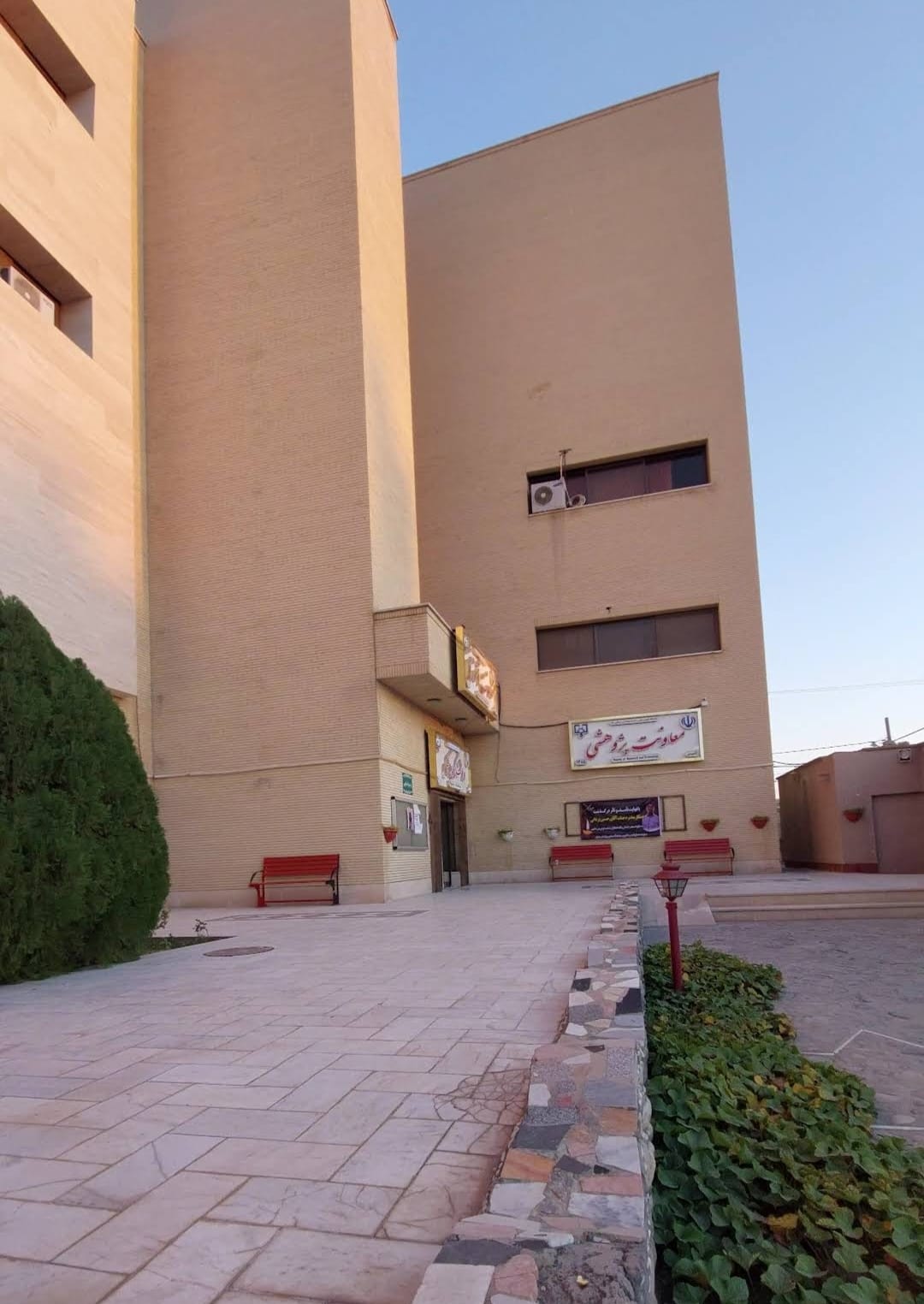
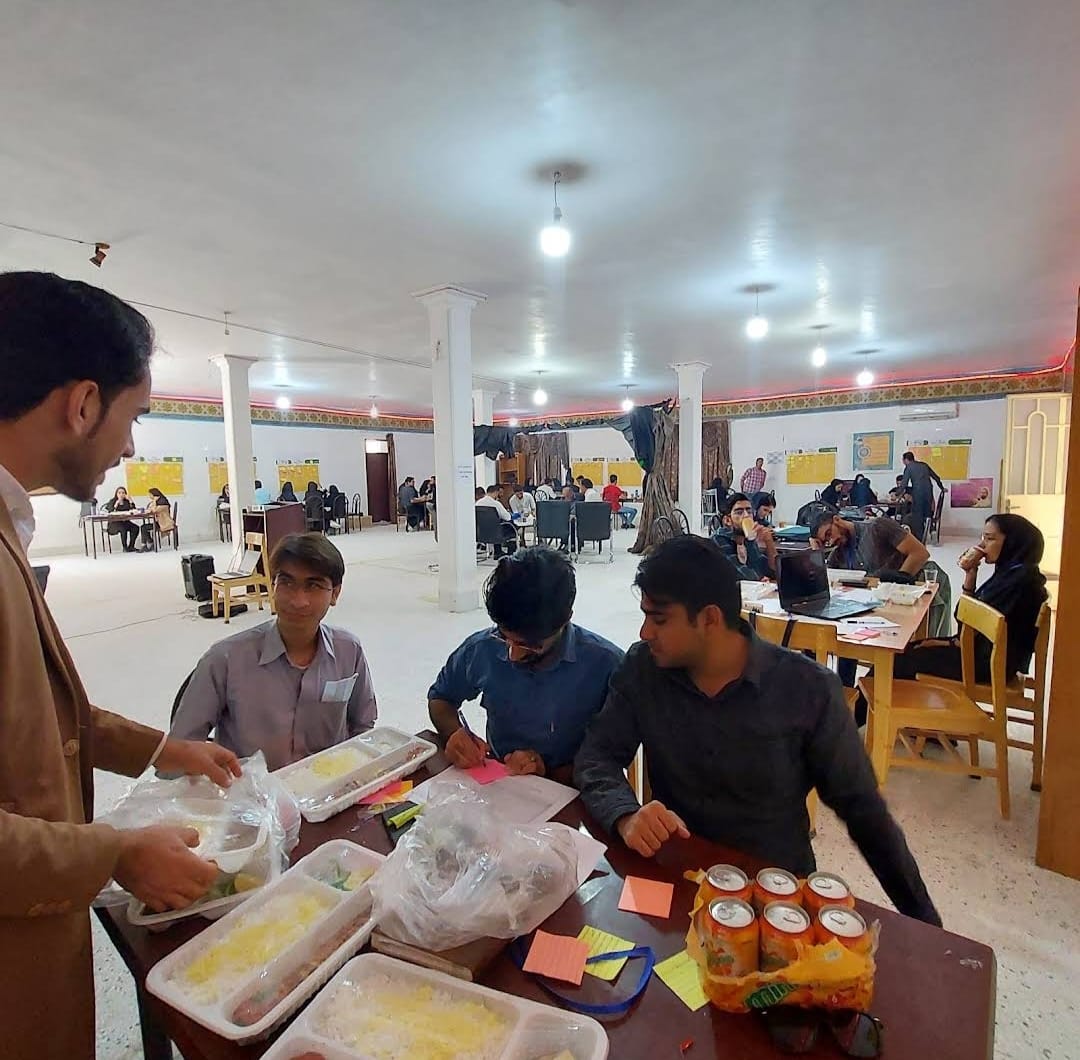
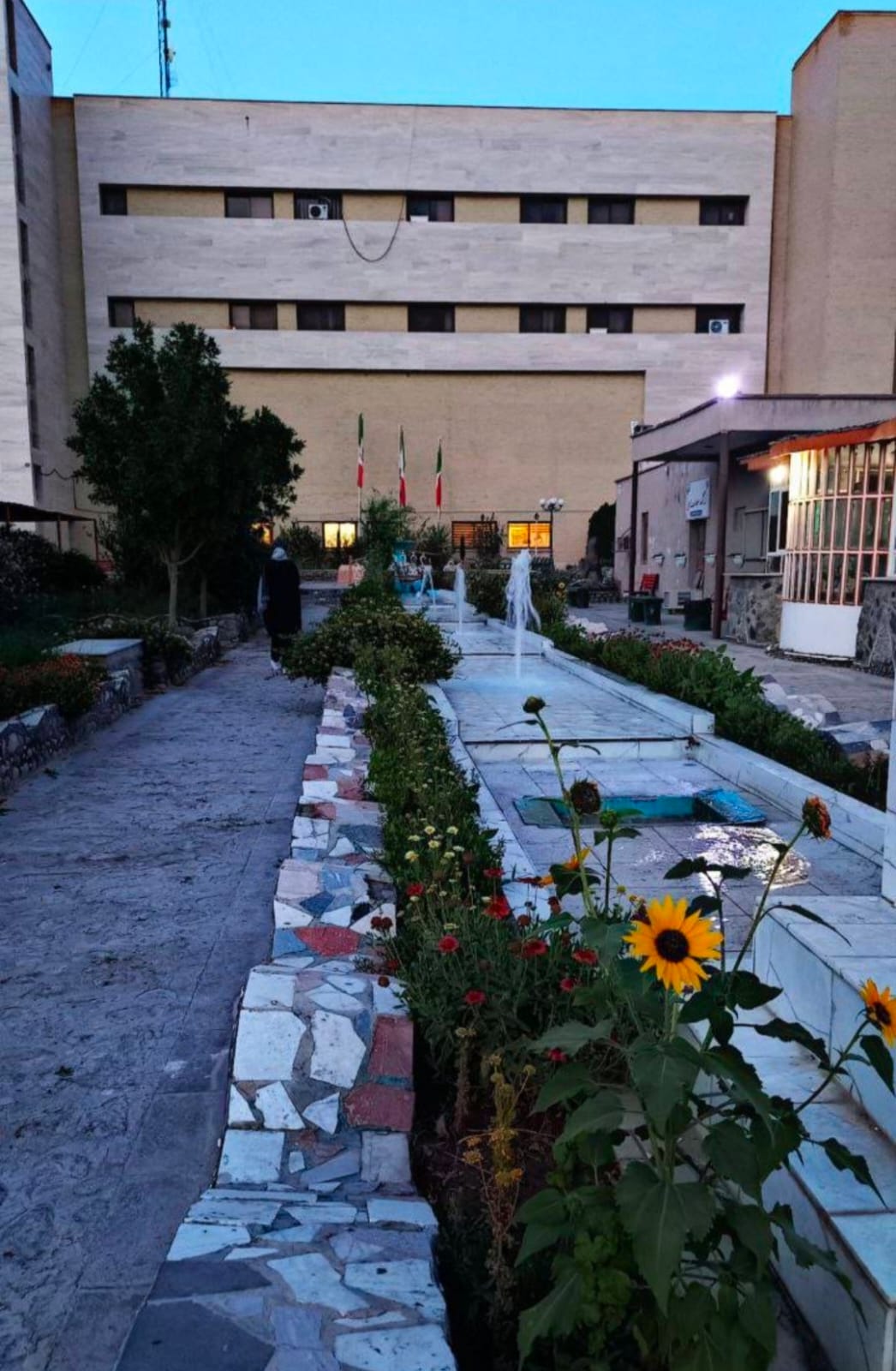
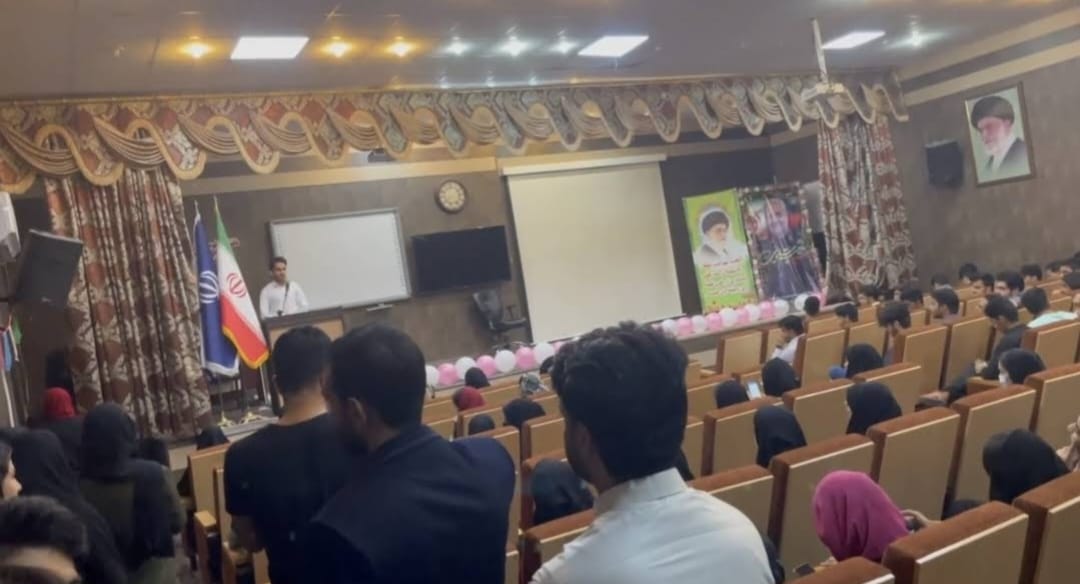
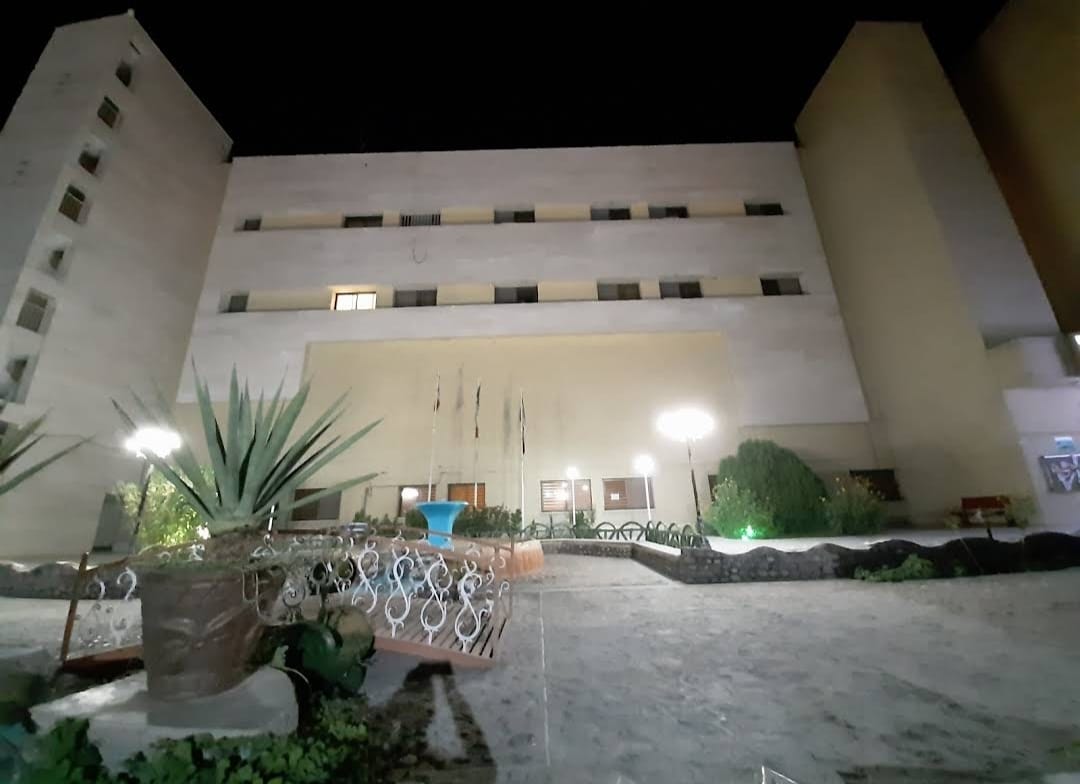
Facilities & Campus Life

Well-equipped Library

Experienced Faculty

Computer Lab

Sports Activities

Heritage Campus


Frequently Asked Questions
Why Consult With Us?
- 15+ years of experience in medical education counseling
- 5000+ students successfully guided
- 50+ partner universities worldwide
- Free initial consultation with no obligation