 Partner
📍Moldova, Chișinău
 Study destination: Moldova

Every year several students look to pursue their medical education abroad, due to limited government medical seats in India, and high private colleges fee. MBBS in Moldova offers Indian students a six-year, English-medium medical education pathway at an established public medical university in Eastern Europe. The programme combines basic medical sciences, clinical education, practical training and hospital-based learning.
Students considering MBBS in Moldova for Indian students should compare Moldova MBBS fees, NEET eligibility, admission requirements, clinical training, foreign internship arrangements, NMC regulations and FMGE eligibility before applying.
Moldova provides medical education through the Nicolae Testemițanu State University of Medicine and Pharmacy. This is a well-established public university in Chișinău. For students looking to pursue their Study MBBS Abroad this could be a good option as it provides an English medium course (6 years), European education and relatively low cost living.
However, when considering studying medicine abroad you should consider how recognised this course is, whether it will be licensed locally and what requirements you will have to meet to return to India.
The main medical educational institution in Moldova is Nicolae Testemițanu State University of Medicine and Pharmacy, founded in 1945. It offers an integrated Medical programme consisting of theory, practice and clinical teaching.
This course is six years long and leads to a Doctor of Medicine (MD). Modules include basic science, clinical medicine, public health and medical skills.
MBBS Abroad Language Requirements are important for Indian students considering Moldova.
The university offers the Medicine course in English but also in Romanian and others. This can make it easier for international students to understand lectures, medical terminology and assessments.
However, students may still require knowledge of Romanian to communicate with patients. It is a good idea to check what language will be used in teaching and practical work in the hospital.
The standard MBBS in Moldova course duration is 6 academic years including internship, foundational medical education, clinical subjects, practical learning and university examinations.
Students generally study:
Human Anatomy and Physiology
Biochemistry and Medical Biology
Pathology and Pharmacology
Microbiology and Immunology
Internal Medicine and General Surgery
Pediatrics
Obstetrics and Gynaecology
Psychiatry and Neurology
Emergency Medicine
Community and Family Medicine
Clinical skills and hospital training
The six-year programme follows an integrated medical education structure equivalent to 360 ECTS credits under the university's academic regulations.
Clinical education is a major part of the medical training in Moldova. Students develop practical medical skills through supervised learning at affiliated hospitals and healthcare institutions. Depending on the academic stage, clinical activities may include:
Hospital ward rounds
Patient history taking
Physical examinations
Clinical case discussions
Diagnostic investigations
Laboratory assessments
Surgical observations
Emergency medicine
Internal medicine
Pediatrics
Obstetrics and Gynaecology
Psychiatry
Community healthcare
Clinical simulation exercises
Students should verify the duration of clinical placements and how these differ from a separate postgraduate internship.
Moldova provides a great international environment. The main medical university in Chișinău allows you to take part in medical courses, education sessions, research projects and cultural activities with students from around the world.
You will have a great opportunity to live the European university lifestyle whilst learning about Moldova's healthcare system. It will be important to adapt to the local languages, climates and clinical communication.
The medical university provides opportunities for academic and scientific learning in several areas. The Students that are planning to pursue medical education here may encounter research activities involving:
Biomedical Sciences
Molecular Medicine
Medical Genetics
Immunology
Neuroscience
Oncology
Cardiology
Epidemiology
Public Health
Medical Microbiology
Clinical Pharmacology
Diagnostic Imaging
Medical Technology
Digital Healthcare
Clinical Research
Research participation depends on academic performance, available supervisors and institutional programmes.
Medical education in Moldova is supported by university laboratories, clinical facilities, simulation-based learning and affiliated healthcare institutions. Depending on the programme and academic year, available facilities may include:
Anatomy laboratories
Medical skills laboratories
Clinical simulation centres
Teaching hospitals
Diagnostic laboratories
Biomedical research facilities
Medical libraries
Digital learning resources
Clinical examination rooms
Specialist healthcare departments
Students should verify the actual clinical facilities accessible through their medical programme.
There are several benefits of studying MBBS in Moldova, some of the major ones are listed below :
Six-year integrated Medicine programme
English-medium medical education
Established public medical university
European academic structure
Clinical and hospital-based training
Medical simulation facilities
Biomedical research opportunities
International student community
Comparatively moderate living expenses
University academic support
Modern medical laboratories
Medical education after Class 12
Clinical communication training
Public health education
Exposure to European healthcare practices
Research and scientific seminars
Opportunities for postgraduate medical education
Moldova, also known as the Republic of Moldova, is a landlocked country in Eastern Europe. It is surrounded by Romania and Ukraine. The capital city is Chișinău and the currency is the Moldovan Leu (MDL). This country is famous worldwide for its rich culture and heritage. It has beautiful agricultural land, vineyards, universities and links to Europe.
The official language is Romanian, but Russian and other languages are spoken. English is also used in select international university courses. Some major cities and study destinations include:
Chișinău
Bălți
Cahul
Comrat
Orhei
Ungheni
Soroca
Edineț
Hîncești
Căușeni
For students researching MBBS in Moldova for Indian students, Chișinău is the primary medical education destination because it is home to Nicolae Testemițanu State University of Medicine and Pharmacy.
Particular | Details |
Country | Republic of Moldova |
Capital | Chișinău |
Location | Eastern Europe |
Bordering Countries | Romania and Ukraine |
Official Language | Romanian |
Other Languages | Russian and regional minority languages |
English-Medium Medicine | Available |
Currency | Moldovan Leu (MDL) |
Main Medical Education City | Chișinău |
Main Medical University | Nicolae Testemițanu State University |
University Established | 1945 |
Medical Programme | Integrated Medicine |
Primary Qualification | Doctor of Medicine (MD) |
Academic Duration | 6 years(5+1) |
Academic Credits | 360 ECTS |
Admission After Class 12 | Available to eligible students |
International Admission | University-specific |
Main Intake | Generally autumn |
Indian NEET | Relevant under applicable Indian rules |
Indian Medical Registration | Subject to NMC regulations |
Moldova is known for its rich and diverse culture which is heavily influenced by the Romanian and Eastern European countries. Traditional music, festivals and local food are an important aspect of daily life. Indian students will have the opportunity to engage with the universities' cultural activities, academic opportunities and international student activities. A basic level of Romanian will enable students to navigate around the supermarket, public transport, accommodation and health services.
Moldova has a temperate continental climate, with warm summers and cold winters. The summers here, may be warm to hot, while winter temperatures can fall below freezing. Snowfall is also possible during colder months. Therefore, the students should prepare for:
Winter jackets
Thermal clothing
Suitable footwear
Heating arrangements
Seasonal changes
Rain and occasional snowfall
Moldova offers local and international foods, including vegetables, bread, rice, potatoes, soups, dairy products and meat dishes.
Indian students may find selected groceries and international food products in Chișinău. The availability of familiar ingredients may vary. Self-cooking and shared accommodation can help students manage food expenses. Students should not assume that every university hostel provides a dedicated Indian mess.
Medical students, while living in Moldova may also participate in sports, volunteering, cultural programmes, research activities, student organisations and educational workshops.
University life also includes lectures, laboratory practicals, internal examinations and clinical training. Students planning to study MBBS in Moldova should balance extracurricular activities with their academic responsibilities.
Particular | Details |
Popular Search Term | MBBS in Moldova |
Medical Degree | Doctor of Medicine (MD) |
Programme Type | Integrated Medicine |
Standard Academic Duration | 6 years(5+1) |
Academic Credits | 360 ECTS |
English-Medium Education | Available |
Main Medical University | Nicolae Testemițanu State University |
University Location | Chișinău |
NEET Requirement | Relevant under Indian regulations |
Admission Assessment | University-specific |
Published Annual Medicine Tuition Reference | €6,000 |
Approximate Annual Tuition in INR | ₹6.25 lakh |
Indicative Six-Year Tuition | €36,000 |
Approximate Six-Year Tuition in INR | ₹37.48 lakh |
Student Living Budget | Approximately €400–650 monthly |
Main Intake | Autumn |
Language Preparation | University-specific |
Clinical Training | Integrated into the programme |
Separate Foreign Internship | Requires verification |
WDOMS | University listed |
WHO | No blanket approval for Indian registration |
FMGE | Required where applicable |
Currency | MDL; tuition quoted in EUR |
Currency Note: INR calculations on this page use an illustrative exchange rate of €1 ≈ ₹104.11, based on 16 November 2026. Actual payments depend on exchange rates and bank charges.
Important Admission and Fee Note: The university's official Medicine programme listing identifies €6,000 annual tuition for 2025–26. This figure is used as a reference for 2026–27 planning, not as a confirmed current fee. The official programme is six years, full-time and English-taught.
The standard MBBS in Moldova course duration is 6 years(5+1). The qualification is generally titled Doctor of Medicine (MD) rather than MBBS, which is the commonly used Indian name for undergraduate medical education. The integrated Medicine programme combines theoretical knowledge with clinical competencies and practical learning.
The course takes place in two semesters over an academic year. The university's academic rules state that the Medicine degree will give you 360 transferrable credit points over the six years of study.
The initial academic years focus on understanding the structure and functions of the human body.
Subjects may include:
Human Anatomy
Human Physiology
Biochemistry
Medical Biology
Histology
Embryology
Cell Biology
Medical Genetics
Medical Physics
Chemistry
Medical Terminology
Romanian Language
Medical Ethics
Introduction to Clinical Practice
Students develop foundational scientific knowledge and begin learning how medical concepts apply to patient care.
The third academic stage introduces subjects that explain diseases, infections, diagnosis and treatment.
Common subjects may include:
Pathology
Pathophysiology
Pharmacology
Microbiology
Immunology
Epidemiology
Public Health
Medical Diagnostics
Medical Psychology
Professional Ethics
Introduction to Internal Medicine
The exact sequence varies according to the approved curriculum.
The clinical years focus increasingly on disease diagnosis, patient assessment and practical healthcare.
Students may study:
Internal Medicine
General Surgery
Pediatrics
Obstetrics and Gynaecology
Psychiatry
Orthopaedics
Neurology
Emergency Medicine
Dermatology
Ophthalmology
ENT
Infectious Diseases
Family Medicine
Community Medicine
Students develop clinical reasoning through supervised training in hospitals and other healthcare institutions.
The final academic year focuses on advanced clinical learning, practical medical skills and preparation for graduation.
Clinical Department | Main Training Focus |
Internal Medicine | Diagnosis and management of medical conditions |
General Surgery | Surgical assessment and patient care |
Pediatrics | Child health and childhood diseases |
Obstetrics and Gynaecology | Maternal and reproductive healthcare |
Emergency Medicine | Emergency assessment and treatment |
Psychiatry | Mental healthcare |
Orthopaedics | Musculoskeletal disorders |
Neurology | Neurological conditions |
Family Medicine | Primary healthcare |
Community Medicine | Public health and preventive care |
Students may complete supervised training in several major medical specialties.Students should obtain the exact semester-wise syllabus and clinical training schedule from the university.
Students generally complete written, practical and clinical assessments throughout the programme. Assessment may include:
Written examinations
Oral examinations
Laboratory practicals
Clinical case assessments
Practical skill demonstrations
Internal academic tests
Final university examinations
Successful graduates receive the relevant Doctor of Medicine (MD) qualification. Students must distinguish this primary medical qualification from postgraduate specialist degrees and residency training.
Medical students should carefully distinguish clinical training included within the six-year programme from a separately qualifying foreign internship.
Students receive practical education through university-affiliated healthcare institutions.
Clinical learning may include:
Patient history taking
Physical examinations
Clinical discussions
Ward rounds
Diagnostic procedures
Surgical observations
Patient management planning
Emergency medicine
Medical documentation
Community healthcare
While the official program description mentions clinical internships as part of the 6 year medical program at the university, these should not be considered as an additional postgraduate internship fulfilling the requirements of the Indian NMC.
The NMC Foreign Medical Graduate Licentiate Regulations, 2021 generally require a minimum 54-month qualifying medical course and a separate 12-month internship at the same foreign medical institution, subject to the prescribed conditions.
Students should obtain written clarification regarding:
Medical academic duration
Number of clinical training months
Internship commencement date
Internship duration
Internship institution
Teaching hospital
Supervision
Professional registration status
Internship completion certificate
Language of training
Students intending to return to India should verify that the foreign training satisfies the applicable Indian regulations. Clinical placements included within the medical programme should not be counted twice unless the applicable regulations expressly permit the relevant arrangement.
Moldova also offers postgraduate residency education for eligible medical graduates. Residency is a specialist training pathway and should not automatically be equated with a one-year undergraduate medical internship.
Eligible foreign medical graduates must also complete the supervised internship required in India under applicable regulations. Passing a screening examination does not automatically remove this requirement.
The medium of instruction is a significant factor for students intending to practise medicine in India.
Nicolae Testemițanu State University provides an English-taught integrated Medicine programme. Students should confirm that their admission offer specifically identifies the English-medium programme.
Romanian is Moldova's official language and is important for everyday communication and clinical practice. Students enrolled in Romanian-medium education require appropriate language proficiency.
The university also provides medical study options associated with French-language instruction.
Applicants should confirm the exact programme, availability and admission requirements.
Russian-language medical study options have historically been available at the university. Students should verify the current status and teaching arrangements for their admission year.
Yes. Nicolae Testemițanu State University offers a six-year English-medium Medicine (MD) programme for eligible international applicants. However, students should verify how English-medium teaching is maintained during supervised clinical education.
Even when the main academic programme is taught in English, students may need basic Romanian for hospital communication.
Learning Romanian can help students:
Communicate with patients
Understand clinical instructions
Interact with hospital staff
Obtain patient histories
Navigate everyday life
Participate in community healthcare activities
English proficiency may be assessed through recognised language qualifications or university-approved evaluation.
Potential evidence includes:
IELTS Academic
TOEFL iBT
PTE Academic, if accepted
Cambridge English qualifications
Previous English-medium education
University language assessment
The accepted qualification and required level must be confirmed for the relevant admission cycle.
Students searching for MBBS in Moldova without IELTS should understand that an IELTS exemption does not necessarily mean admission without English proficiency. The university may accept alternative evidence, depending on its current policies.
Professional medical practice in Moldova may require proficiency in the relevant local language and satisfaction of professional registration requirements. University admission language standards and professional medical licensing standards are separate.
The NMC Rules for MBBS Abroad 2026 place importance on the qualifying medical education being conducted in English. Students should obtain written confirmation of the language used throughout the medical programme, including academic teaching and qualifying clinical education.
The main intake for undergraduate medical education in Moldova generally begins in the autumn semester, around September. International admission procedures may start several months before the academic session.
Students should verify the university's application period, document submission deadlines, language assessment requirements and visa processing timeline.
Particular | Details |
Main Academic Intake | Autumn |
Typical Course Commencement | September |
Application Period | University-specific |
Academic Eligibility | Recognised secondary qualification |
Science Background | Biology, Chemistry and related subjects |
Language Requirement | English proficiency |
Entrance Examination | Where applicable |
Admission Decision | University-issued |
Tuition Payment | According to admission instructions |
Student Visa | Appropriate long-stay study visa |
Residence Authorisation | Required for long-term study |
If you are looking for information about MBBS in Moldova 2026, bear in mind that the main academic year started. Find out the next admission period and any extra admission opportunities for international students.
To enter medical university you will need your academic documents assessed, language requirements met and an adherence to admission criteria.
Students planning for the 2027 academic intake should review:
Class 12 academic eligibility
Accepted science subjects
English-language requirements
University admission deadlines
Entrance examination or interview
Academic document authentication
NEET qualification
Annual tuition fee
Accommodation arrangements
Student visa requirements
Foreign internship availability
Local medical licensing conditions
NMC compliance
Students planning to pursue their medical education in this country, should begin preparing their academic and immigration documents well before the intended intake.The application process may involve obtaining certificates, arranging translations, completing apostille requirements, preparing financial records and obtaining the necessary study visa. Students should avoid booking non-refundable flights until their admission and immigration arrangements are confirmed.
The MBBS in Moldova for Indian students fees depend on university tuition, programme duration, accommodation, food, insurance and other educational expenses. Moldova is generally considered a comparatively affordable European student destination, but the complete cost of medical education is substantially higher than the published annual tuition alone.
Nicolae Testemițanu State University of Medicine and Pharmacy offers a six-year Medicine programme. Its official published 2025–26 tuition reference is €6,000 annually (approximately ₹6.25 lakh). If this annual amount remained unchanged across six years, total tuition would be €36,000 (approximately ₹37.48 lakh).
Students should obtain written confirmation of the applicable 2026–27 or 2027–28 international medical tuition before paying fees.
Moldova's official international student information suggests a general living budget of approximately €400–450 per month, including accommodation, food and everyday expenses.
For students requiring higher-standard housing and more personal spending flexibility, a planning range of €500–750 monthly may be more appropriate.
Students should include:
Annual tuition
University registration charges
Accommodation
Food and groceries
Transportation
Health insurance
Academic materials
Language courses
Medical equipment
Visa application
Residence permit
International flights
Winter clothing
Emergency expenses
Foreign internship-related costs
The financial plan should cover the full medical education period rather than only the first academic year.
The eligibility criteria for MBBS in Moldova for Indian students depend on recognised academic qualifications, science preparation, English proficiency and university admission regulations.
Indian applicants generally need:
Recognised Class 12 qualification
Physics, Chemistry and Biology
Accepted academic performance
English proficiency
Valid passport
Academic transcripts
University admission approval
NEET qualification where required for Indian registration
Medical fitness documentation
Relevant immigration documents
The university may prescribe additional conditions for international admission.
Yes, eligible Indian students can study MBBS in Moldova after Class 12.
The university's six-year integrated Medicine programme accepts applicants with recognised secondary education who meet the relevant admission requirements. However, completing Class 12 does not automatically guarantee admission.
There is no single verified nationwide Indian PCB percentage requirement applicable to all foreign medical applicants in Moldova.
Indian students intending to follow the NMC pathway must meet the relevant Indian educational and NEET eligibility rules.
The usual Indian PCB benchmarks include:
General category: 50% aggregate in Physics, Chemistry and Biology
Applicable reserved categories: 40% aggregate in PCB
Other category-specific requirements as prescribed
These figures should not be confused with the university's own international admission cutoff.
Indian applicants should verify whether their secondary school qualifications satisfy Moldovan higher education admission requirements.
Documentation may include:
Class 10 certificate
Class 12 certificate
Academic transcripts
School-leaving qualification
Official translations
Apostilled or legalised documents
Academic equivalence assessment
Additional institution-specific records
The university determines whether the applicant meets the admission criteria.
If you are an international student wishing to enter an English medium programme you will have to prove your language level is high enough. This could be through known English tests or a test set by the university. You should check what minimum level of language proficiency and certificate/s you need.
Students frequently ask whether NEET is compulsory for study MBBS in Moldova.
Moldova does not use India's NEET examination as its universal medical entrance test.
However, Indian students planning to return and practise medicine in India must satisfy the relevant NEET eligibility requirements under Indian regulations.
Students searching for NEET rank, NEET score and minimum marks for MBBS abroad should understand that Moldova does not have a nationwide Indian-style NEET cutoff.
Medical admission is determined by the university's academic and other selection requirements. A qualifying NEET score does not guarantee admission, while a high NEET rank does not replace the university's eligibility conditions.
Students generally begin undergraduate medical education after completing recognised secondary schooling. For the Indian NEET pathway, candidates generally must have completed 17 years by 31 December of the examination year. University-specific minimum age requirements should be confirmed separately.
Foreign applicants may need:
Recognised secondary education
Valid travel document
Appropriate language proficiency
Academic transcripts
University admission confirmation
Proof of financial resources
Student visa eligibility
Medical insurance
Residence authorisation
Universities or immigration authorities may request medical fitness documents. Students should obtain the current list of required examinations and certificates before paying for tests.
Admission may require:
Academic qualification assessment
English-language evaluation
Entrance examination or interview
Document verification
International application
University admission approval
Fee payment confirmation
When looking into medical entrance exams in Moldova it is important to know that there are different entry requirements depending on the Institution. There are no official medical entrance exams similar to the NEET in India that are required by all international applicants.
Assessment | Purpose |
Secondary Qualification Review | Verify academic eligibility |
Science Subject Evaluation | Assess educational preparation |
English Proficiency | Confirm language ability |
University Entrance Assessment | Evaluate applicants where required |
Interview | Assess suitability where prescribed |
Document Verification | Confirm academic authenticity |
NEET | Relevant under Indian regulations |
Before getting the entrance, you might have to pass an entrance exam which will assess your academic ability, language proficiency, interview and entrance exam. The requirements for your chosen method of entry will be determined by the university. You should make sure that you follow the correct guidelines for entry as opposed to any guarantees given in advertisements.
Students should verify:
Recognised Class 12 qualification
Required science subjects
Minimum academic grades
Teaching-language eligibility
Whether an examination is required
Interview requirements
Document submission deadlines
International seat availability
Admission decision process
Particular | Details |
Country | Moldova |
Programme | Medicine (MD) |
Main University | Nicolae Testemițanu State University |
Academic Qualification | Recognised secondary education |
Main Subject Preparation | Biology, Chemistry and related sciences |
Language | English |
Examination | University-specific where prescribed |
Interview | Where applicable |
NEET | Relevant under Indian rules |
Selection | Based on institutional criteria |
A universal national examination pattern for all international medical applicants has not been established.
Where an entrance examination is required, students should obtain the current syllabus, question format, language and scoring requirements from the university.
Admission assessment dates are determined by the university. Students preparing for 2027 should not assume that the same dates or requirements apply in every admission cycle.
There is no universal NEET-based cutoff for admission to the medical programme in Moldova.
Selection may depend on:
Class 12 results
Science subject performance
Language proficiency
Entrance examination
Interview performance
Available seats
University policies
Feature | Moldova | India |
Undergraduate Admission | University-specific | NEET UG |
Academic Eligibility | Recognised secondary qualification | Class 12 PCB |
Main Assessment | Institutional evaluation | NEET UG |
Examination Language | Programme-dependent | NEET-approved languages |
Selection | University decision | NEET rank and counselling |
Medical Qualification | MD | MBBS |
Students should first verify that the selected university offers a recognised primary medical qualification.
Review the university's recognised secondary qualification requirements.
Check whether Biology, Chemistry and other required subjects appear in the student's academic record.
Determine which language certificates or assessments the university accepts.
Indian students intending future medical practice in India should assess the applicable NEET requirements.
Select the six-year integrated Medicine (MD) programme rather than unrelated healthcare qualifications.
Arrange academic certificates, transcripts, passport, translations and legalisation where required.
Complete the university's authorised international admission procedure.
Participate in an entrance examination or interview if required.
Confirm the university-issued decision and offer conditions.
Check the degree duration, teaching language, foreign internship and local licensing eligibility before accepting admission.
Applicants may need:
Valid passport
Class 10 certificate
Class 12 certificate
Academic transcripts
English proficiency evidence
NEET scorecard
Application form
Passport photographs
Medical fitness certificate
Examination fee receipt where applicable
Apostilled or legalised documents
Official translations
Additional university records
Feature | Moldova Admission Assessment | NEET UG |
Country | Moldova | India |
Purpose | University medical admission | Indian undergraduate medical admission |
Examination | University-specific | National examination |
Academic Subjects | Secondary education and applicable sciences | Physics, Chemistry and Biology |
Language | Programme-dependent | Approved NEET languages |
Selection | Institutional assessment | NEET rank |
Professional Registration | Moldovan framework | Indian medical framework |
Students searching for private medical colleges in Moldova should distinguish authorised primary medical education from courses in other healthcare fields.
Nicolae Testemițanu State University accepts eligible international applicants into its Medicine programme. Admission requirements depend on academic qualifications, language proficiency and available places.
Moldova's official international study information identifies Nicolae Testemițanu State University as the principal medical institution training physicians and pharmacists. Students should be cautious about advertisements for private medical colleges without clear degree-awarding authority.
Other universities may offer programmes in:
Biomedical Sciences
Public Health
Biology
Nursing
Medical Technology
Veterinary Medicine
Healthcare Administration
These programmes are not automatically equivalent to a qualifying primary medical degree.
Students should not assume that a private institution offers an easier route to recognised medical registration. University accreditation, degree recognition and professional licensing must be verified independently.
The NMC Rules for MBBS Abroad 2026 are particularly important for students planning to return to India after medical education.
The Foreign Medical Graduate Licentiate Regulations, 2021, prescribe requirements concerning education duration, teaching language, curriculum, foreign internship and professional licensing.
Requirement | Important Consideration |
Medical Education | Minimum 54 months |
Foreign Internship | Minimum 12 months under prescribed conditions |
Teaching Language | English |
Medical Subjects | Prescribed medical curriculum |
Clinical Education | Appropriate supervised training |
Training Institution | Must satisfy applicable FMGL conditions |
Local Licensing | Professional entitlement in the degree-awarding country |
Indian Screening | FMGE or other applicable examination |
Indian Internship | Required under applicable regulations |
Registration | Competent Indian medical authority |
The six-year medical programme in Moldova exceeds the minimum 54-month academic duration numerically. However, the total course duration does not automatically establish compliance with every Indian regulatory requirement.
The university offers English-medium medical education. Students should verify that the complete qualifying programme satisfies the NMC language requirement and obtain supporting documentation.
The NMC generally requires a separate 12-month foreign internship at the same foreign medical institution under the prescribed conditions.
Students must confirm whether this arrangement is available to international medical graduates.
Clinical placements during academic study should not automatically be considered equivalent to a separate foreign internship.
Students should verify:
Academic course duration
Clinical placement duration
English-medium instruction
Internship availability
Internship institution
Training supervision
Completion certificates
Local licensing entitlement
Foreign medical graduates must meet the professional registration or licensing entitlement requirements in the degree-awarding country under the applicable Indian framework.
A university medical degree does not automatically guarantee unrestricted professional practice.
Eligible foreign medical graduates generally need to complete supervised internship in India under the relevant regulations. Passing FMGE does not automatically remove the internship requirement.
Students researching NMC Gazette 2021, FMGL Regulations and NMC medical registration requirements should verify:
Degree recognition
Minimum academic duration
Teaching language
Prescribed medical subjects
Clinical training
Foreign internship
Local licensing
Screening examination
Indian internship
Registration eligibility
Medical graduation and professional medical registration are separate stages.
Graduates of the integrated Medicine programme receive the relevant Doctor of Medicine (MD) qualification. This is the primary medical degree and should not be confused with postgraduate specialty qualifications.
Medical practice in Moldova depends on the applicable national professional regulations. Graduates may need to satisfy conditions concerning professional qualifications, language, training and registration.
Eligible graduates may continue into residency programmes covering medical specialties.
Potential specialties include:
Internal Medicine
Surgery
Pediatrics
Obstetrics and Gynaecology
Psychiatry
Anaesthesiology
Radiology
Neurology
Orthopaedics
Dermatology
Emergency Medicine
Family Medicine
Indian graduates may pursue medical practice in Moldova only after meeting the applicable professional recognition, licensing, language and immigration requirements.
No. Medical registration in Moldova and India is governed by separate legal frameworks. Indian students must satisfy the NMC requirements applicable to their qualification and training.
Students searching for NMC recognised medical colleges in Moldova, WHO approved universities and WDOMS medical schools should distinguish institutional recognition from professional licensing eligibility.
Nicolae Testemițanu State University is a public medical university operating within Moldova's recognised higher education system. The Medicine programme awards the relevant MD qualification.
The university is included in the World Directory of Medical Schools (WDOMS). Students may use WDOMS to verify institutional identity, medical qualification and programme information. However, inclusion in WDOMS does not guarantee Indian medical registration.
Students often search for WHO approved medical universities in Moldova.
The World Health Organization (WHO) does not issue blanket medical university certificates guaranteeing the right to practise medicine in India. WDOMS inclusion should not be represented as WHO licensing approval.
The National Medical Commission (NMC) does not automatically grant Indian medical registration simply because a university is listed internationally.
Students must independently satisfy the applicable foreign medical graduate regulations.
Students searching for Top medical colleges in Moldova, Best medical colleges in Moldova and Best Medical Universities for Indian students should compare authorised medical programmes, academic duration, teaching language, clinical training and professional recognition.
Moldova has a relatively small physician-training university sector compared with countries such as Russia, Romania and Poland. The main established public medical university is Nicolae Testemițanu State University of Medicine and Pharmacy.
Medical University | Location | Medical Education Arrangement | Duration |
Nicolae Testemițanu State University of Medicine and Pharmacy | Chișinău | Integrated Medicine (MD) | 6 years |
Other Moldovan higher education institutions offer programmes in general science, biology, engineering, veterinary medicine and healthcare-related disciplines. These should not automatically be presented as independently accredited universities awarding a primary human medical qualification.
Nicolae Testemițanu State University of Medicine and Pharmacy, established in 1945, is Moldova's principal public institution for medical and pharmaceutical education. Located in Chișinău, the university offers a six-year integrated Medicine programme leading to the Doctor of Medicine qualification.
Its curriculum includes foundational medical sciences, clinical education, laboratory training, simulation-based learning and hospital placements. The Medicine programme is available in English for eligible international students. The official published 2025–26 international tuition reference is €6,000 annually (approximately ₹6.25 lakh). Students should confirm the applicable 2026–27 or 2027–28 tuition before making payment.
The Faculty of Medicine offers academic and clinical education within the framework of the integrated medical education program of the university. Basic medical sciences, clinical disciplines, prevention and professional medical practice are taught at the Faculty of Medicine. It is part of Nicolae Testemițanu State University and does not award medical degrees.
The medical university uses affiliated clinical facilities and healthcare institutions for practical education.
Clinical training may involve:
Internal Medicine
Surgery
Pediatrics
Obstetrics and Gynaecology
Emergency Medicine
Family Medicine
Diagnostic services
Public Health
Students should verify which hospitals are included in the selected academic programme and the duration of supervised placements.
Simulation-based education helps students develop clinical skills in controlled learning environments.
Training may include:
Patient assessment
Clinical communication
Basic procedures
Emergency response
Medical decision-making
Teamwork
Practical skill demonstrations
Simulation training complements but does not replace actual clinical education in healthcare settings.
Moldova's medical education is primarily associated with its established public university in Chișinău. Students should verify official programme recognition rather than relying solely on the institution's public status.
Students should confirm the professional recognition of any private institution advertising medical education. Programmes in pharmacy, nursing, biomedical sciences or veterinary medicine do not automatically lead to qualification as a human medical doctor.
Students seeking the best medical colleges in Moldova should prioritise:
Recognised MD programme
Six-year academic duration
English-medium teaching
Clinical training quality
International admission eligibility
Published fee structure
Appropriate foreign internship arrangements
Local medical licensing eligibility
NMC compliance
The institution best suited to an Indian student is one whose exact medical programme and professional pathway meet the student's academic and licensing objectives.
The Moldova MBBS fee structure includes tuition, accommodation, food, insurance, transportation, admission expenses and additional educational costs. The university's published tuition information is an important starting point, but students should calculate the complete financial requirement before applying.
The official Medicine programme reference identifies annual tuition of €6,000 (approximately ₹6.25 lakh) for the 2025–26 academic year.
For financial planning, the same amount may be used as an illustration, provided it is clearly identified as an earlier published rate rather than a confirmed 2026–27 tuition quotation.
Medical Programme | Published Annual Fee Reference | Approximate INR |
Medicine (MD) | €6,000 | ₹6.25 lakh |
Stomatology / Dentistry | €7,000 | ₹7.29 lakh |
Pharmacy | €4,000 | ₹4.16 lakh |
The figures are general programme references. Medicine, Dentistry and Pharmacy are different qualifications with different professional outcomes. Only Medicine is used for the MBBS tuition calculation.
Students evaluating the MBBS in Moldova for Indian students fee structure should compare tuition and living costs separately.
The main cost components are:
Annual tuition
University registration
Accommodation
Food
Health insurance
Medical books
Clinical equipment
Local transportation
Visa and residence expenses
International flights
Personal spending
Using an illustrative conversion of €1 = ₹104.11:
Euro Amount | Approximate INR |
€100 | ₹10,411 |
€250 | ₹26,028 |
€500 | ₹52,055 |
€750 | ₹78,083 |
€1,000 | ₹1.04 lakh |
€1,500 | ₹1.56 lakh |
€2,000 | ₹2.08 lakh |
€3,000 | ₹3.12 lakh |
€4,000 | ₹4.16 lakh |
€5,000 | ₹5.21 lakh |
€6,000 | ₹6.25 lakh |
€10,000 | ₹10.41 lakh |
€15,000 | ₹15.62 lakh |
€20,000 | ₹20.82 lakh |
€25,000 | ₹26.03 lakh |
€30,000 | ₹31.23 lakh |
€36,000 | ₹37.48 lakh |
€40,000 | ₹41.64 lakh |
€50,000 | ₹52.06 lakh |
€75,000 | ₹78.08 lakh |
€100,000 | ₹1.04 crore |
Actual INR amounts depend on the prevailing exchange rate and payment charges.
University application charges vary according to the admission cycle.
Students may need to pay additional amounts for:
Application processing
Academic verification
Document translations
Apostille
Medical examinations
Language assessments
Admission confirmation
Visa documentation
All payments should be supported by official university instructions and receipts.
Universities may request tuition according to their annual or semester payment schedules.
Students should verify:
Tuition payment deadline
Accepted payment currency
Official bank account
Payment reference
Refund policy
Late payment penalties
Tuition increase provisions
Students should avoid relying on unofficial payment instructions.
Moldova offers different student accommodation arrangements. The university's international mobility guidance identifies hostel accommodation of approximately €150–240 monthly (₹15,617–₹24,987), depending on room type.
Lower-cost general university accommodation may also exist, but students should not assume that such accommodation is available to international medical students.
A preliminary monthly food budget may range from €150–250 (₹15,617–₹26,028). Students who cook regularly may be able to manage expenses more economically than students relying on restaurant meals.
Students must arrange suitable medical insurance for their university and immigration requirements.
A preliminary annual insurance budget of €150–350 (₹15,617–₹36,439) may be used for planning. The actual premium depends on the insurer, policy duration and coverage.
Medical students may need to purchase:
Textbooks
Laboratory coats
Stethoscope
Clinical instruments
Stationery
Medical reference materials
Digital learning subscriptions
Examination preparation resources
A provisional educational materials budget may be approximately €150–350 annually (₹15,617–₹36,439), depending on academic requirements.
Students should also plan for:
Visa fees
Residence permit fees
Academic document legalisation
Airport transfers
International travel
Accommodation deposits
Winter clothing
Emergency expenses
Foreign internship-related expenses
The total cost of MBBS in Moldova for Indian students should be calculated over the complete six-year academic programme rather than only tuition fees.
For illustration, the following estimate uses annual tuition of €6,000 and a moderate monthly living budget of €550.
Expense | Approximate Six-Year Cost |
Six-Year Tuition at €6,000 Annually | €36,000 |
Accommodation and Living at €550 Monthly | €39,600 |
Insurance and Academic Materials | €3,000 |
Visa, Residence and International Travel | €2,500 |
Contingency Reserve | €3,500 |
Combined Planning Estimate | €84,600 |
Approximate INR | ₹88.08 lakh |
This is a mathematical planning estimate, not an official university package. It assumes constant tuition and living costs and excludes any separately required postgraduate internship or licensing training. The total expense of MBBS in Moldova is around Rs. ₹88.08 lakh
Students choosing economical accommodation and managing their expenses carefully may use a lower monthly living budget.
Expense | Approximate Six-Year Cost |
Six-Year Tuition | €36,000 |
Living Expenses at €400 Monthly | €28,800 |
Insurance, Visa, Travel and Other Expenses | €5,000 |
Combined Planning Estimate | €69,800 |
Approximate INR | ₹72.67 lakh |
This illustration assumes consistent tuition and living expenses over six years.
For a student spending approximately €750 monthly:
Expense | Approximate Six-Year Cost |
Six-Year Tuition | €36,000 |
Living Expenses at €750 Monthly | €54,000 |
Insurance, Travel and Additional Expenses | €7,000 |
Combined Planning Estimate | €97,000 |
Approximate INR | ₹1.01 crore |
This is a higher-spending example rather than a guaranteed cost.
The approximate six-year educational budget may be grouped into three illustrative scenarios:
Lifestyle | Approximate Six-Year Budget |
Economical | ₹73 lakh |
Moderate | ₹88 lakh |
Comfortable | ₹1.01 crore |
The estimates exclude separately required postgraduate training and assume no major tuition increases.
The euro–rupee exchange rate can affect the total amount paid by Indian students.
Students should consider:
Tuition payment dates
Currency conversion rates
Bank charges
International transfer fees
Changes in university tuition
Inflation in living expenses
Maintaining a reasonable financial reserve may help manage unexpected increases.
Students researching affordable MBBS in Moldova or the cheapest medical colleges should not focus exclusively on tuition.
The most important considerations include:
Recognition of the medical qualification
Programme duration
English-medium instruction
Clinical training
Foreign internship
Local licensing
Total education cost
NMC eligibility
A low advertised package is not beneficial if the qualification fails to meet the student's intended professional requirements.
International students may choose between university accommodation and private housing. Accommodation availability depends on the university, room type and academic intake.
University accommodation may provide convenient access to academic facilities and student services. Rooms may be shared or single occupancy, depending on availability.
Student accommodation may include:
Furnished rooms
Study desks
Shared kitchens
Shower facilities
Internet access
Heating
Laundry facilities
Security arrangements
Common areas
Public transport access
Students should confirm whether utilities are included in the rent.
The university's mobility guidance quotes €150–240 monthly for specified hostel accommodation arrangements. Private apartments may cost more, especially when students prefer greater privacy or central locations.
Shared apartments may be suitable for students who want cooking facilities and greater independence.
Students should verify:
Monthly rent
Security deposit
Number of occupants
Heating costs
Internet charges
Distance from the university
Transport availability
Lease conditions
Private rented rooms and apartments may offer additional flexibility but can involve higher costs.
Students should confirm tenancy terms and avoid transferring deposits without verifying the accommodation.
Indian students may prefer accommodation near classmates, supermarkets or university transport routes. However, students should prioritise safety, verified housing arrangements and convenient access to clinical facilities.
Food availability is an important consideration for students relocating from India.
Selected Indian groceries and international food products may be available in Chișinău. Students may prepare familiar meals using rice, vegetables, lentils, flour and other ingredients, depending on local availability.
University cafeterias may provide convenient meals during lectures and academic activities. Students should confirm meal costs and dietary options.
Dedicated Indian mess arrangements may be available through some private accommodation providers, but availability should be verified individually. Students should not assume that every university hostel includes an Indian mess.
An illustrative food budget is €150–250 monthly (₹15,617–₹26,028).
Actual spending depends on:
Self-cooking
Eating outside
Dietary preferences
Grocery choices
Shared kitchen access
Lifestyle
Moldova is considered a comparatively affordable European study destination.
The official international study portal suggests that students may manage general everyday expenses on approximately €400–450 monthly, although individual spending may be higher.
Expense | Approximate Monthly Cost |
Shared Accommodation | €150–240 (₹15,617–₹24,987) |
Food | €150–250 (₹15,617–₹26,028) |
Transportation | €15–35 (₹1,562–₹3,644) |
Mobile and Internet | €10–25 (₹1,041–₹2,603) |
Personal Expenses | €50–100 (₹5,206–₹10,411) |
Health Insurance | Policy-dependent |
Students should plan for approximately €400–650 monthly (₹41,645–₹67,673), depending on housing and spending.
At €400–650 monthly, annual living expenses are approximately €4,800–7,800 (₹5.00–8.12 lakh). These are financial planning figures rather than guaranteed costs.
Chișinău is Moldova's capital and principal medical education centre. Students may budget approximately €400–650 monthly (approximately ₹41,645–₹67,673 per month) for shared accommodation, food, transportation and personal expenses. Private accommodation and higher spending may increase the total.
Bălți is an important regional city. An illustrative general student budget may range from €350–550 monthly (₹36,439–₹57,261).
However, this is not evidence of a separate medical university offering an English-medium physician qualification in the city.
Cahul is a regional educational centre. General student living expenses may vary according to accommodation, food and transportation. A preliminary planning range of €350–550 monthly (approximately ₹36,439–₹57,261 per month) may be used.
Comrat is an educational centre in southern Moldova. Students may provisionally budget €350–550 monthly (approximately ₹36,439–₹57,261 per month), depending on accommodation and lifestyle. These regional estimates should not be used as university-specific medical student quotations.
Scholarships depend on academic performance, university rules, nationality and available funding. International applicants should not assume that a scholarship is automatically included with medical admission.
Potential funding options include:
Merit-based scholarships
University financial assistance
Government-supported scholarships
Academic research grants
External education scholarships
Selected international student programmes
Postgraduate research funding
Applicants may need:
Strong academic performance
Eligible admission status
Required language proficiency
Academic references
Financial records
Scholarship application
Compliance with deadlines
Moldova may offer selected scholarships or educational funding arrangements for eligible international applicants.However, availability depends on the programme, nationality and academic year. Students should verify whether a scholarship specifically covers the integrated Medicine programme.
Nicolae Testemițanu State University may provide financial assistance under relevant institutional programmes. Students should confirm current eligibility, available awards and coverage.
Research-related grants may be available for eligible postgraduate or doctoral studies.
These should not automatically be presented as undergraduate medical scholarships.
Fully funded scholarships covering an entire six-year medical degree should not be assumed.
Students should confirm:
Tuition coverage
Accommodation allowance
Living expenses
Insurance
Scholarship duration
Renewal conditions
Indian students travelling to Moldova generally arrive through Chișinău International Airport, which serves the country's capital and principal medical education destination.
International routes may involve connecting flights through other countries.
Students may depart from major international airports, including:
Indira Gandhi International Airport, Delhi
Chhatrapati Shivaji Maharaj International Airport, Mumbai
Kempegowda International Airport, Bengaluru
Rajiv Gandhi International Airport, Hyderabad
Chennai International Airport
Netaji Subhas Chandra Bose International Airport, Kolkata
Flight availability depends on travel dates and airline schedules.
Chișinău International Airport currently uses the RMO airport code.
Students should verify the airport, route and transit requirements before making reservations.
A preliminary one-way economy flight budget from India to Moldova may be approximately ₹35,000–₹85,000 or more.
Actual fares depend on departure city, travel season, airline, baggage allowance and connecting routes. Students should also allow for possible additional luggage charges.
Students travelling through connecting airports should verify whether a transit visa or other immigration document is required. Transit requirements depend on nationality, itinerary and destination.
Students may use:
Airport taxis
Public transport
University-arranged transfers
Private transport
Local ride services
Students should arrange onward travel according to their accommodation and arrival time.
Before travelling, students should confirm:
University admission
Visa validity
Passport validity
Tuition payment
Accommodation
Airport transfer
Medical insurance
Academic documents
Emergency contact details
University reporting date
Indian students planning long-term medical education in Moldova generally need an appropriate long-stay study visa and the applicable temporary residence authorisation. The visa process involves academic admission, immigration documentation and financial evidence.
The long-stay study visa category is commonly identified as D/AS. Applicants generally need university admission confirmation and other prescribed supporting documents.
Students may need:
Completed visa application
Valid passport
Recent photographs
University admission confirmation
Academic documents
Financial proof
Criminal record certificate
Medical insurance
Invitation where required
Accommodation information
Additional immigration documents
The published consular fee for the long-stay study visa is €80 (approximately ₹8,329). Additional visa application centre or processing charges may apply. Students should verify the actual INR amount payable on the application date.
Students generally need evidence of sufficient financial resources for tuition and living expenses.
Financial proof may include:
Bank statements
Sponsor documents
Education loan approval
Scholarship confirmation
Tuition payment receipts
Other accepted financial records
The amount required for immigration should be verified separately from the student's realistic living budget.
Moldova's study visa requirements include travel medical insurance with coverage of at least €30,000 (approximately ₹31.23 lakh). This amount refers to the minimum insurance coverage, not the premium paid by the student.
International students staying in Moldova for long-term studies generally need to complete the applicable temporary residence process. The responsible immigration authority is Moldova's General Inspectorate for Migration.
Students may need to submit:
Passport
University enrolment confirmation
Immigration application
Proof of accommodation
Medical insurance
Financial evidence
Criminal record documentation where required
Applicable administrative fee
International students should not assume that holding a study visa automatically provides unrestricted employment rights. Any paid work must comply with the applicable immigration and labour laws. Medical education is academically demanding, so students should not rely on part-time employment to finance tuition.
Moldova provides urban and regional transportation services.
In Chișinău, students may use:
Trolleybuses
Public buses
Minibuses
Taxis
Ride services
Walking
Regional public transport
Students should consider the distance between accommodation, the university and teaching hospitals.
Students may provisionally budget approximately €15–35 monthly (₹1,562–₹3,644) for local transport. Actual costs depend on travel frequency, transport type and student discounts where available.
Students travelling outside Chișinău may use buses or other available regional services.
Travel schedules should be checked before planning intercity journeys.
Students searching for the best cities to study MBBS in Moldova should distinguish medical education destinations from general university cities.
Chișinău is the capital and primary destination for medical education. It is home to Nicolae Testemițanu State University of Medicine and Pharmacy. Students have access to university facilities, affiliated healthcare institutions, student accommodation and public transportation. The city offers academic and cultural activities alongside its medical education facilities.
Bălți is an important commercial and educational centre. However, students should not assume that universities in Bălți offer an independently accredited six-year English-medium human Medicine programme.
Cahul is a regional university city. Students interested in medical education should verify the authorised degree, academic duration and available clinical training rather than selecting a destination solely based on lower living costs.
Comrat is a university city in southern Moldova. General healthcare and science courses should not automatically be treated as equivalent to a physician qualification.
Orhei is a regional city near Chișinău. Students should verify whether an institution advertising medical education provides a recognised primary medical degree.
Medical students may participate in various university and community activities.
These may include:
Football
Basketball
Volleyball
Swimming
Fitness programmes
University sports events
Cultural festivals
Medical student associations
Research activities
Volunteering
Community healthcare programmes
Educational seminars
Academic conferences
Student clubs
Participation can help students develop communication, teamwork and social skills.
However, medical students must balance extracurricular activities with lectures, laboratory practicals and clinical training.
Students comparing MBBS in Moldova and MBBS in India should understand the differences in qualification, admission process, teaching language and professional licensing.
Feature | MBBS in Moldova | MBBS in India |
Medical Qualification | Doctor of Medicine (MD) | MBBS |
Academic Duration | 6 years | 4.5 years plus internship |
Admission After Class 12 | Available | Available |
Teaching Language | English and other tracks | Generally English |
NEET | Relevant for Indian eligibility | Mandatory |
Entrance Examination | University-specific | NEET UG |
Clinical Training | Moldovan teaching hospitals | Indian teaching hospitals |
Foreign Internship | Separate eligibility requires verification | Not applicable |
Indian Internship | Required under applicable FMGL rules | Part of domestic medical pathway |
Tuition Fees | University-dependent | Government/private college-dependent |
Professional Licensing | Moldovan regulations | Indian medical regulations |
Indian Registration | Subject to NMC requirements | Domestic medical qualification pathway |
Moldova offers a six-year integrated medical programme, while the standard Indian MBBS programme includes approximately 4.5 academic years followed by compulsory internship.
The two programmes should not be compared solely on their numerical duration because the academic and professional training structures differ.
India uses NEET UG for undergraduate medical admission.
International applicants to Moldova must satisfy university-specific academic and language requirements.
Indian NEET eligibility remains relevant for students intending to return to India.
Medical tuition at Moldova's principal medical university may be lower than at some private medical colleges in India, but the actual comparison depends on the Indian institution.
Students should include living expenses, visa fees, flights and other charges.
An Indian MBBS graduate and a Moldovan MD graduate follow different regulatory pathways for Indian medical registration.
Foreign graduates must satisfy the applicable NMC framework.
Students considering MBBS abroad should compare educational quality, tuition, programme duration, teaching language, clinical facilities and licensing eligibility.
Country | Typical Medical Programme Duration | Main Teaching Options |
Moldova | 6 years | English, Romanian and other tracks |
6 years | English/Romanian | |
6 years | English at selected universities | |
6 years | English/Russian | |
6 years | English/Armenian/Russian | |
Generally 6 years | English/Russian | |
Programme-specific, often 5–6 years | English/local languages | |
Programme-specific | English/local languages | |
Programme-specific | English/local languages | |
6 years | English/Polish | |
6 years | English/Hungarian | |
6 years | English/Italian |
Programme lengths and language arrangements should be confirmed for each university.
The MBBS syllabus in Moldova covers fundamental medical sciences, para-clinical subjects, clinical education and supervised practical training.
The exact syllabus is determined by the university's approved curriculum.
Academic Year | Main Subjects |
Year 1 | Anatomy, Histology, Medical Biology, Chemistry |
Year 2 | Physiology, Biochemistry, Genetics, Microbiology |
Year 3 | Pathology, Pharmacology, Immunology, Clinical Diagnostics |
Year 4 | Internal Medicine, Surgery, Pediatrics |
Year 5 | Obstetrics and Gynaecology, Psychiatry, Neurology |
Year 6 | Advanced Clinical Medicine, Practical Training |
This is an illustrative subject distribution, not the university's official semester-wise teaching schedule.
Students study:
Anatomy
Physiology
Biochemistry
Histology
Embryology
Medical Biology
Genetics
Medical Physics
Chemistry
These subjects develop an understanding of the human body and the foundations of medical science.
Common subjects include:
Pathology
Pharmacology
Microbiology
Immunology
Epidemiology
Public Health
Medical Ethics
Forensic Medicine
Medical students may study:
Internal Medicine
General Surgery
Pediatrics
Obstetrics and Gynaecology
Psychiatry
Neurology
Orthopaedics
Emergency Medicine
Ophthalmology
ENT
Dermatology
Family Medicine
Practical learning may involve:
Laboratory demonstrations
Clinical examination practice
Patient history taking
Medical documentation
Case-based learning
Ward rounds
Diagnostic investigations
Simulation exercises
Students may complete written examinations, practical assessments, clinical examinations and other evaluations.
Students should verify examination schedules, minimum attendance requirements and passing criteria with the university.
Clinical education helps students apply theoretical medical knowledge in supervised healthcare settings.
Students may develop introductory skills in:
Medical communication
Patient observation
Basic physical assessment
Clinical reasoning
Healthcare ethics
Medical documentation
Students may participate in clinical learning across major medical departments. The exact rotations depend on the approved curriculum and hospital placement arrangements.
Later academic years generally involve more intensive clinical instruction. Students may participate in ward rounds, clinical case discussions, diagnostic work and supervised patient assessment.
The university provides practical medical education through its affiliated clinical network.
Students should confirm the hospitals, training duration and supervision arrangements relevant to their programme.
Simulation facilities may be used for:
Emergency response practice
Clinical examination
Medical procedures
Patient communication
Diagnostic reasoning
Team-based healthcare exercises
Students should verify whether their academic clinical placements meet the applicable curricular requirements.
A clinical rotation included within the six-year degree should not automatically be counted as the separate foreign internship required by NMC.
Students should evaluate the entire medical education and licensing pathway rather than only tuition.
Confirm the medical university's legal authorisation to award the primary medical qualification.
Verify the exact medical school's record and qualification information.
Obtain written confirmation of the teaching language used for academic and clinical education.
Indian students planning medical practice in India should satisfy the applicable NEET requirements.
Confirm the complete academic duration and whether the programme is fully delivered at the recognised institution.
Obtain written clarification regarding the separate qualifying internship.
Determine whether the medical qualification and training provide the required professional entitlement in Moldova.
Review the current official MBBS in Moldova fee structure and any mandatory charges.
Calculate realistic accommodation, food, insurance and transportation costs.
Check whether a university entrance assessment or language test is required.
Confirm the university's name, programme, tuition, duration and refund conditions.
Confirm hostel availability, costs and facilities.
Prepare immigration documentation according to the applicable Moldovan rules.
Students intending to return to India should understand the examination, eligibility and registration requirements.
Graduates of eligible medical programmes may pursue professional medical registration, postgraduate education, clinical research and other healthcare-related opportunities.
However, medical practice in any country depends on qualification recognition, licensing examinations, professional registration and immigration requirements.
Indian students intending to practise medicine in India must satisfy the applicable NMC foreign medical graduate framework.
Requirements generally include:
Qualifying foreign medical education
Minimum prescribed academic duration
English-medium instruction
Required medical subjects
Appropriate clinical training
Separate foreign internship
Local medical licensing entitlement
FMGE or another prescribed examination
Supervised internship in India
Medical registration
The Foreign Medical Graduate Examination (FMGE) is an Indian screening examination conducted by the National Board of Examinations in Medical Sciences (NBEMS).
The examination assesses the medical knowledge of eligible foreign medical graduates seeking registration in India.
Candidates must satisfy the eligibility requirements before appearing.
Particular | Details |
Examination | Foreign Medical Graduate Examination |
Common Name | FMGE |
Conducting Body | NBEMS |
Examination Format | Computer-based |
Total Questions | 300 |
Maximum Marks | 300 |
Passing Marks | 150 |
Passing Percentage | 50% |
Negative Marking | No |
Main Purpose | Screening eligible foreign medical graduates |
Students should verify the latest official examination bulletin.
Students preparing for FMGE may focus on:
Anatomy
Physiology
Biochemistry
Pathology
Pharmacology
Microbiology
Forensic Medicine
Community Medicine
Internal Medicine
General Surgery
Pediatrics
Obstetrics and Gynaecology
Psychiatry
Orthopaedics
Ophthalmology
ENT
Dermatology
Radiology
Emergency Medicine
Preparation strategies may include revision, mock examinations, clinical case-based questions and review of the prescribed curriculum.
Students researching the FMGE passing percentage of medical universities in Moldova should rely on official NBEMS examination statistics.
Passing percentages vary across examination sessions and institutions.
A university's promotional claim should not automatically be treated as a verified examination outcome.
Eligible foreign medical graduates generally must complete the internship prescribed by Indian regulations. The applicable State Medical Council and other competent authorities determine registration and internship requirements.
Graduates seeking professional medical practice in Moldova must satisfy the country's applicable requirements concerning medical qualifications, professional licensing, language proficiency and employment eligibility. Graduation alone does not automatically provide unrestricted medical practice rights.
Eligible graduates may pursue residency or other postgraduate medical education.
Potential specialties include:
Internal Medicine
General Surgery
Pediatrics
Obstetrics and Gynaecology
Psychiatry
Radiology
Anaesthesiology
Neurology
Orthopaedics
Dermatology
Emergency Medicine
Family Medicine
Admission requirements differ by specialty and applicant category.
Graduates considering medical practice in the United States generally need to satisfy applicable United States Medical Licensing Examination (USMLE) requirements, ECFMG certification, residency and state medical licensing. The eligibility of a foreign medical school and qualification must be verified before beginning the process.
Graduates intending to practise medicine in the United Kingdom must satisfy the applicable General Medical Council (GMC) registration requirements. The Professional and Linguistic Assessments Board (PLAB) examination may be relevant to eligible international graduates.
Other recognised registration pathways may apply according to the graduate's qualifications.
Graduates considering medical practice in Australia may need to complete the Australian Medical Council (AMC) assessment pathway or another accepted professional registration route. Applicants must satisfy the relevant Australian medical registration requirements.
Graduates seeking medical practice in Germany must meet professional recognition, language and licensing requirements. Depending on their qualification assessment, applicants may need:
Fachsprachprüfung (FSP): Medical German-language examination.
Kenntnisprüfung (KP): Medical knowledge examination.
Eligible doctors must obtain the relevant German medical licence, known as Approbation.
Graduates planning to practise medicine in Dubai, United Arab Emirates (UAE) must satisfy the Dubai Health Authority (DHA) professional licensing requirements.
Depending on the professional category, these may include:
Primary source verification
Qualification assessment
DHA examination
Clinical experience
Professional registration
Medical graduation does not automatically qualify an applicant for DHA licensing.
Graduates may explore opportunities in:
Biomedical Sciences
Clinical Research
Public Health
Epidemiology
Pharmaceutical Research
Medical Education
Healthcare Management
Medical Technology
Laboratory Research
Career eligibility depends on academic qualifications and applicable professional requirements.
The MBBS Abroad Admission Pathways in Moldova generally involve academic eligibility verification, university selection, application assessment, admission confirmation and immigration documentation.
Identify an institution authorised to award a qualifying primary medical degree.
Confirm the Class 12 academic qualifications accepted by the university.
Indian students intending to practise medicine in India should review the relevant NEET requirements.
Verify that the selected programme provides qualifying medical instruction in English.
Assess academic duration, curriculum, clinical education, separate internship and local licensing eligibility.
Review the official international tuition schedule, payment deadlines and additional charges.
Arrange certificates, transcripts, passport and supporting documents.
Obtain legalisation or apostille where required under Moldovan admission rules.
Apply through the university's authorised international admission process.
Attend any required entrance examination, language assessment or interview.
Verify the official offer, qualification and academic programme.
Check tuition payment details and any applicable refund conditions.
Obtain written clarification regarding the foreign internship required for Indian registration.
Prepare evidence of sufficient funds for tuition and living expenses.
Complete the applicable Moldova long-stay study visa process.
Confirm hostel or private accommodation before departure.
Arrange flights according to the academic calendar and visa validity.
Follow the applicable residence authorization procedure after arrival.
Submit original documents, complete registration and attend orientation.
Students may need:
Class 10 certificate
Class 10 marksheet
Class 12 certificate
Class 12 marksheet
Academic transcripts
Valid passport
NEET scorecard
English proficiency evidence
Passport photographs
Medical fitness certificate
Birth certificate, where required
Apostilled academic documents
Official translations
University application form
Admission confirmation
Tuition payment receipt
Additional supporting documents
The university may require additional records according to the admission cycle.
Applicants may need:
Passport
Recognised secondary qualification
Academic transcripts
Language certificate
Examination registration form
University application reference
Photographs
Examination fee receipt, where applicable
Indian applicants generally need the prescribed study visa documentation.
This may include:
Valid passport
Completed visa application
University admission letter
Academic certificates
Proof of financial resources
Criminal record certificate
Medical insurance
Photographs
Invitation where required
Accommodation information
Visa fee payment
Additional supporting records
Eligible students may need:
Passport
University enrolment confirmation
Application form
Residence address
Proof of financial means
Health insurance
Immigration documents
Administrative fee receipt
Other documents required by the migration authority
Medical graduates may need:
Medical degree certificate
Academic transcripts
Clinical training records
Internship completion certificate
English-medium instruction certificate
Local professional registration evidence
Passport
Identity documents
Additional documents prescribed by the relevant medical regulator
Students planning to return to India should retain academic and clinical training records throughout their medical education.
Explore active university options with fee, duration, and accreditation details before you shortlist your preferred campus.
PartnerChoose the right country, shortlist the right university, and understand your next steps with one clear plan built around your NEET score and budget.
Arrange a free counselling sessionMBBS in Uzbekistan 2026-27: Fees, Universities, NMC Advisory & Everything Else Nobody Tells You Upfront
Lowest-Cost NMC-Compliant MBBS Abroad | English Medium | No Donation | ₹15-35 Lakh Total | National FMGE Average 25%
MBBS in Russia 2026 Affordable Fees, NMC-Compliant Universities & Global Recognition
MBBS in Belarus 2026-27: Fees, Universities, Eligibility, Admission & NEET
MBBS in Bulgaria: Fees, Top Medical Universities, Admission & Eligibility 2026–27
Yes, MBBS in Moldova is considered one of the best option for Indian students, since it offers a six-year English-medium medical programme at an established public medical university, with clinical education and hospital training. However, students must verify NMC compliance, foreign internship arrangements and local professional licensing before admission.
The standard MBBS in Moldova course duration in Moldova is six years for the integrated Medicine (MD) programme at Nicolae Testemițanu State University. Students must separately verify the qualifying 12-month foreign internship required under applicable NMC regulations.
The published MBBS in Moldova fees reference is approximately €6,000 annually (₹6.25 lakh) for the university's Medicine programme for 2025–26. The six-year tuition estimate is approximately €36,000 (₹37.48 lakh) if the annual rate remains unchanged. Current fees require official confirmation.
Expert will call you within 2 hours
Explore fees, eligibility, and admission guidance for MBBS In Free International University of Moldova in Moldova.
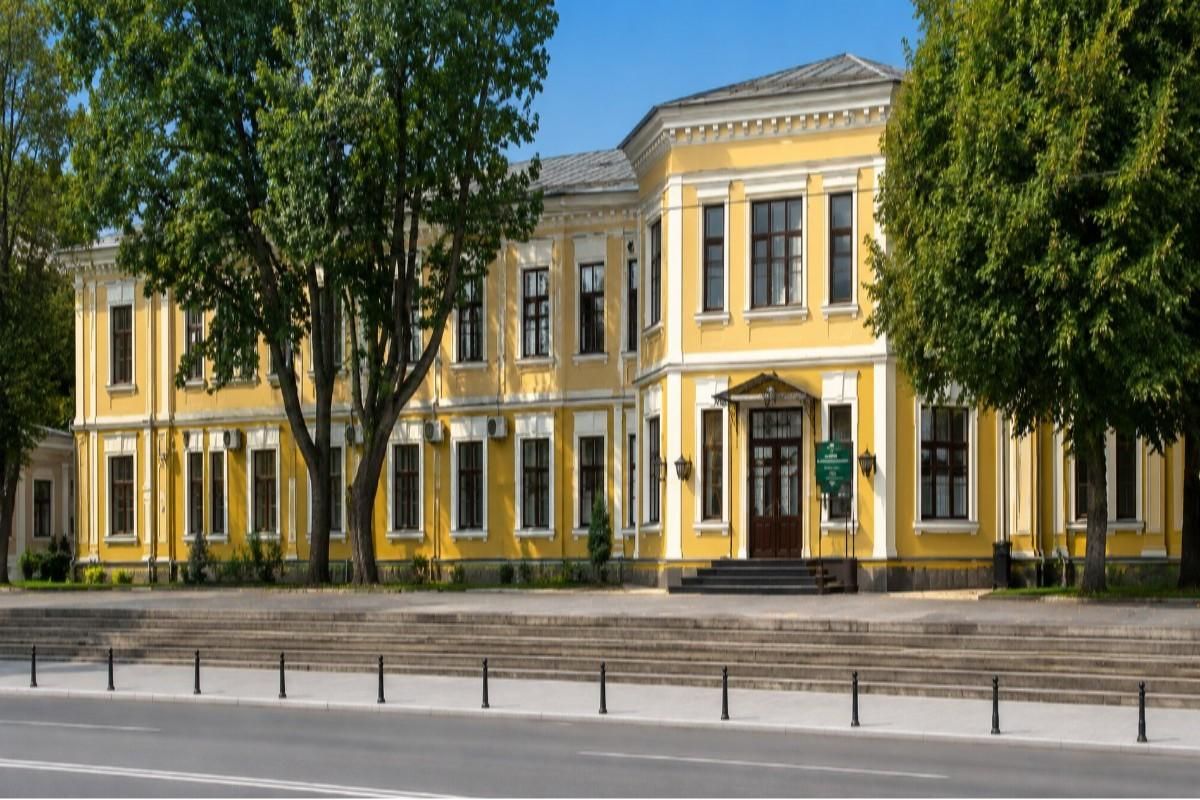 Partner
Explore fees, eligibility, and admission guidance for MBBS In Nicolae Testemițanu State University of Medicine and Pharmacy in Moldova.
Our team provides university-specific guidance and a full Moldova context briefing at every intake. Book a free counselling session →
The estimated total cost of MBBS in Moldova for Indian students may range from approximately ₹73 lakh to ₹1.01 crore for six years, depending on accommodation, food, insurance, travel and lifestyle. These figures are illustrative and exclude any separately required postgraduate internship or licensing training.
Students searching for the Best medical colleges in Moldova and Top medical colleges in Moldova should consider Nicolae Testemițanu State University of Medicine and Pharmacy in Chișinău. It offers a six-year integrated Medicine programme leading to the Doctor of Medicine qualification.
Moldova does not use India's NEET as a universal medical entrance examination. However, Indian students planning to return and practise medicine in India must satisfy the applicable NEET and NMC requirements.
Yes. Nicolae Testemițanu State University offers a six-year English-medium Medicine (MD) programme. Students should verify the teaching language used during lectures, examinations and clinical training, as Romanian may also be necessary for communication with patients.
Nicolae Testemițanu State University is listed in WDOMS. However, WDOMS inclusion does not mean WHO approval or guarantee NMC eligibility. Indian registration depends on the exact medical qualification, academic duration, internship, English-medium instruction and local professional licensing requirements.
Admission without IELTS may be possible if the university accepts another approved English proficiency qualification or a valid exemption. However, applicants must meet the current MBBS Abroad Language Requirements and demonstrate sufficient English proficiency for medical education.
Indian graduates may pursue medical registration after satisfying the applicable NMC Rules for MBBS Abroad 2026, including qualifying academic education, English-medium instruction, a separate foreign internship, local licensing entitlement, FMGE or another prescribed examination, and internship requirements in India. A Moldovan medical degree alone does not guarantee registration.